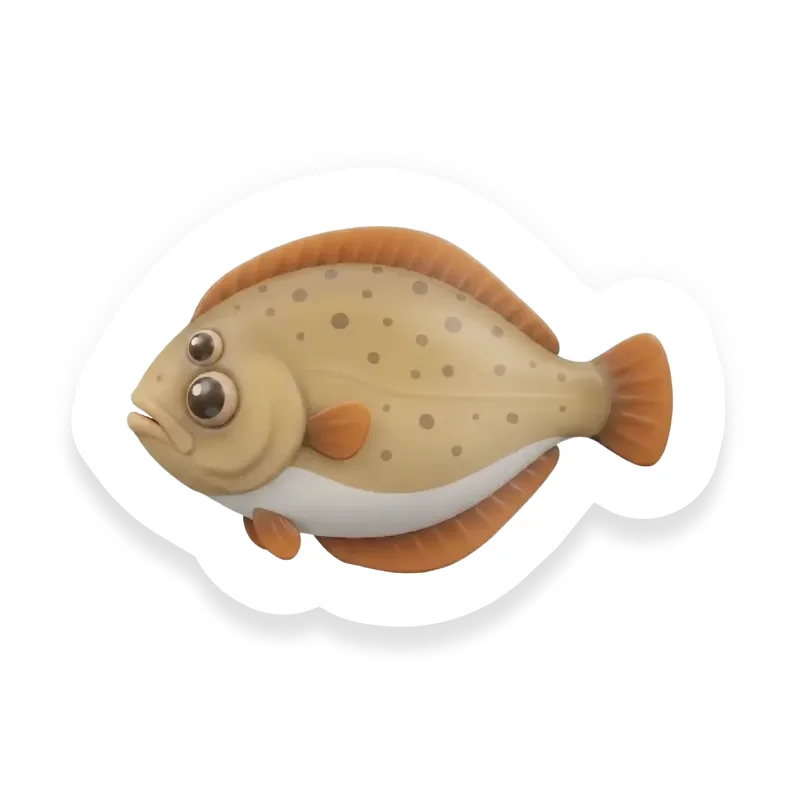
Halibut
Fish
Is Halibut Safe for Babies?
Yes, babies can eat cooked, unseasoned halibut starting at 6 months, but it should be offered in moderation due to mercury concerns.
Yes, but there are some things to know
At a Glance
Halibut can cause allergic reactions in people sensitive to finned fish because it contains proteins (like parvalbumin) that can trigger the immune system. It is also a lean, nutritious choice—rich in protein and omega-3 fatty acids—and provides vitamin B12 and selenium to support growth and heart and brain health.
How Do You Serve Halibut?
- 1Cook the halibut until opaque and it flakes easily; aim for an internal temperature of 145°F.
- 2Remove the skin and inspect the fillet closely, using your fingers or tweezers to find and remove any stray bones.
- 3Serve as strips about the width of two adult pinky fingers placed side-by-side, or flake and mix into soft, scoopable foods like grains or mashed potatoes for easier handling.
- 4Let the fish cool to warm or room temperature, offer small spoonfuls, and always supervise meals to reduce choking risk.
Is Halibut a Common Allergen?
Halibut is a finned fish and can trigger fish allergy; people with a fish allergy should avoid halibut. Cross-reactivity among finned fish is common, so many allergists recommend avoiding other fish unless testing or supervised challenges say otherwise. Fish allergies can cause severe reactions (hives, swelling, breathing trouble, anaphylaxis), so be vigilant and tell food handlers to avoid cross-contact. If your child has a known fish allergy, carry prescribed emergency medication and consult an allergist for individualized advice.
What Nutrients Does Halibut Have?
Halibut is a nutrient-dense choice for babies, providing high-quality protein, B vitamins (for energy and growth), vitamin D (for bone and immune development), selenium (antioxidant and liver support), and omega‑3 fatty acids (important for brain and eye development). These nutrients support rapid growth and neurodevelopment, but because halibut has moderate mercury levels, offer small portions and limit fish overall to about once or twice weekly—rotate with lower‑mercury options. Introduce halibut in small amounts when starting solids and continue regular exposure only if tolerated.
Is Halibut a Choking Hazard?
Very Low Choking Risk
Halibut itself isn’t a common choking hazard, but fish bones can be dangerous—carefully remove any bones and stay close and attentive during mealtimes. Be aware that flaky textures can conceal small bones or pieces, and watch for signs of gagging or choking. If you’re worried, consult your pediatrician and make sure you know infant choking first aid/CPR.
Have More Questions?
Yes, babies can eat halibut starting at around 6 months, but due to its moderate mercury levels, it should be offered in moderation and not too frequently.
Yes, halibut is generally healthy for babies when prepared properly and offered in moderation, providing essential nutrients for growth and development.
No, halibut is not a common choking hazard if bones are removed; the main concern is to ensure all bones are carefully taken out before serving.
Yes, halibut is a known fish allergen, and some babies may be allergic. Always introduce with caution, observing for any allergic reactions.
It depends. To store halibut for later use, keep it refrigerated and consume within 1-2 days, or freeze it if you plan to store it longer, for up to 3 months.
Is Halibut safe for your baby?
Get personalized guidance on introducing Halibut — with prep tips, allergen alerts, and age-specific serving ideas.
Sources
- U.S. Food & Drug Administration — Advice about Eating Fish (2019) fda.gov
- U.S. Food & Drug Administration — Mercury Levels in Commercial Fish and Shellfish (1990-2012) fda.gov
- Bose-O’Reilly et al. (2010) — Mercury Exposure and Children’s Health doi.org
- Alaska Department of Fish & Game — Pacific Halibut adfg.alaska.gov
- Storelli et al. (2007) — Mercury in fish doi.org
- United States Environmental Protection Agency — Basic Information about Mercury epa.gov
- Harvard T.H. Chan School of Public Health — Seafood and Fish hsph.harvard.edu
- Rice et al. (2014) — Environmental mercury and its toxic effects doi.org
- HealthyChildren.org — Healthy Fish Choices for Kids healthychildren.org
- Food Allergy Research & Education — Fish Allergy foodallergy.org
- Tsabouri et al. (2012) — Fish and shellfish allergy in children doi.org
- Moonesinghe et al. (2016) — Prevalence of fish and shellfish allergy doi.org
- Crespo et al. (1995) — Sensitization to inhalant allergens doi.org
- James & Crespo (2007) — Allergic reactions to foods by inhalation doi.org
- U.S. Food & Drug Administration — Scombrotoxin poisoning and decomposition (2017) fda.gov
What Other Fish Can Babies Eat?
See all →
Backed by Science
Data you can trust.
Every food, guideline, and recommendation in Tummi is sourced from leading health institutions and peer-reviewed research.
 Centers for Disease Control and Prevention
Developmental milestones, nutrition guidelines, and allergen introduction timelines.
 American Academy of Pediatrics
Evidence-based feeding recommendations from the leading pediatric authority.
 National Institutes of Health
Peer-reviewed research on infant nutrition, allergies, and food safety.