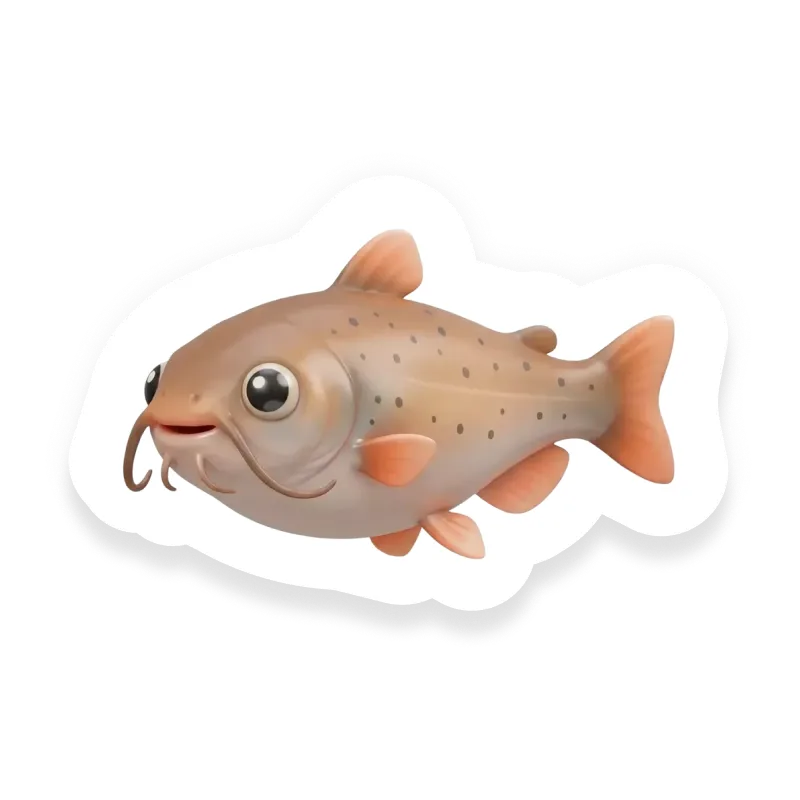
Catfish
Fish
Is Catfish Safe for Babies?
Yes, babies can eat cooked, boneless, and skinless catfish from around 6 months, when they start solids.
Yes, but there are some things to know
At a Glance
Catfish can cause allergic reactions in some people because its muscle proteins (such as parvalbumin) can trigger the immune system. It is also a good lean protein source and provides omega-3 fatty acids and vitamin B12 that help heart and brain health.
How Do You Serve Catfish?
- 1Slice a thin, deboned fillet roughly the width of two adult pinky fingers side-by-side so it's easy to grasp.
- 2Remove the skin and all bones by running your finger along the fillet; use clean tweezers to pull out any small bones.
- 3Cook thoroughly until the flesh is soft and flakes easily, then serve as small flakes in a suction bowl or as short, easy-to-hold strips sized so the child can bring them to the mouth without choking risk.
- 4Offer modest portions for first meals, check the temperature, avoid added salt or honey, and watch closely for any allergic reaction.
Is Catfish a Common Allergen?
Catfish contains fish allergens (the major allergen parvalbumin) and can trigger reactions in people with fish allergy. People allergic to one finned fish commonly react to others, so those with a fish allergy should avoid all fish (including catfish) and be cautious about cross-contact and cooking vapors. Check labels and discuss concerns with your child's allergist for personalized guidance.
What Nutrients Does Catfish Have?
Catfish is a lean, easily digested source of high-quality protein and supplies key nutrients for babies—notably vitamin B12 (for brain and blood development), selenium (an antioxidant), and modest amounts of omega‑3 fatty acids—though it contains less DHA than fatty fish like salmon. It is not a significant source of iron. Choosing North American channel (farmed or properly sourced wild) catfish generally keeps mercury exposure low, but avoid large/long‑lived catfish and limit frequency per local guidance. Because finned fish are common allergens, introduce catfish in small amounts, watch for reactions, and diversify fish choices for broader nutrient intake.
Is Catfish a Choking Hazard?
Very Low Choking Risk
Catfish flesh is generally not a major choking hazard, but small bones can be dangerous—carefully check for and remove any bones before offering it to your baby. Always supervise your baby during meals and be aware that gagging is common as they learn new textures; know basic infant choking first aid and have an emergency plan. If you’re unsure about bones or texture, consult your pediatrician.
Have More Questions?
Yes. When cooked thoroughly and served in small, manageable pieces, catfish can be a safe and healthy protein option for babies starting at around 6 months.
It depends. The health benefits of catfish come from North American farm-raised or Chesapeake Bay catch; always ensure it is sourced responsibly to avoid contaminants.
Yes. Fish bones are a choking hazard, so they must be carefully removed, and the fish should be cut into age-appropriate pieces before feeding your baby.
It depends. Some babies may have a fish allergy, so consult with your pediatrician beforehand and introduce fish gradually while monitoring for reactions.
Yes. You can store cooked catfish in the refrigerator for up to 3 days or freeze portions for longer storage, making it convenient for future meals.
Is Catfish safe for your baby?
Get personalized guidance on introducing Catfish — with prep tips, allergen alerts, and age-specific serving ideas.
Sources
- Hunt for the big fish becomes a race - The New York Times nytimes.com
- What's the dish on farm-raised catfish? - Grist grist.org
- Mercury Levels in Commercial Fish and Shellfish (1990-2012) - FDA fda.gov
- The great catfish war rages on - The World (PRX) theworld.org
- Catfish - Monterey Bay Aquarium Seafood Watch seafoodwatch.org
- Fish: A Top 9 Food Allergen - Food Allergy & Anaphylaxis Connection Team (FAACT) foodallergyawareness.org
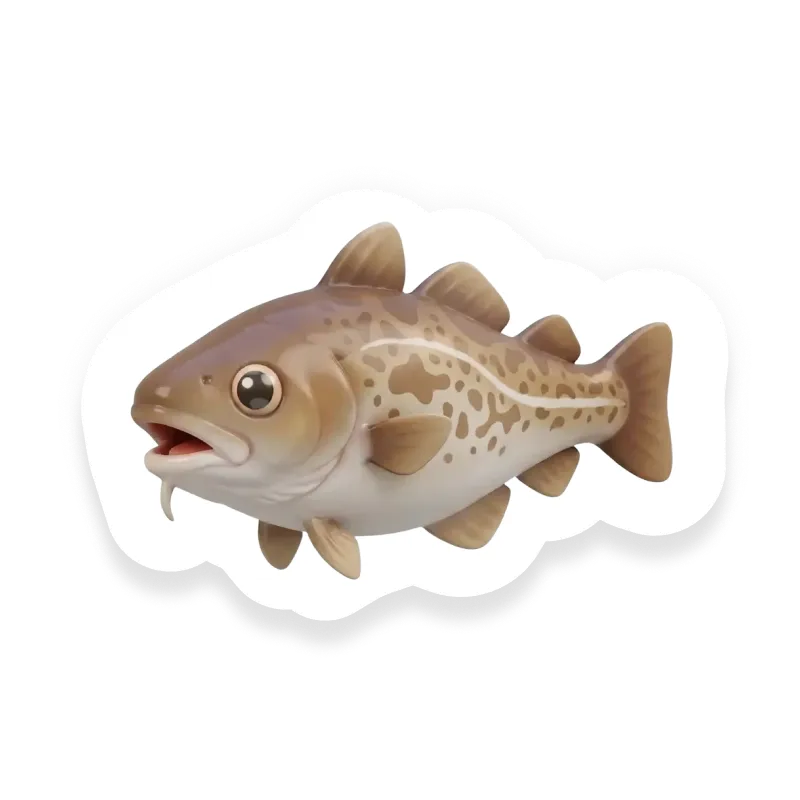
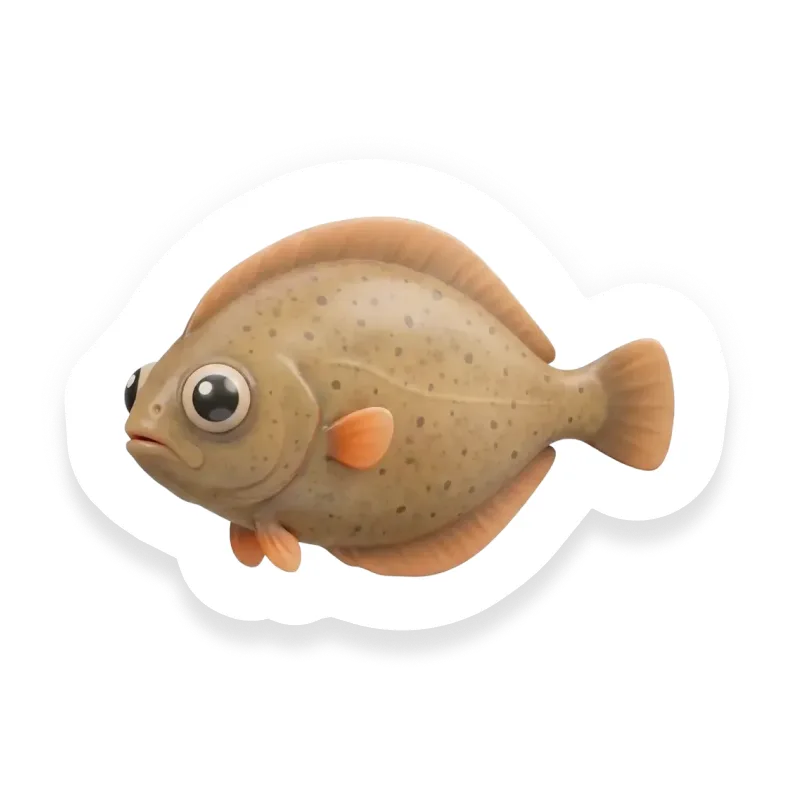
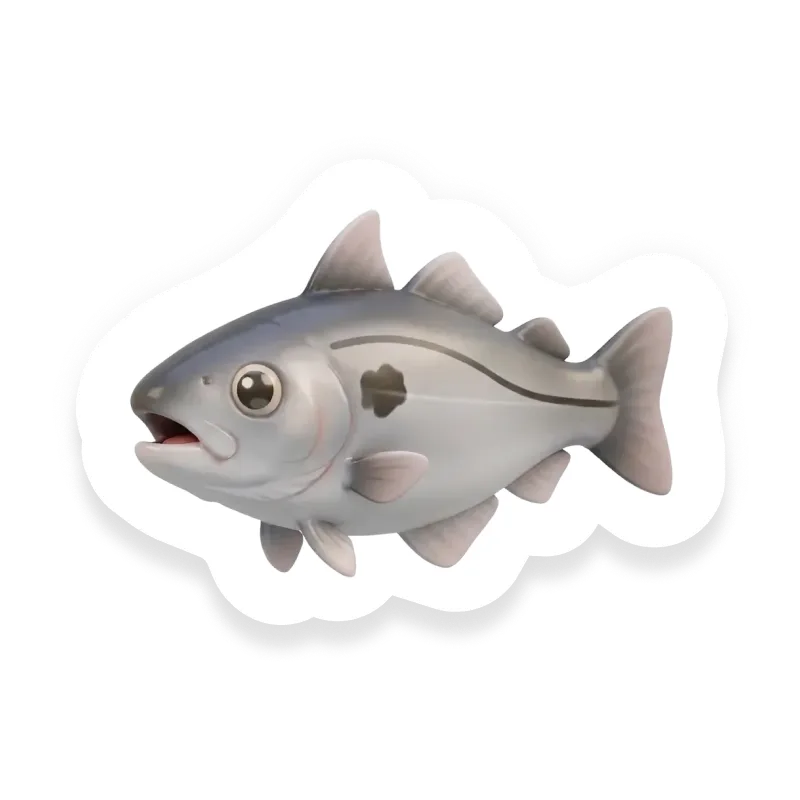
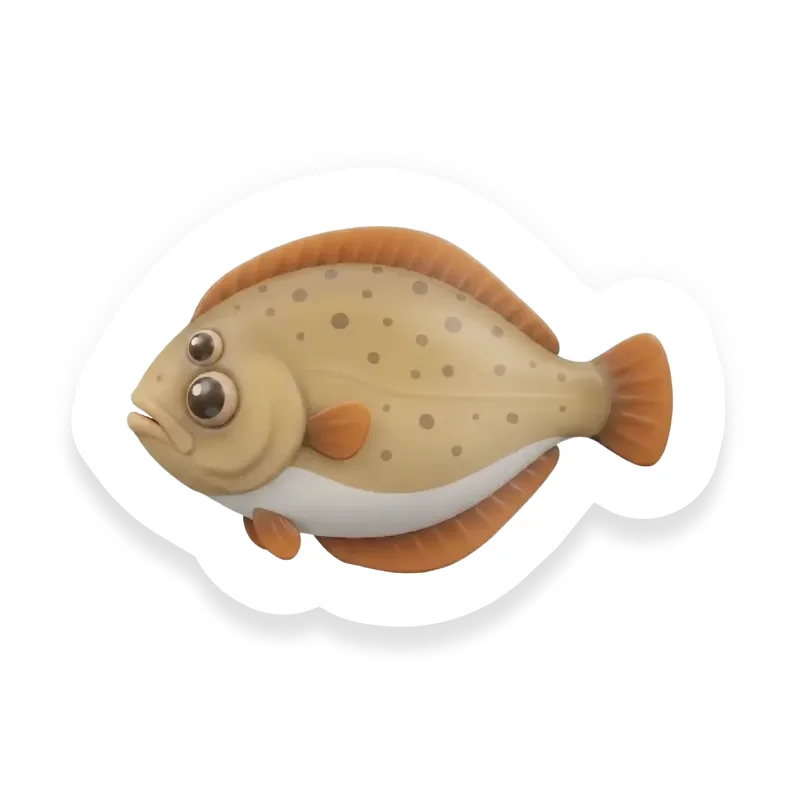
What Other Fish Can Babies Eat?
See all →
Backed by Science
Data you can trust.
Every food, guideline, and recommendation in Tummi is sourced from leading health institutions and peer-reviewed research.
 Centers for Disease Control and Prevention
Developmental milestones, nutrition guidelines, and allergen introduction timelines.
 American Academy of Pediatrics
Evidence-based feeding recommendations from the leading pediatric authority.
 National Institutes of Health
Peer-reviewed research on infant nutrition, allergies, and food safety.