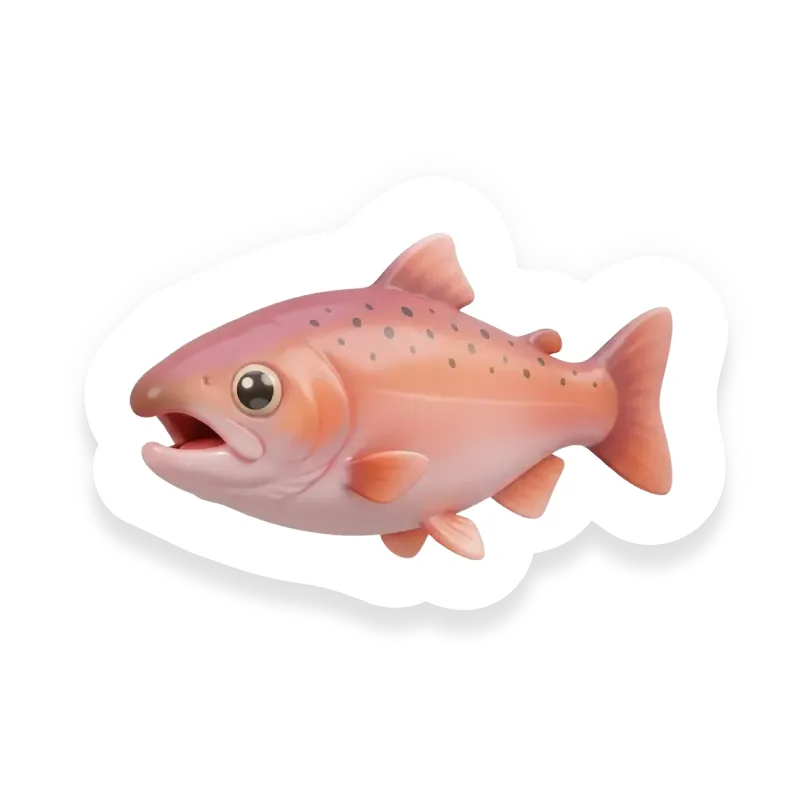
Salmon
Fish
Is Salmon Safe for Babies?
Yes, babies can eat salmon beginning around 6 months of age when solids are introduced, as it is low in mercury and rich in nutrients.
Yes, but there are some things to know
At a Glance
Salmon is a good heme iron source and the iron it provides is easier for the body to absorb than iron from plants. It also contains vitamin B12 and protein, which help the body use iron and make red blood cells.
Some people can have allergic reactions to salmon because fish proteins such as parvalbumin can trigger the immune system. Salmon is also rich in omega-3 fatty acids and vitamin D, plus lean protein that help heart and brain health.
How Do You Serve Salmon?
- 1Remove all bones and skin and cook the salmon until opaque and easily flakes; cut into strips about the width of two adult fingers pressed together or flake into small, soft pieces.
- 2Mix flaked salmon into scoopable foods like mashed potato, yogurt, porridge, or soft pasta so pieces stay moist and are easy to gum.
- 3For canned salmon, drain well and stir into soft foods; check for any firm bone fragments and remove them.
- 4Very soft salmon cakes are acceptable if not crusty—break them into pieces larger than the baby’s mouth and ensure they’re easy to gum.
- 5Always supervise feedings, avoid added salt, sugar, or honey, and introduce new foods one at a time while watching for allergic reactions.
Is Salmon a Common Allergen?
Salmon is a common fish allergen — if your child has a fish allergy, avoid salmon and other finned fish, since reactions can be severe (including anaphylaxis). Be alert for cross-contact (shared utensils, grills, or processing lines) that can trigger reactions from trace amounts. Watch for choking hazards like bones and check with your pediatrician or an allergist before introducing or reintroducing fish. Seek medical advice promptly if you suspect an allergic reaction.
What Nutrients Does Salmon Have?
Salmon is an excellent source of high-quality protein and long-chain omega-3s (DHA) that support baby brain and eye development; it also provides heme iron, vitamin D, B12, iodine, selenium, zinc, potassium, and (especially in canned salmon with bones) calcium. These nutrients support neurodevelopment, growth, immunity, and bone health. Because salmon is generally low in mercury it can be offered a few times per week, but avoid raw or cold‑smoked products, limit high‑sodium smoked/canned varieties, and be mindful of possible finned‑fish allergy or environmental contaminants in some farmed/wild sources.
Is Salmon a Choking Hazard?
Low Choking Risk
Bones in freshly cooked salmon are a choking hazard if not fully removed, so thoroughly check for and discard any bones or tiny fragments before offering fish. Always supervise closely and stay within arm's reach during meals so you can intervene quickly if your baby gags or chokes. Familiarize yourself with the signs of choking versus gagging and review infant choking first aid so you’re prepared to act if needed.
Have More Questions?
Yes. Salmon can be stored in the refrigerator for up to 2 days after opening or cooking. For longer storage, freezing is recommended, ideally in airtight containers or freezer bags.
Yes. Freezing pureed salmon can help extend its shelf life; ensure it is in airtight containers or freezer bags and use within 2-3 months for best quality.
Yes. Organic salmon is free from synthetic pesticides and fertilizers, but both organic and conventional salmon are nutritious options for babies. Choose based on your preference and availability.
Yes. Combining salmon with vegetables or grains can provide a more balanced meal, offering different nutrients and flavors to help your baby develop eating preferences.
For babies, a typical portion size of cooked salmon is about 1-2 ounces per meal, depending on their age and appetite. Always feed in small, manageable amounts.
Is Salmon safe for your baby?
Get personalized guidance on introducing Salmon — with prep tips, allergen alerts, and age-specific serving ideas.
Sources
- Environmental Defense Fund — EDF Seafood Selector: Salmon edf.org
- U.S. Food & Drug Administration — Advice About Eating Fish (July 2019) fda.gov
- Kuratko C. et al. (2013). The Relationship of DHA with Learning and Behavior — Nutrients doi.org
- Monterey Bay Aquarium Seafood Watch — Salmon seafoodwatch.org
- Rice K. et al. (2014). Environmental Mercury and Its Toxic Effects — Journal of Preventive Medicine and Public Health jpmph.org
- Food Allergy Research & Education (FARE) — Fish Allergy foodallergy.org
- Tong WS et al. (2018). Diagnosis of Fish and Shellfish Allergies — Journal of Asthma and Allergy (PMC) pmc.ncbi.nlm.nih.gov
- Tsabouri S. et al. (2012). Fish and Shellfish Allergy in Children — Pediatric Allergy and Immunology onlinelibrary.wiley.com
- Moonesinghe H. et al. (2016). Prevalence of Fish and Shellfish Allergy — Ann Allergy Asthma Immunol doi.org
- U.S. Food & Drug Administration — Scombrotoxin Poisoning and Decomposition (2017) fda.gov
- Vermeulen RT et al. (1983). Effect of Water Rinsing on Sodium Content — Journal of the American Dietetic Association (PubMed) pubmed.ncbi.nlm.nih.gov
- Jensen IJ et al. (2020). An Update on Fatty Acids, Dioxins, PCBs and Heavy Metals in Atlantic Salmon — Foods mdpi.com
- Sprague M., Dick J. & Tocher D. (2016). Impact of Sustainable Feeds on Omega-3 Levels in Farmed Atlantic Salmon — Scientific Reports nature.com
- Centers for Disease Control and Prevention — Vibrio cdc.gov
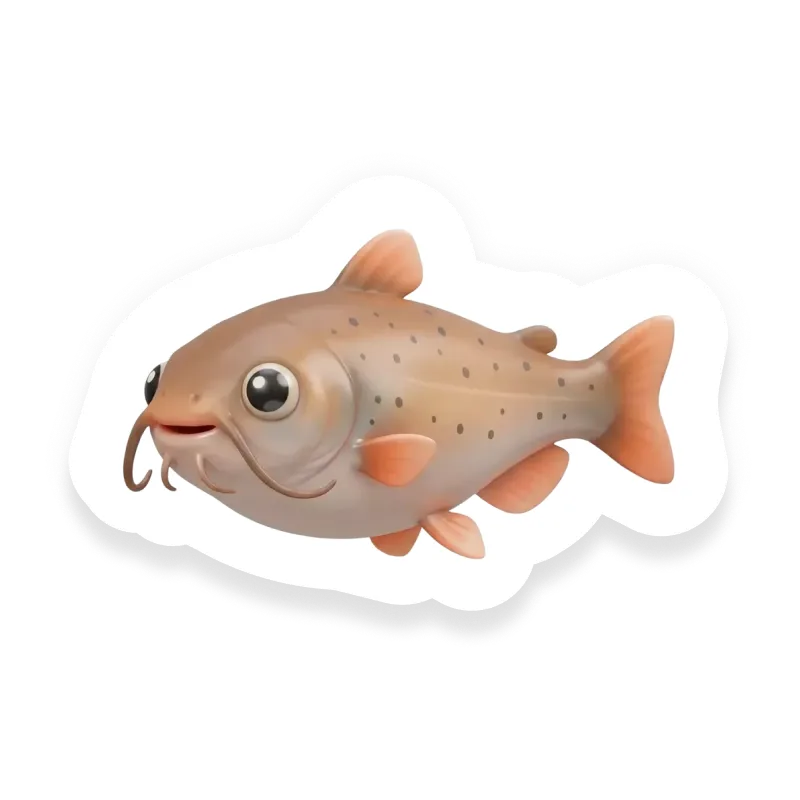
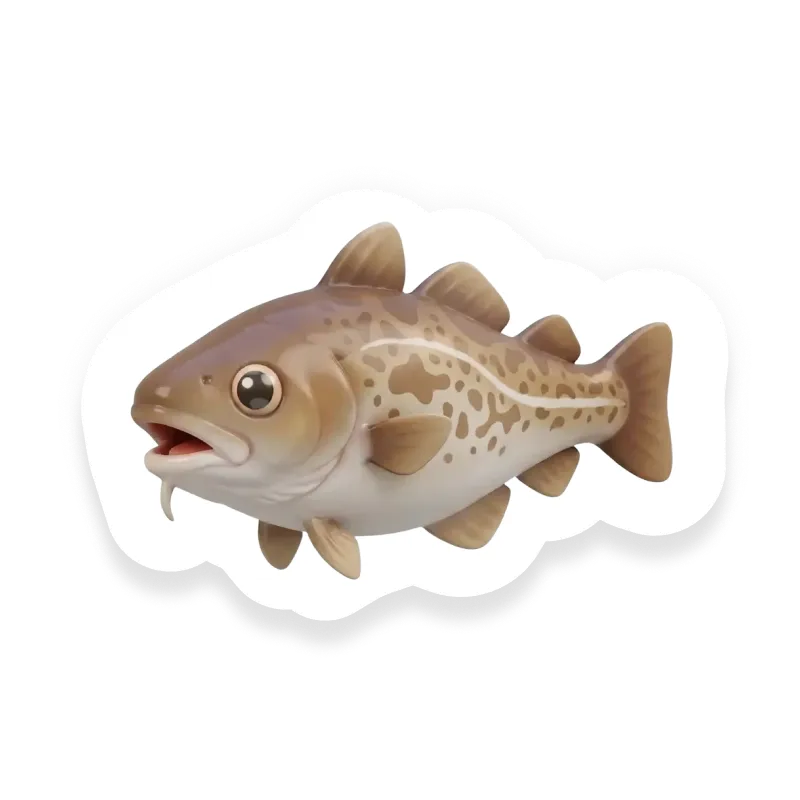
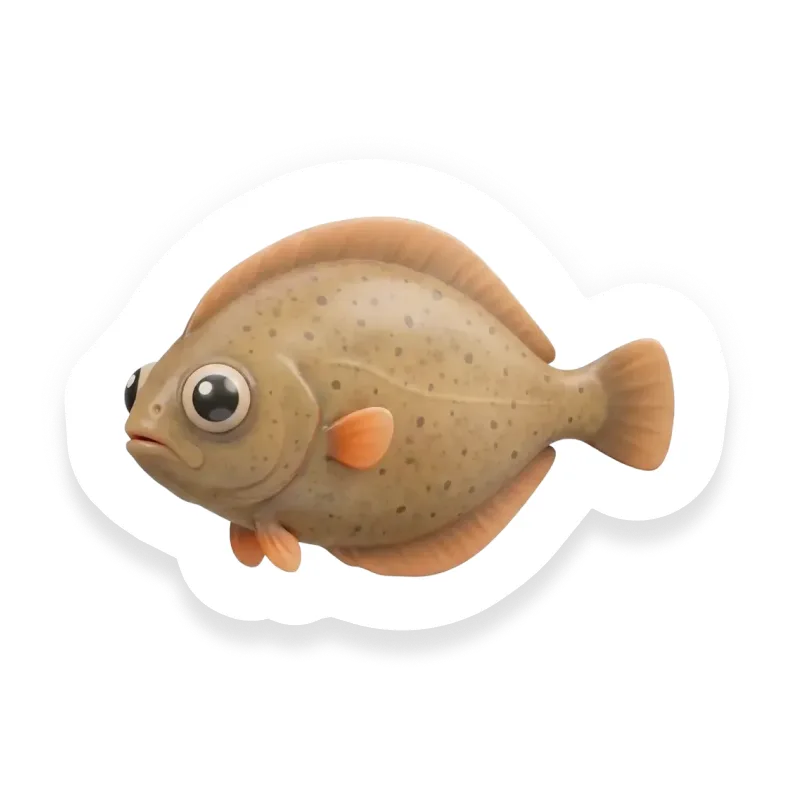
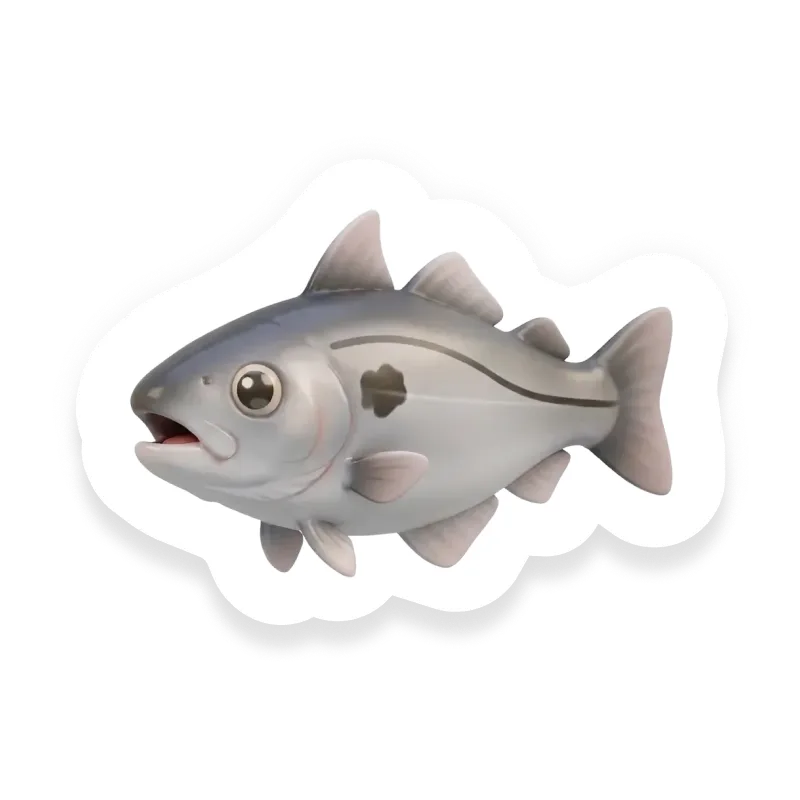
What Other Fish Can Babies Eat?
See all →
Backed by Science
Data you can trust.
Every food, guideline, and recommendation in Tummi is sourced from leading health institutions and peer-reviewed research.
 Centers for Disease Control and Prevention
Developmental milestones, nutrition guidelines, and allergen introduction timelines.
 American Academy of Pediatrics
Evidence-based feeding recommendations from the leading pediatric authority.
 National Institutes of Health
Peer-reviewed research on infant nutrition, allergies, and food safety.