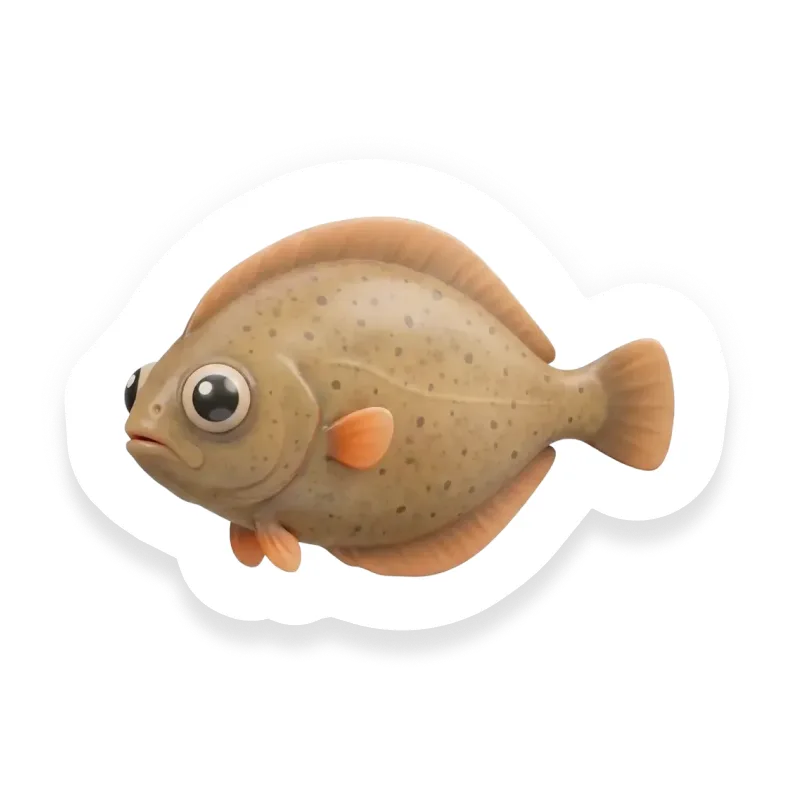
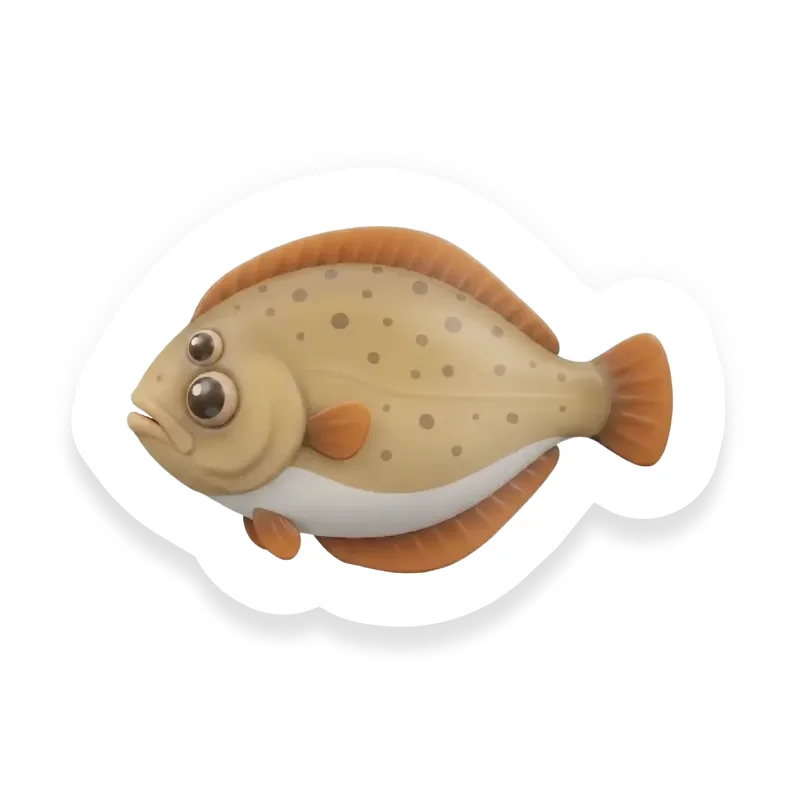
Flounder
Fish
Is Flounder Safe for Babies?
Yes, cooked flounder can be introduced around 6 months of age as part of a balanced diet, ensuring it is fully cooked and bones are removed.
Yes, but there are some things to know
At a Glance
Flounder can cause allergic reactions in sensitive people because it contains a strong fish protein called parvalbumin. It is also a healthy choice, being rich in omega-3s and lean protein that support heart and brain health.
How Do You Serve Flounder?
- 1Fully cook flounder until it is opaque and flakes easily, remove all skin and bones, and check for bones by sight and touch.
- 2Serve the deboned fish as soft strips about the width and length of two adult fingers pressed together so the baby can grasp and gum them safely.
- 3Offer plain as a finger food, mix into mashed vegetables, or form soft (not crispy) fish cakes that are larger than the baby’s mouth and easily mashed with gums.
- 4Avoid high‑sodium dried or powdered flounder; if using flounder-flavored broth, choose low-sodium versions or dilute higher-sodium products and serve only a small amount in an open cup.
- 5When introducing flounder for the first time, offer a small portion and watch for any allergic reaction for 2–3 days.
Is Flounder a Common Allergen?
Flounder is a finned fish and a known allergen—anyone with a fish allergy should avoid it entirely. Fish proteins can cause severe reactions, including anaphylaxis, so even small amounts or cross-contact (shared utensils, fryers) can be risky. Check ingredient labels and prepared foods (stocks, sauces like Worcestershire or fish sauce) for fish-derived ingredients. Follow your clinician’s advice and carry/know how to use epinephrine if prescribed.
What Nutrients Does Flounder Have?
Flounder is a lean, low‑mercury white fish rich in high‑quality protein and provides omega‑3 fatty acids plus key micronutrients for infants — notably vitamin B12, choline, selenium, and vitamin D — which support growth, brain and immune development, and bone health. Because flounder is relatively low in mercury it can be offered around 6 months and included a couple times per week as part of a varied diet. Watch for finned‑fish allergy (introduce in small amounts and monitor) and avoid smoked/salted/dried flounder due to high sodium; rotating fish types helps diversify nutrients and limits contaminant exposure.
Is Flounder a Choking Hazard?
Very Low Choking Risk
Flounder itself isn't typically a choking hazard, but bones in fresh or cooked fish can be—carefully remove any bones and bone fragments before offering. Always supervise your baby at mealtime within arm’s reach and keep the eating area calm and seated so you can respond quickly if gagging or choking occurs. It’s also helpful to know infant choking first aid/CPR in case of emergency.
Have More Questions?
Yes. You can refrigerate cooked flounder for up to 2 days in an airtight container. For longer storage, freezing cooked flounder is safe for up to 3 months.
Yes. Freezing pureed flounder is a common way to prepare meals in advance. Use airtight containers or bags, and freeze for up to 3 months for best quality.
Yes. Organic flounder is available and can be a good choice, but conventional options are generally safe if fresh and properly handled, as both are low in contaminants when sourced from reputable suppliers.
It depends. Combining flounder with vegetables or grains can introduce a variety of flavors and nutrients, but always introduce new foods one at a time to monitor for reactions.
It depends. Typical portion sizes for babies are about 1 to 2 ounces of cooked fish per serving, depending on your child's age and appetite, as part of a balanced meal.
Is Flounder safe for your baby?
Get personalized guidance on introducing Flounder — with prep tips, allergen alerts, and age-specific serving ideas.
Sources
- Environmental Defense Fund — Flounder/Sole (EDF Seafood Selector) edf.org
- U.S. Food & Drug Administration — Advice about Eating Fish (2019) fda.gov
- U.S. Food & Drug Administration — Scombrotoxin poisoning and decomposition (2017) fda.gov
- Food Allergy Research & Education — Fish Allergy foodallergy.org
- Tsabouri et al. (2012) — Pediatric Allergy and Immunology doi.org
- Moonesinghe et al. (2016) — Annals of Allergy, Asthma & Immunology doi.org
- Zhu et al. (2015) — Scientific Reports doi.org
- Azad et al. (2018) — BioMed Research International doi.org
- Centers for Disease Control and Prevention — Vibrio cdc.gov
What Other Fish Can Babies Eat?
See all →

Backed by Science
Data you can trust.
Every food, guideline, and recommendation in Tummi is sourced from leading health institutions and peer-reviewed research.
 Centers for Disease Control and Prevention
Developmental milestones, nutrition guidelines, and allergen introduction timelines.
 American Academy of Pediatrics
Evidence-based feeding recommendations from the leading pediatric authority.
 National Institutes of Health
Peer-reviewed research on infant nutrition, allergies, and food safety.