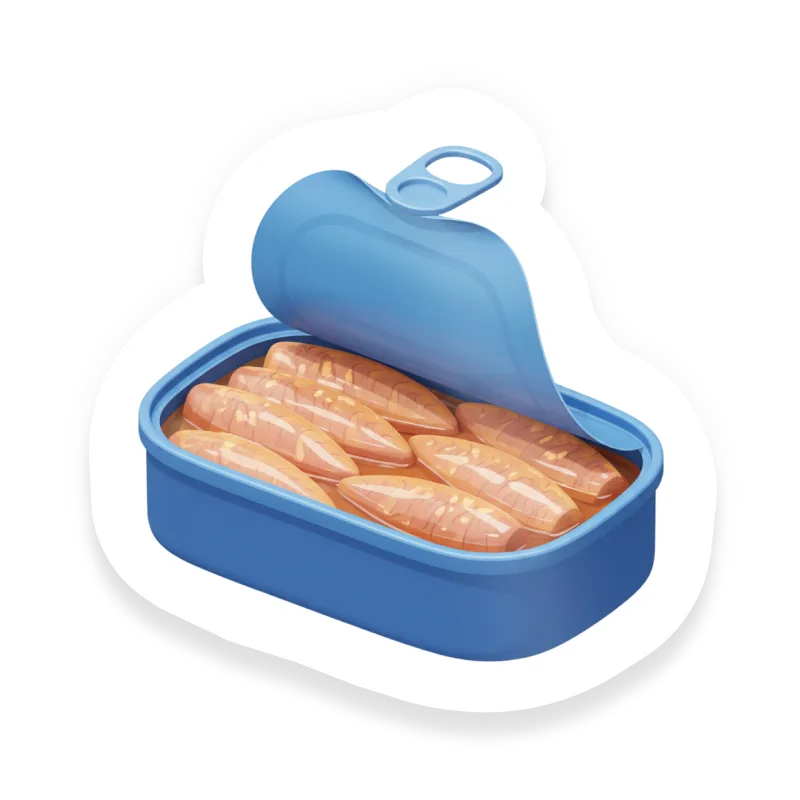
Sardines
Fish
Is Sardines Safe for Babies?
Yes, well-cooked sardines can be introduced around 6 months of age when your baby is ready for solids, as they are low in mercury and allergen-free.
Yes, but there are some things to know
At a Glance
Sardines are rich in iron, which helps carry oxygen in the blood. They also contain omega-3 fatty acids and vitamin D to support heart and bone health.
Sardines can cause allergic reactions in people with fish sensitivities, sometimes producing hives, breathing trouble, or stomach upset. They are also nutritious, being rich in omega-3 and high in calcium, and they provide vitamin D to support heart and bone health.
How Do You Serve Sardines?
- 1Offer fully cooked sardine fillets or canned sardines — canned bones are softened by canning and are generally easier to mash.
- 2Flake or mash the fish to a soft, lump-free texture and mix with soft vegetables, cooked grains, or yogurt so the baby can scoop or self-feed.
- 3Check for and remove any large bones or hard bits. Canned bones are usually soft and edible, but inspect to be safe.
- 4Keep added salt minimal, serve at lukewarm temperature, offer small manageable pieces, and always supervise while feeding.
Is Sardines a Common Allergen?
Sardines are a common fish allergen — people allergic to one fish often react to others because of shared proteins (eg, parvalbumin). Sardines can also cause scombroid (histamine) poisoning if poorly stored, which can mimic an allergic reaction. Check labels on canned or prepared sardines for added ingredients (mustard, soy, sesame, etc.) that could be allergens. For infants and young children remove small bones and flake fish finely to reduce choking risk.
What Nutrients Does Sardines Have?
Sardines are nutrient-dense for babies—providing high-quality protein, DHA/EPA omega‑3s for brain and eye development, and vitamin D plus calcium (especially when canned with bones) to support bone growth. They also supply vitamin B12, iron, selenium, zinc and choline, which aid blood, immune and neurological development. Sardines are low in mercury compared with larger fish, but canned varieties can be high in sodium—choose low‑salt options and offer sardines a few times weekly rather than daily.
Is Sardines a Choking Hazard?
Low Choking Risk
Sardines generally present a low choking risk for babies when bones and skin are removed or when using canned sardines (whose bones are softened by canning), but any food can pose a choking hazard. Freshly cooked fish may contain hard bones that can get stuck, so check carefully and remove any you find. Always supervise your baby closely during meals and keep them seated upright and within arm’s reach.
Have More Questions?
Yes. To store baby sardines safely, keep them refrigerated in an airtight container and consume within 1-2 days if homemade, or follow the expiration date on canned products.
Yes. You can freeze homemade sardine purees in small portions for up to 1-2 months, ensuring they are in airtight containers or freezer bags to prevent freezer burn.
Yes. For babies, choosing organic sardines may reduce exposure to pesticides and contaminants, but conventional sardines are also safe and nutritious when sourced from reputable suppliers.
Yes. When combining sardines with other foods, ensure they are properly cooked and mashed to appropriate textures for your baby's age while avoiding allergenic combinations initially.
It depends on your baby's age and developmental stage. Start with small portions, about 1-2 teaspoons for younger babies, and gradually increase as tolerated, monitoring for any reactions.
Is Sardines safe for your baby?
Get personalized guidance on introducing Sardines — with prep tips, allergen alerts, and age-specific serving ideas.
Sources
- Advice About Eating Fish (FDA) — Questions & Answers fda.gov
- Avoidance of added salt for 6–12-month-old infants: A narrative review (Yang & Wang, 2023) pubmed.ncbi.nlm.nih.gov
- Infants' and Children's Salt Taste Perception and Liking: A Review (Liem, 2017) mdpi.com
- Sodium: Too Much of a Good Thing (National Capital Poison Center) poison.org
- Does salt intake in the first two years of life affect the development of cardiovascular disorders in adulthood? (Strazzullo et al., 2012) pubmed.ncbi.nlm.nih.gov
- Fish — Food Allergy Research & Education (FARE) foodallergy.org
- Diagnosis of fish and shellfish allergies (Tong et al., 2018) ncbi.nlm.nih.gov
- Fish and shellfish allergy in children: Review (Tsabouri et al., 2012) pubmed.ncbi.nlm.nih.gov
- Prevalence of fish and shellfish allergy: A systematic review (Moonesinghe et al., 2016) pubmed.ncbi.nlm.nih.gov
- Fish: A Top 9 Food Allergen — Food Allergy & Anaphylaxis Connection Team (FAACT) foodallergyawareness.org
- Sensitization to inhalant allergens in children diagnosed with food hypersensitivity (Crespo et al., 1995) pubmed.ncbi.nlm.nih.gov
- Allergic reactions to foods by inhalation (James & Crespo, 2007) pubmed.ncbi.nlm.nih.gov
- Scombrotoxin Poisoning and Decomposition (U.S. FDA, 2017) fda.gov
- Mercury Levels in Commercial Fish and Shellfish (FDA monitoring data, 1990–2012) fda.gov
- Arsenic (CDC/NIOSH, 2017) cdc.gov
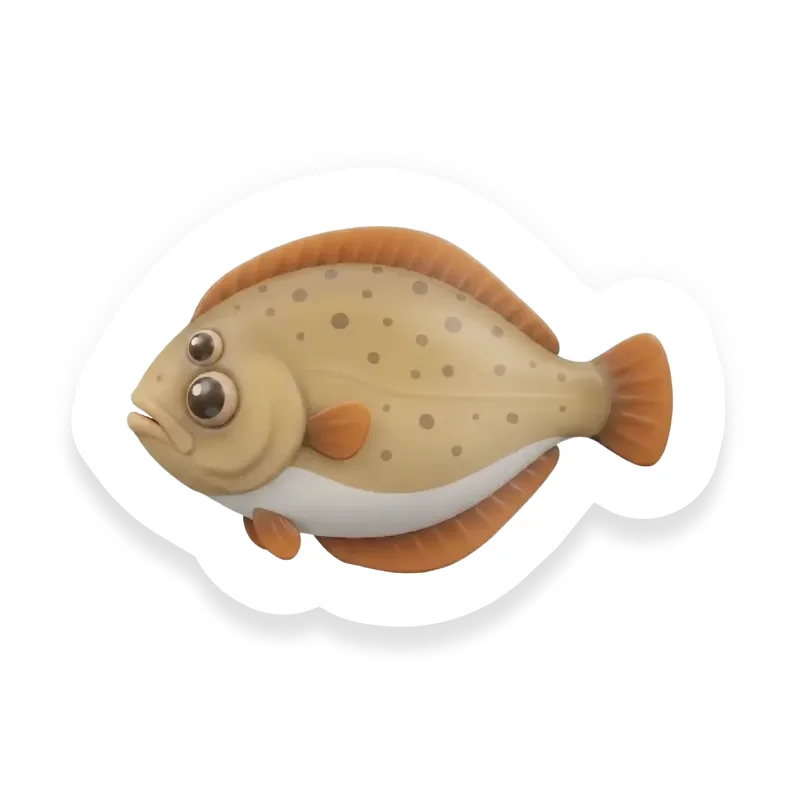
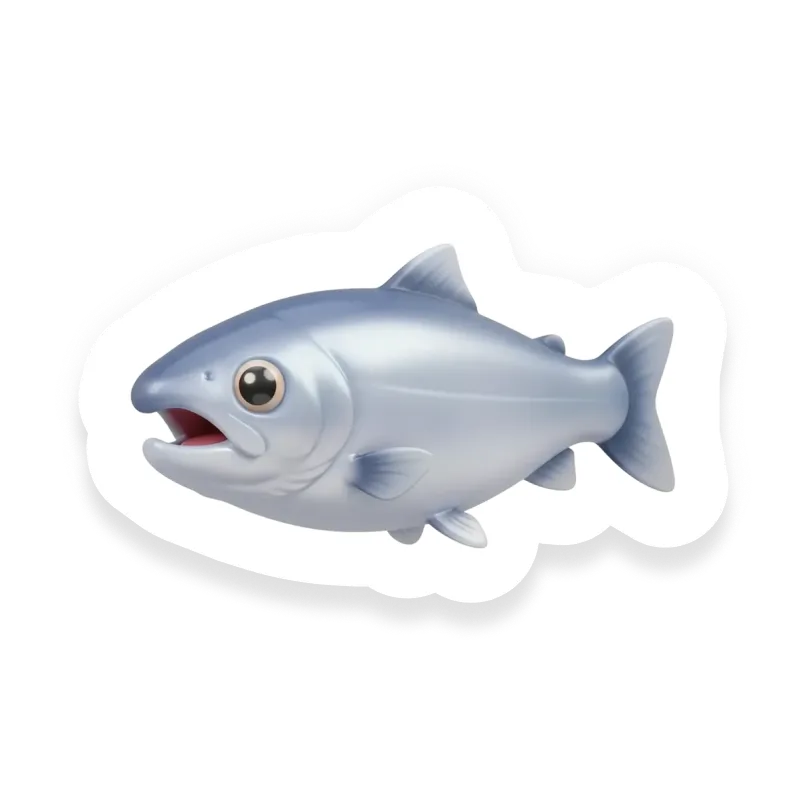
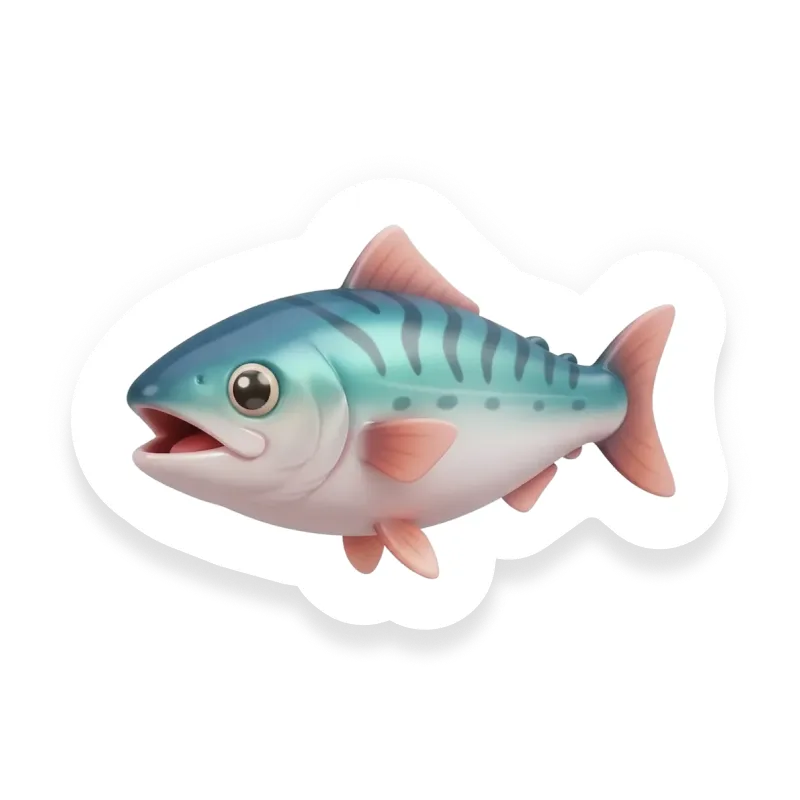
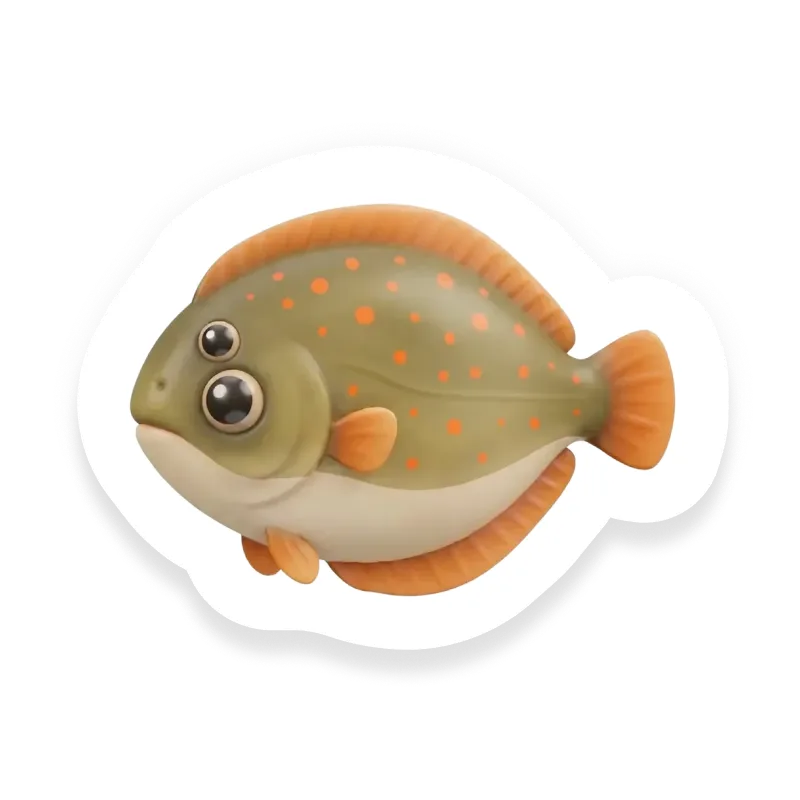
What Other Fish Can Babies Eat?
See all →
Backed by Science
Data you can trust.
Every food, guideline, and recommendation in Tummi is sourced from leading health institutions and peer-reviewed research.
 Centers for Disease Control and Prevention
Developmental milestones, nutrition guidelines, and allergen introduction timelines.
 American Academy of Pediatrics
Evidence-based feeding recommendations from the leading pediatric authority.
 National Institutes of Health
Peer-reviewed research on infant nutrition, allergies, and food safety.