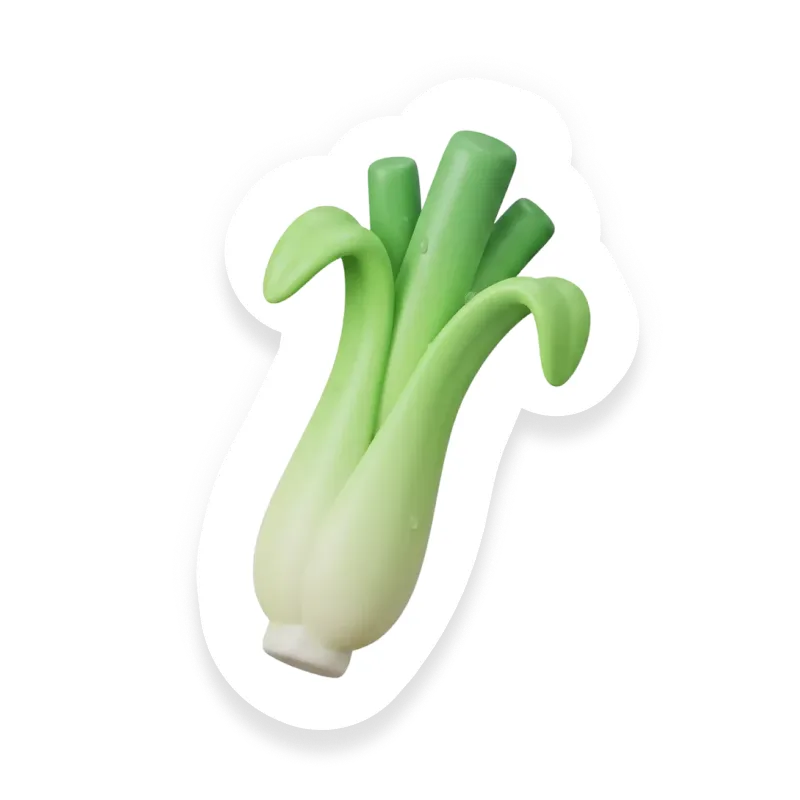
Lemongrass
Herb/Spice
Is Lemongrass Safe for Babies?
Yes, lemongrass can be introduced around 6 months of age when your baby is ready for solids, using the stems in cooked dishes or teas.
Yes, but there are some things to know
How Do You Serve Lemongrass?
- 1Use lemongrass to flavor sauces, soups, or stews by bruising a stalk or adding powdered lemongrass and simmering to infuse the dish.
- 2If using a stalk, peel away fibrous outer layers and finely mince, grate, or pound into a paste so pieces are soft and unnoticeable.
- 3Before serving, remove large pieces and strain or sieve the liquid to catch any tough fibers; this reduces choking risk and keeps texture smooth.
- 4Start with a small amount to check tolerance, watch for any reaction, and always supervise during meals.
Is Lemongrass a Common Allergen?
Lemongrass is not a common top-9 food allergen and is generally safe in small amounts when used in cooking, but topical or inhaled exposure (especially to concentrated essential oil) can cause allergic contact dermatitis or irritation, and rare oral allergy–type reactions have been reported. Avoid giving essential oils or undiluted extracts to infants and young children; introduce culinary lemongrass cautiously if your child has known fragrance, essential-oil, or grass/pollen sensitivities. Watch for rash, lip/tongue itching, swelling, or breathing difficulties and seek medical care for any severe reaction.
What Nutrients Does Lemongrass Have?
Lemongrass contains small amounts of minerals and vitamins — notably iron, vitamin C, potassium, and modest amounts of calcium, magnesium, and zinc — but is usually used sparingly as a seasoning so it’s not a significant standalone nutrient source for babies. Iron and vitamin C are the most relevant for infant nutrition (vitamin C helps iron absorption), but you’d need larger servings than typical culinary use to gain meaningful amounts. Avoid lemongrass supplements or essential oils for young children; excessive intake of concentrated forms or large amounts could cause stomach upset or allergic/contact skin reactions in sensitive individuals. Use lemongrass to add flavor and minor antioxidant benefits rather than as a primary source of nutrients.
Is Lemongrass a Choking Hazard?
Very Low Choking Risk
Thick pieces of lemongrass can be firm and difficult for young children to chew, which raises the risk of choking; powdered or very small pieces pose a much lower risk. Keep a close, supervised eating environment and stay within arm’s reach during meals. Familiarize yourself with the signs of choking and basic first-aid so you’re prepared if needed.
Have More Questions?
Yes, Lemongrass can be stored in an airtight container in the refrigerator for up to a week. For longer storage, it can be frozen, either whole or chopped, in an airtight freezer bag.
Yes, you can prepare lemongrass-infused soups and sauces in advance and store them in the refrigerator for up to 2 days. Always reheat thoroughly before serving to your baby.
Yes, organic lemongrass is available and safe for babies, but ensure it has been thoroughly washed and is free of pesticides before use.
Yes, lemongrass can be combined with other baby-friendly ingredients like vegetables and meats in purees or soups to introduce your baby to new flavors.
Portion sizes for babies vary based on their age and appetite, but start with small amounts, such as a teaspoon of pureed lemongrass or a tiny piece in a mixed dish.
Is Lemongrass safe for your baby?
Get personalized guidance on introducing Lemongrass — with prep tips, allergen alerts, and age-specific serving ideas.
Sources
- U.S. Food & Drug Administration. CFR Title 21, Part 182 — Substances Generally Recognized As Safe ecfr.gov
- Memorial Sloan Kettering Cancer Center — Lemongrass (Integrative Medicine) mskcc.org
- Pulce C., Descotes J. (1996). Household products. Human Toxicology doi.org
- Cheel J., Theoduloz C., Rodríguez J., Schmeda-Hirschmann G. (2005). Free Radical Scavengers and Antioxidants from Lemongrass doi.org
- Unkle DW et al. (2012). Anaphylaxis following lemongrass ingestion doi.org
- Zuskin E. et al. (1988). Immunological and respiratory findings in spice-factory workers doi.org
- Bleasel N., Tate B., Rademaker M. (2002). Allergic contact dermatitis following exposure to essential oils doi.org
What Other Herb/Spice Can Babies Eat?
See all →


Backed by Science
Data you can trust.
Every food, guideline, and recommendation in Tummi is sourced from leading health institutions and peer-reviewed research.
 Centers for Disease Control and Prevention
Developmental milestones, nutrition guidelines, and allergen introduction timelines.
 American Academy of Pediatrics
Evidence-based feeding recommendations from the leading pediatric authority.
 National Institutes of Health
Peer-reviewed research on infant nutrition, allergies, and food safety.