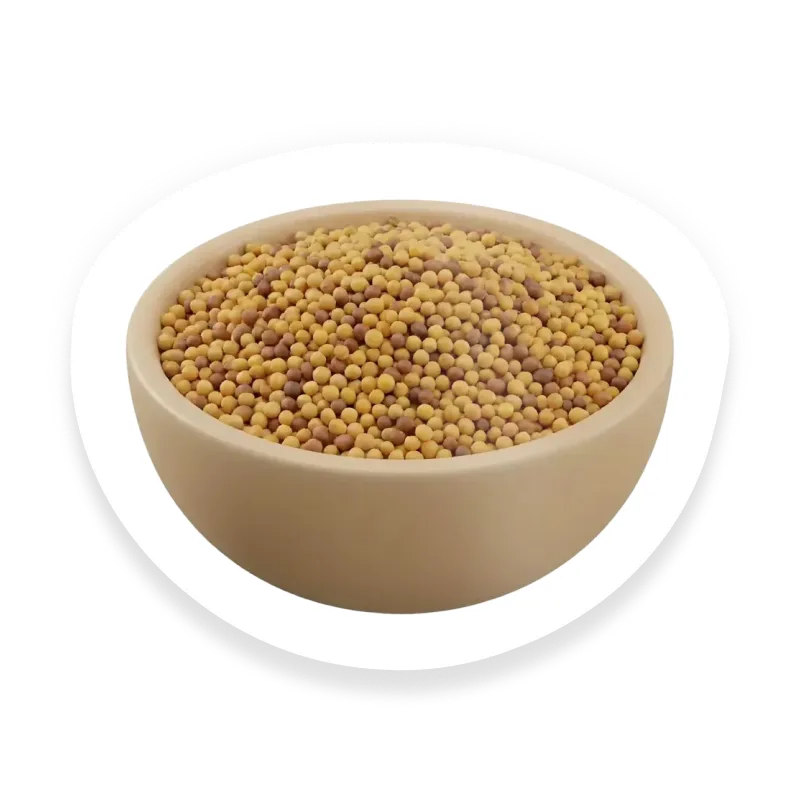
Mustard Seed
Herb/Spice
Is Mustard Seed Safe for Babies?
Yes, mustard seed can be introduced around 6 months once your baby has started solids, ensuring it's prepared in a mild, suitable form.
Yes, but there are some things to know
How Do You Serve Mustard Seed?
- 1Mix a very small pinch of mustard powder thoroughly into soft purees, dals, chutneys, or porridges so the flavor is evenly spread — avoid concentrated pockets that can be too strong.
- 2If using whole mustard seeds, cook them fully in sauces or stir-fries until they soften, then mash or blend them into the dish so there are no hard pieces.
- 3Offer only a tiny amount at first (a crumb-sized pinch mixed into food), watch for any reaction, and increase quantity slowly over several days.
- 4Keep seasonings simple (no extra salt or sugar) and match the food texture to your child’s current eating stage — smooth, well-mashed, or finely chopped as appropriate.
Is Mustard Seed a Common Allergen?
Mustard is a recognized food allergen in many countries (including the EU and Canada) and can cause reactions ranging from mild hives to severe anaphylaxis. It’s commonly found in condiments, spice blends, prepared sauces and some emulsifiers, so read ingredient lists carefully and ask about ingredients when eating out. Avoid foods labelled as containing or ‘may contain’ mustard if your child has a mustard allergy, and consult your clinician about testing and emergency treatment (antihistamine/epinephrine) if needed.
What Nutrients Does Mustard Seed Have?
Mustard seeds are nutrient-dense for a spice: they provide small but meaningful amounts of iron, calcium, magnesium, zinc, B‑vitamins (including folate and B6), fiber, plant omega‑3 (ALA), and protein, plus bioactive glucosinolates with antioxidant/anti‑inflammatory properties. For babies, these nutrients can modestly contribute to iron and calcium intake and introduce phytonutrients and flavor when used sparingly from about 6 months, but because mustard is used in very small amounts it won’t be a major nutrient source. Avoid concentrated mustard oil/essential oil for infants and be cautious with powdered mustard (can irritate airways); watch for allergic reactions since mustard is an allergen in some regions. Typical culinary amounts are safe and unlikely to cause excess intake.
Is Mustard Seed a Choking Hazard?
Very Low Choking Risk
Low risk overall, but any food can theoretically cause choking—stay within arm’s reach and actively supervise mealtimes. Mustard powder can irritate or trigger coughing if inhaled, and whole seeds may be harder for some infants to manage. Know the signs of choking and be prepared to administer infant choking first aid.
Have More Questions?
It depends. Mustard seed can be stored in an airtight container in a cool, dark place for several months, but it's best to check for signs of spoilage before use.
Yes. Freezing mustard seed in an airtight container can extend its shelf life, especially if you buy in bulk, but it isn't necessary for short-term storage.
It depends. Organic mustard seeds are grown without synthetic pesticides, but conventional ones are tested for safety; choose based on your preferences and trusted brands.
Yes. You can combine mustard seed with other spices or ingredients to introduce different flavors to your baby, but avoid seasoning heavily until the baby is accustomed to new tastes.
It depends. Typical portion sizes for babies vary, but start with a small amount, such as a pinch or 1/4 teaspoon of ground mustard seed, and observe for any reactions or tolerance.
Is Mustard Seed safe for your baby?
Get personalized guidance on introducing Mustard Seed — with prep tips, allergen alerts, and age-specific serving ideas.
Sources
- U.S. Food & Drug Administration — Substances generally recognized as safe (2023) fda.gov
- Higdon, J. — Cruciferous vegetables (Oregon State University, 2005) lpi.oregonstate.edu
- Government of Canada — Mustard: A priority food allergen (2017) canada.ca
- Pałgan et al. — Dangerous anaphylactic reaction to mustard (Archives of Medical Science, 2018) doi.org
- Hermanides et al. — Brassica oleracea pollen, a new source of occupational allergens (Allergy, 2006) doi.org
- Figueroa et al. — Mustard allergy confirmed by double-blind placebo-controlled food challenges (Allergy, 2005) doi.org
- American Academy of Allergy Asthma & Immunology — Oral Allergy Syndrome aaaai.org
- Kids with Food Allergies — Spices and food allergy kidswithfoodallergies.org
What Other Herb/Spice Can Babies Eat?
See all →
Backed by Science
Data you can trust.
Every food, guideline, and recommendation in Tummi is sourced from leading health institutions and peer-reviewed research.
 Centers for Disease Control and Prevention
Developmental milestones, nutrition guidelines, and allergen introduction timelines.
 American Academy of Pediatrics
Evidence-based feeding recommendations from the leading pediatric authority.
 National Institutes of Health
Peer-reviewed research on infant nutrition, allergies, and food safety.