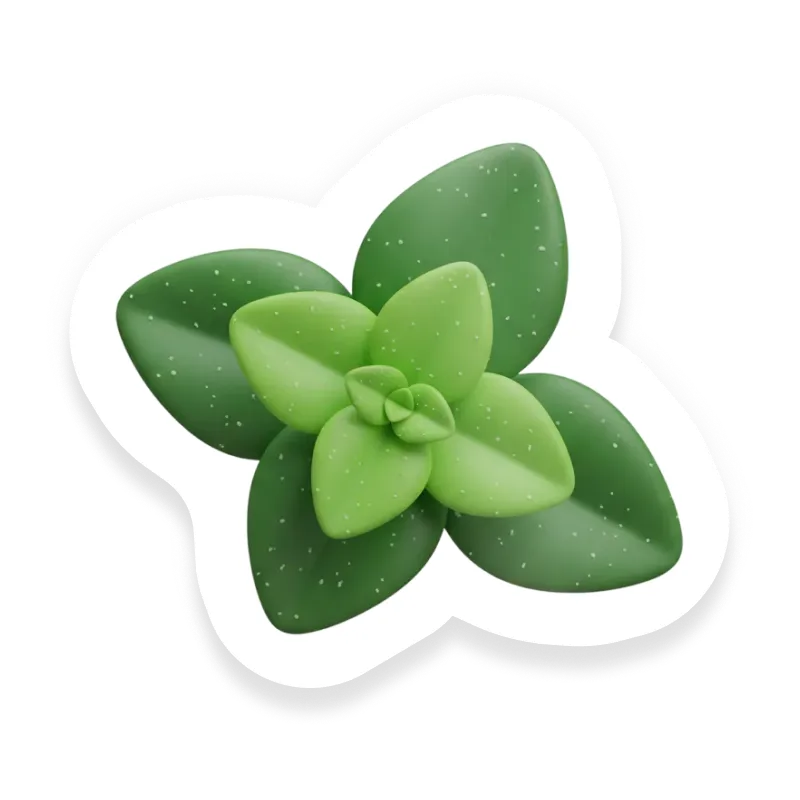
Oregano
Herb/Spice
Is Oregano Safe for Babies?
Yes, oregano can be introduced around 6 months of age once your baby is ready for solids, using small amounts in cooked dishes.
Yes, but there are some things to know
How Do You Serve Oregano?
- 1Finely chop fresh oregano leaves and any soft stems until very small so they blend smoothly into purees, mashed vegetables, cooked sauces, or dressings.
- 2If stems are woody, remove them before chopping; otherwise discard and use only leaves or a small pinch of dried/powdered oregano as an alternative.
- 3Start with a very small amount (a pinch) and offer across several feedings to watch for any sensitivity or allergic reaction.
- 4Make sure oregano is fully mixed into foods and, for very smooth textures, cook briefly or puree well to soften and reduce strong flavor.
Is Oregano a Common Allergen?
Oregano is not a common food allergen for most children, but allergic reactions can occur—especially in kids with pollen allergies (oral/pollen-food allergy syndrome) who may react to herbs. Cross-reactivity with related herbs (basil, mint, thyme) has been reported, and topical contact reactions are possible. Packaged or bulk spices can be contaminated during processing, so always check labels for precautionary allergen statements if your child has known food allergies. For infants and sensitive children, use small amounts cooked into foods and consult your pediatrician or an allergist if there’s a history of pollen or spice allergies.
What Nutrients Does Oregano Have?
Oregano provides small but concentrated amounts of micronutrients—notably vitamin K, calcium, iron, vitamin A, vitamin C, fiber, and antioxidants (carvacrol and thymol). In normal culinary amounts it contributes helpful trace calcium and iron and delivers antioxidant/anti-inflammatory plant compounds that may support overall health. Dried oregano is more concentrated than fresh, so very large amounts could raise vitamin K intake (relevant only for babies on blood‑thinning medication); oregano essential oil should be avoided for infants. Use small, food-level amounts to flavor meals—oregano is a nutritious flavoring but not a primary nutrient source.
Is Oregano a Choking Hazard?
Very Low Choking Risk
Oregano poses a low choking risk when used as a seasoning, but whole sprigs or large, woody pieces can be uncomfortable or pose a hazard. Remove any large sprigs or tough stems and avoid offering big leaf clumps to young babies, and always supervise infants closely during meals within arm’s reach. Be prepared to act — know basic infant choking first aid in case of an emergency.
Have More Questions?
Yes, oregano is generally suitable for babies once they are ready to start solids around 6 months old, and it can be safely used in cooking in small amounts.
Yes, oregano is safe for babies when used in culinary amounts, but oregano essential oils should be avoided due to their potency and lack of research on safety in children.
Yes, oregano provides small amounts of vitamins, minerals, and phytochemicals that may have health benefits for babies, when used in food preparations.
No, oregano is not a common allergen, but always introduce new herbs gradually and watch for any reactions, especially if your baby has sensitivities to related plants.
No, oregano in culinary amounts does not pose a choking hazard for babies when prepared properly; always ensure it's served in safe, manageable pieces.
Is Oregano safe for your baby?
Get personalized guidance on introducing Oregano — with prep tips, allergen alerts, and age-specific serving ideas.
Sources
- U.S. Food & Drug Administration. (2023). Substances generally recognized as safe. fda.gov
- Natural Medicines Database. Oregano.
- Futrell JM, Rietschel RL. (1993). Spice allergy evaluated by results of patch tests. Cutis. 52(5):288-90. pubmed.ncbi.nlm.nih.gov
- Benito M., Jorro G., Morales C., Peláez A., Fernández A. (1996). Labiatae allergy: systemic reactions due to ingestion of oregano and thyme. Annals of allergy, asthma & immunology. DOI: 10.1016/S1081-1206(10)63456-4 doi.org
What Other Herb/Spice Can Babies Eat?
See all →
Backed by Science
Data you can trust.
Every food, guideline, and recommendation in Tummi is sourced from leading health institutions and peer-reviewed research.
 Centers for Disease Control and Prevention
Developmental milestones, nutrition guidelines, and allergen introduction timelines.
 American Academy of Pediatrics
Evidence-based feeding recommendations from the leading pediatric authority.
 National Institutes of Health
Peer-reviewed research on infant nutrition, allergies, and food safety.