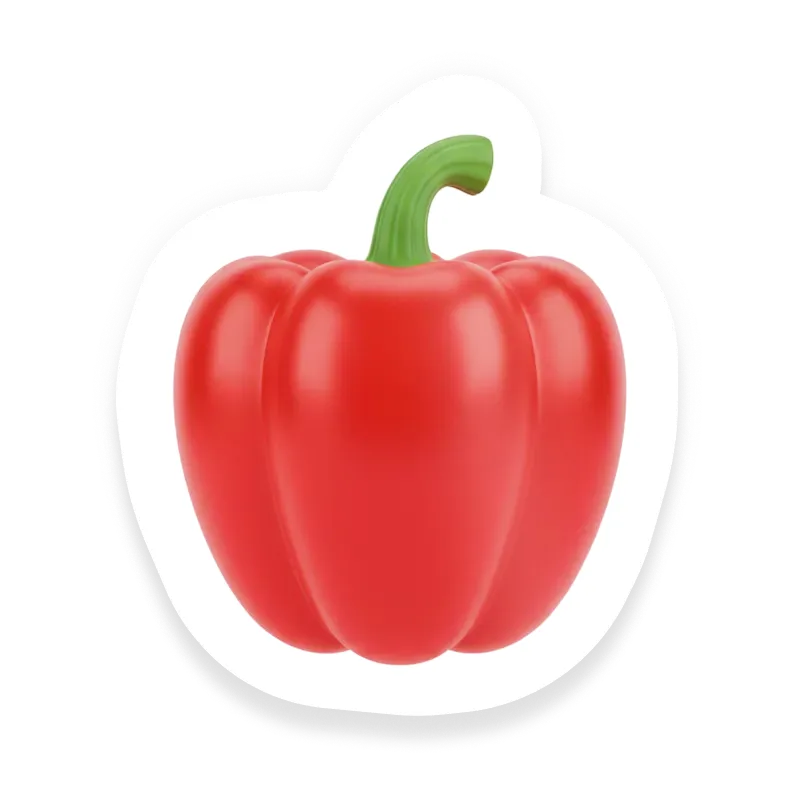
Paprika
Herb/Spice
Is Paprika Safe for Babies?
Yes, paprika can be introduced around 6 months, starting with mild, sweet varieties in small amounts, as some types may be spicy.
Yes, but there are some things to know
How Do You Serve Paprika?
- 1Offer a very tiny taste (pea-sized) of a mild, sweet paprika—avoid hot or smoked varieties.
- 2Mix the paprika into a creamy, cooling food like mashed avocado, plain yogurt, or a small amount of breast milk or formula. Buffer with cream to reduce perceived heat.
- 3Start with a single, small serving and watch closely for coughing, facial flushing, rash, vomiting, or any signs of distress for several hours.
- 4Keep feedings safe: stay within arm’s reach, remove choking hazards, and do not add extra salt or strong spices.
Is Paprika a Common Allergen?
Paprika is a ground spice made from Capsicum peppers (a nightshade) and is not among the FDA’s eight major food allergens, so it rarely causes classic food-allergic reactions. However, people with nightshade sensitivity/intolerance (reactive to tomatoes, eggplant, potatoes) may react to paprika, and some processed spice blends can contain additives or trace sulfites or experience cross-contact in manufacturing. Always read labels for added ingredients, sulfite declarations, or “contains” statements, and avoid paprika if your child has a known nightshade or spice sensitivity or a history of severe reactions.
What Nutrients Does Paprika Have?
Paprika is not a major source of calories or iron but provides small amounts of vitamins A (as carotenoids), vitamin B6, vitamin E, and some fiber—carotenoids support visual health and offer antioxidant benefits. Its carotenoids and polyphenols have modest anti-inflammatory and antioxidant properties, but because paprika is used as a seasoning it shouldn’t be relied on as a primary nutrient source; continue to offer dedicated iron- and nutrient-rich first foods. In culinary amounts it’s safe for babies starting solids, though large amounts or capsaicin exposure can cause mouth irritation, coughing, skin or diaper rash, and rare allergic reactions in sensitized children.
Is Paprika a Choking Hazard?
Very Low Choking Risk
Ground paprika (a fine powder) is low risk for choking, but the powder or spiciness can irritate the airways and trigger coughing or gagging that may briefly interfere with breathing. Inhalation of powder can also cause coughing or respiratory irritation. Watch your baby closely for persistent coughing or signs of distress and seek medical help if breathing difficulty occurs.
Have More Questions?
It depends. To store paprika for baby food, keep it in a sealed container in a cool, dry place and add it to meals fresh to retain flavor and potency.
Yes. You can freeze paprika powder in an airtight container for up to 6 months, but the flavor may diminish over time.
It depends. Organic paprika is free from synthetic pesticides, but both organic and conventional paprika are safe for babies when used appropriately.
Yes, you can combine paprika with milder foods like mashed vegetables or grains for your baby's meals to introduce new flavors gradually.
It depends. Portion sizes for paprika should be small, like a pinch or a light sprinkle, especially when first introducing the spice to a baby.
Is Paprika safe for your baby?
Get personalized guidance on introducing Paprika — with prep tips, allergen alerts, and age-specific serving ideas.
Sources
- Occurrence and Determination of Carotenoids and Polyphenols in Different Paprika Powders from Organic and Conventional Production — Ponder et al. (2021) doi.org
- Bell Pepper Allergy: Different Sensitization Profiles — Callero et al. (2018) doi.org
- Anaphylactic reaction to bell pepper (Capsicum annuum) — Garcia-Menaya et al. (2014) doi.org
- Allergic sensitization and clinical reactions to latex, food and pollen — Levy et al. (2000) doi.org
- Characterization of cross-reactive bell pepper allergens involved in the latex-fruit syndrome — Wagner et al. (2004) doi.org
- Oral Allergy Syndrome: An Update for Stomatologists — Kashyap & Kashyap (2015) doi.org
- Contact allergy to spices — van den Akker et al. (1990) doi.org
- Capsaicin: An Uncommon Exposure and Unusual Treatment — Yenigun & Thanassi (2019) doi.org
- Capsaicin: Current Understanding of Its Mechanisms and Therapy — Fattori et al. (2016) doi.org
- Occupational allergic contact dermatitis from spices — Kanerva et al. (1996) doi.org
What Other Herb/Spice Can Babies Eat?
See all →
Backed by Science
Data you can trust.
Every food, guideline, and recommendation in Tummi is sourced from leading health institutions and peer-reviewed research.
 Centers for Disease Control and Prevention
Developmental milestones, nutrition guidelines, and allergen introduction timelines.
 American Academy of Pediatrics
Evidence-based feeding recommendations from the leading pediatric authority.
 National Institutes of Health
Peer-reviewed research on infant nutrition, allergies, and food safety.