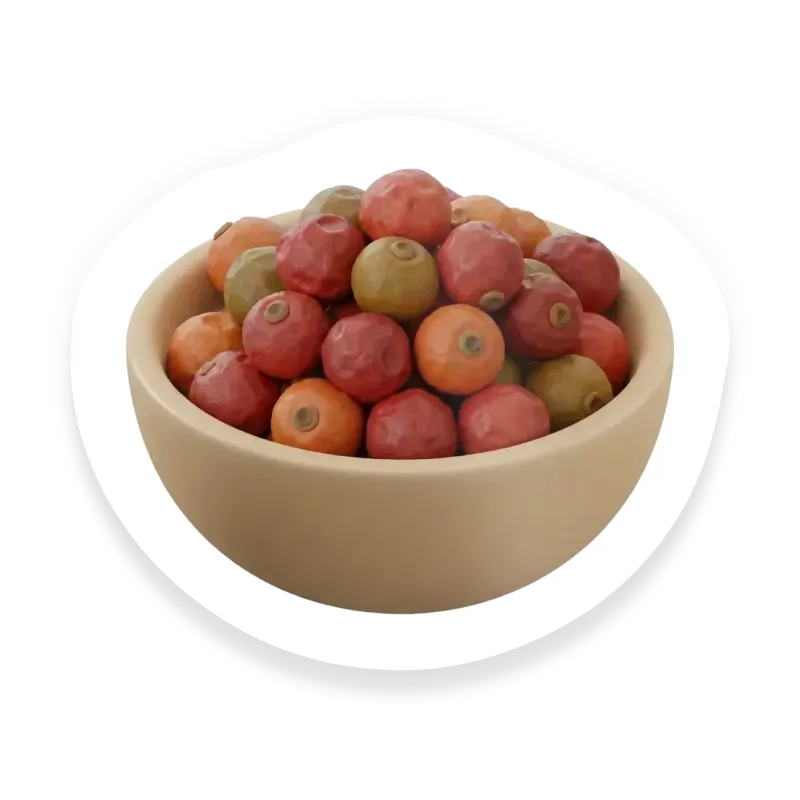
Sichuan Peppercorn
Herb/Spice
Is Sichuan Peppercorn Safe for Babies?
Yes, Sichuan peppercorn can be introduced around 6 months as a tiny amount in food, but monitor for any skin or digestive reactions.
Yes, but there are some things to know
How Do You Serve Sichuan Peppercorn?
- 1Offer a very tiny taste with the powdered spice mixed into a small portion—start with only a pinch on a spoon or fingertip.
- 2Ensure the peppercorns are fully ground and sifted; never serve whole peppercorns or berries and remove any hard pieces before offering.
- 3Offer only once or twice at first and wait 48–72 hours while watching closely for skin rash, diaper changes, vomiting, swelling, or breathing changes.
- 4Stop and seek medical advice immediately for hives, facial swelling, breathing difficulties, repeated vomiting, or persistent diarrhea; if no reaction, gradually increase the amount across several exposures.
Is Sichuan Peppercorn a Common Allergen?
Sichuan peppercorns are not among the common top‑9 allergens, but studies have identified a seed storage protein (a 2S albumin, e.g. Zan b 1) that can cause mild‑to‑severe allergic reactions in susceptible people. The spice also produces a characteristic numbing/tingling sensation in the mouth (not the same as an allergy) that can be alarming. If a child has known seed, nut, sesame, or severe food allergies, avoid Sichuan peppercorns or introduce only under medical supervision; watch for cross‑contact from processing. For infants and toddlers, consider avoiding or discussing introduction with your pediatrician or allergist first.
What Nutrients Does Sichuan Peppercorn Have?
Sichuan peppercorns are not a significant source of macronutrients but contain beneficial plant compounds—antioxidants, lignans, and fatty‑acid components—plus trace minerals. The active compound sanshool has neurophysiological and antioxidant properties but causes a tingly/numbing mouth sensation. Because the spice is used in small amounts, it won't meaningfully add calories or iron to a baby’s diet; excess can cause oral numbness, digestive upset or worsen diaper rash, so introduce tiny amounts, taste the food first, and monitor baby’s reaction.
Is Sichuan Peppercorn a Choking Hazard?
Very Low Choking Risk
Whole Sichuan peppercorns are small, round, and very firm, so they pose a real choking risk for babies. Remove any whole peppercorns from foods and closely supervise all meals, staying within arm’s reach. Be familiar with the signs of choking and have an infant/toddler first-aid plan ready so you can act quickly if needed.
Have More Questions?
Yes. Sichuan peppercorns can be introduced to babies around 6 months when they start solids, but start with a tiny amount to assess tolerance due to their intense sensation.
Yes. They are generally safe in small, cooked amounts, but always introduce gradually and observe for any adverse reactions or discomfort.
Yes. Sichuan peppercorn contains beneficial plant compounds, but always serve in tiny amounts to prevent overwhelming your baby’s palate or causing digestive upset.
No. Whole Sichuan peppercorns pose a choking hazard for babies, so always remove whole berries before serving and prepare in age-appropriate ways.
Empty. No special utensils are needed, as babies can explore solid foods with their hands directly on the tray or plate, aiding sensory development.
Is Sichuan Peppercorn safe for your baby?
Get personalized guidance on introducing Sichuan Peppercorn — with prep tips, allergen alerts, and age-specific serving ideas.
What Other Herb/Spice Can Babies Eat?
See all →
Backed by Science
Data you can trust.
Every food, guideline, and recommendation in Tummi is sourced from leading health institutions and peer-reviewed research.
 Centers for Disease Control and Prevention
Developmental milestones, nutrition guidelines, and allergen introduction timelines.
 American Academy of Pediatrics
Evidence-based feeding recommendations from the leading pediatric authority.
 National Institutes of Health
Peer-reviewed research on infant nutrition, allergies, and food safety.