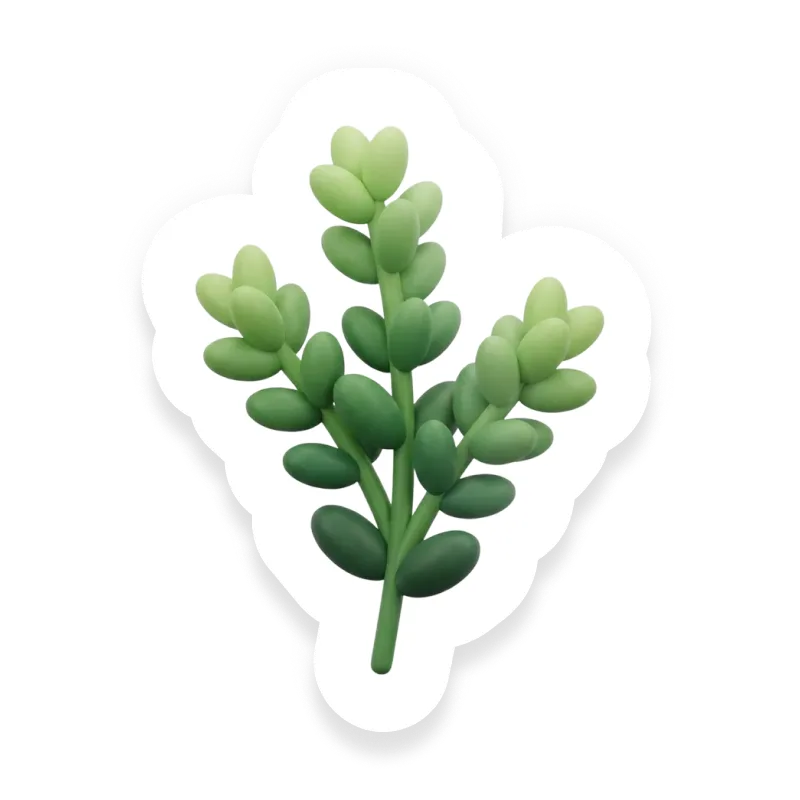
Thyme
Herb/Spice
Is Thyme Safe for Babies?
Yes, thyme can be introduced around 6 months of age in cooked dishes, in small amounts, as part of a varied, flavorful diet.
Yes, but there are some things to know
How Do You Serve Thyme?
- 1Rinse thyme, then strip leaves from any woody stems; if stems are soft, include them and finely mince so pieces are very small.
- 2Start with a tiny amount (a pinch) and mix into cooked foods like mashed vegetables, purees, or sauces; increase gently to about 1/8–1/4 teaspoon per single serving if desired.
- 3If using dried thyme, use about one-third the amount of fresh — use dried sparingly because it’s more concentrated.
- 4For a mild, blended flavor, add thyme during cooking; for a brighter, fresher note, stir it in just before serving.
Is Thyme a Common Allergen?
Thyme is not a common food allergen but can uncommonly cause allergic reactions, particularly in people sensitized to related herbs or pollens. Spices (including thyme) have case reports of allergic responses, so reactions may be overlooked. For most children thyme in food poses low risk, but parents of kids with multiple plant/pollen allergies should watch for itching of the mouth/throat, hives, swelling, or breathing difficulty and seek medical care for severe symptoms. Avoid concentrated thyme oils or extracts for children known to react to herbs.
What Nutrients Does Thyme Have?
Thyme is rich in several micronutrients by weight—notably iron, calcium, and vitamin K—and contains vitamins A and C plus antioxidant compounds (thymol, carvacrol) that may offer anti-inflammatory and antimicrobial benefits. In normal culinary amounts for babies it mainly provides flavor with a modest nutrient boost (iron and vitamin K are the most notable), but because dried thyme is nutrient-dense, large concentrated amounts or essential oils should be avoided as they can cause GI upset or deliver excessive levels of certain compounds. If a baby has a bleeding disorder or is taking medications, consult a clinician before regular use.
Is Thyme a Choking Hazard?
Very Low Choking Risk
Thyme presents a low choking risk overall, but whole woody sprigs or tough stems could cause gagging or discomfort and pose a small choking hazard. Always supervise babies closely during meals and stay within arm’s reach so you can respond quickly if they struggle. If your baby has difficulty with textures or has a history of choking, consult your pediatrician or a feeding specialist.
Have More Questions?
Yes, thyme can be stored in the refrigerator for up to a week when wrapped in a damp cloth or stored in a plastic bag. For longer storage, it can be frozen, preferably chopped and stored in an airtight container.
Yes, homemade thyme-infused purees or broths can be frozen in ice cube trays and stored for up to 3 months. Just ensure they are cooled completely before freezing.
Yes, organic thyme and conventionally grown thyme are both suitable for babies. Organic options may have fewer pesticides, but both are safe if thoroughly washed.
Yes, thyme can be combined with other baby-friendly foods like pureed vegetables, meats, or grains to introduce new flavors and textures to your baby’s diet.
Portion sizes for babies typically start small, around half a teaspoon to a teaspoon of chopped fresh thyme or a few drops of thyme-infused broth, gradually increasing as tolerated.
Is Thyme safe for your baby?
Get personalized guidance on introducing Thyme — with prep tips, allergen alerts, and age-specific serving ideas.
Sources
- U.S. Food & Drug Administration — 21 CFR Part 182 (Substances Generally Recognized as Safe) ecfr.gov
- Thymol and Thyme Essential Oil—New Insights into Selected Therapeutic Applications (Kowalczyk et al., 2020, Molecules) mdpi.com
- A Focused Insight into Thyme: Biological, Chemical, and Therapeutic Properties (Hammoudi Halat et al., 2022, Nutrients) mdpi.com
- Labiatae allergy: systemic reactions due to ingestion of oregano and thyme (Benito et al., 1996, Annals of Allergy Asthma Immunol.) pubmed.ncbi.nlm.nih.gov
- Natural Medicines Database — Thyme naturalmedicines.therapeuticresearch.com
What Other Herb/Spice Can Babies Eat?
See all →



Backed by Science
Data you can trust.
Every food, guideline, and recommendation in Tummi is sourced from leading health institutions and peer-reviewed research.
 Centers for Disease Control and Prevention
Developmental milestones, nutrition guidelines, and allergen introduction timelines.
 American Academy of Pediatrics
Evidence-based feeding recommendations from the leading pediatric authority.
 National Institutes of Health
Peer-reviewed research on infant nutrition, allergies, and food safety.