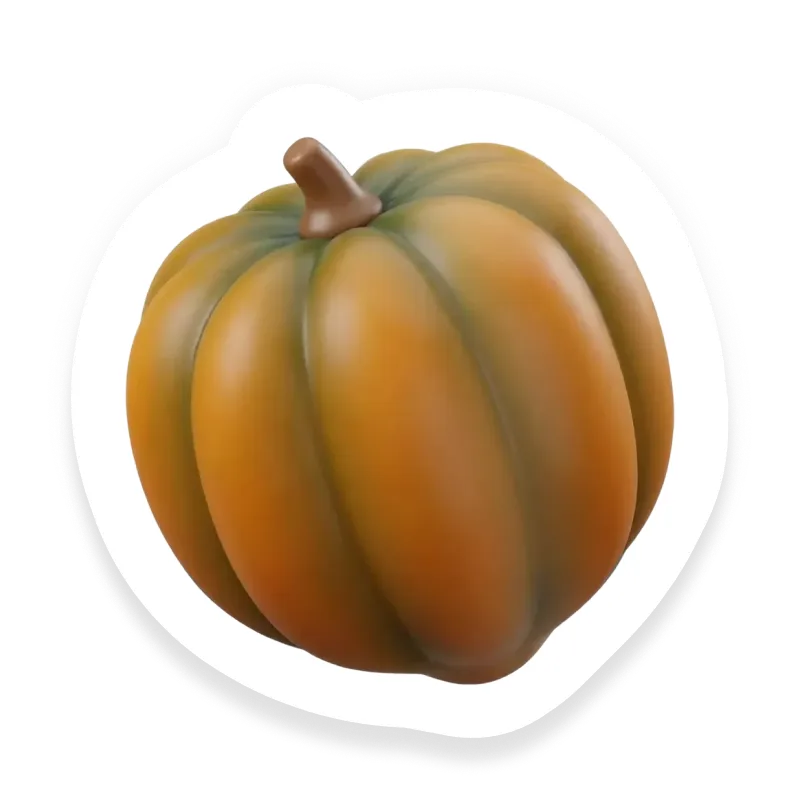
Acorn Squash
Vegetable
Is Acorn Squash Safe for Babies?
Yes, acorn squash can be introduced around 6 months of age when your baby is ready for solids, prepared until soft and pureed.
Yes, but there are some things to know
At a Glance
Acorn squash is rich in fiber and has a high water content, which help soften stool and promote regular bowel movements. It also supplies potassium and magnesium that support smooth muscle, helping the gut move more comfortably.
How Do You Serve Acorn Squash?
- 1Cut and cook until very soft: Roast, steam, or boil acorn squash until flesh is tender and easily mashed with gentle pressure. Remove seeds and peel before serving.
- 2Offer handle-shaped pieces: Slice into long, handle-like crescents so baby can grasp them, ensuring pieces are soft and the skin is removed or very thin.
- 3Serve mashed for earlier stages: Mash or puree the cooked squash and mix with breast milk, formula, yogurt, or a little butter for extra flavor and calories.
- 4Encourage utensil play: Preload a spoon or place it beside the food so baby can explore with hands and the utensil to support early self-feeding interest.
- 5Safety check: Always supervise feedings and make sure pieces are cool and appropriately sized to reduce choking risk.
Is Acorn Squash a Common Allergen?
Acorn squash is not a common childhood food allergen and is generally well tolerated. Rare allergic reactions have been reported, and people with pollen allergies (for example ragweed) can sometimes get oral allergy syndrome from related vegetables (itching or mild swelling of the lips/mouth). Seeds or roasted squash seeds may trigger reactions in sensitive individuals. Introduce new foods one at a time, watch for signs of allergy, and contact your pediatrician or allergist if your child has a history of allergies or reacts to a new food.
What Nutrients Does Acorn Squash Have?
Acorn squash is a baby‑friendly, nutrient-dense squash high in fiber and B vitamins—especially vitamin B6 and folate—plus a moderate amount of vitamin C, some vitamin A precursors, and minerals like magnesium. These nutrients support growth, cell function, digestion (fiber) and help vitamin C aid iron absorption from plant foods; the squash itself is not a rich source of iron. Excess intake is unlikely to cause toxicity, but large servings can cause loose stools or gas, so offer acorn squash in appropriate portions as part of a varied diet.
Is Acorn Squash a Choking Hazard?
Very Low Choking Risk
Cooked acorn squash is generally low choking risk when prepared appropriately, but any food can pose a choking hazard. Remove tough or inedible parts and stay within arm’s reach, watching closely for signs of gagging or choking. Review infant choking first aid beforehand so you’re prepared to act quickly if needed.
Have More Questions?
Yes, acorn squash can be stored in the refrigerator for up to 3-4 days once cooked. For longer storage, freeze pureed acorn squash in airtight containers for up to 3 months.
Yes, you can freeze pureed acorn squash in freezer-safe containers for up to 3 months. Thaw in the refrigerator or microwave before serving to your baby.
Yes, choosing organic acorn squash can reduce exposure to pesticides, but conventional squash is also safe to feed to babies if thoroughly washed.
Yes, you can combine acorn squash with other baby-friendly foods like apples or carrots to introduce varied flavors and nutrients to your baby's diet.
Yes, appropriate portion sizes depend on your baby's age and appetite, but generally a small serving, like 2-3 tablespoons, is suitable for infants starting solids.
Is Acorn Squash safe for your baby?
Get personalized guidance on introducing Acorn Squash — with prep tips, allergen alerts, and age-specific serving ideas.
Sources
- Butternut squash (Cucurbita moschata) dermatitis doi.org
What Other Vegetable Can Babies Eat?
See all →
Backed by Science
Data you can trust.
Every food, guideline, and recommendation in Tummi is sourced from leading health institutions and peer-reviewed research.
 Centers for Disease Control and Prevention
Developmental milestones, nutrition guidelines, and allergen introduction timelines.
 American Academy of Pediatrics
Evidence-based feeding recommendations from the leading pediatric authority.
 National Institutes of Health
Peer-reviewed research on infant nutrition, allergies, and food safety.