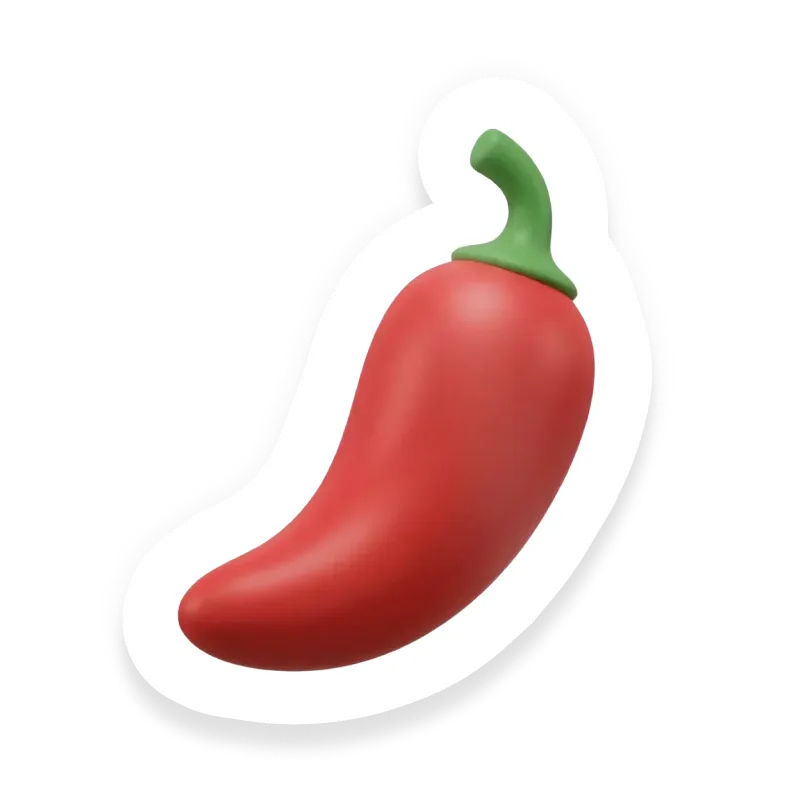
Chili Pepper
Vegetable
Is Chili Pepper Safe for Babies?
No, babies should wait until around 6 months and are accustomed to solids before trying chili peppers, and even then, they should be served in small, mild portions.
Yes, but there are some things to know
How Do You Serve Chili Pepper?
- 1Start with a very small amount — a tiny pinch or just a few grains (about 1/16 teaspoon) stirred into a spoonful of another food so baby can sample mild heat without being overwhelmed.
- 2Mix the chili into a creamy base like mashed avocado, plain yogurt, or milk to soften the sensation and make the flavor easier to accept.
- 3Offer a single tiny taste the first time and wait 15–30 minutes while watching for rash, facial swelling, gagging, persistent coughing, or diaper irritation. Contact your pediatrician if you see severe or worsening symptoms.
- 4Keep spicy tastes occasional rather than regular until baby has tried a wide range of unspiced foods and clearly tolerates mild spice.
- 5After preparing or touching chili, wash hands and utensils and avoid touching the baby’s eyes or face to prevent transfer of chili oils.
Is Chili Pepper a Common Allergen?
Chili peppers are not a common food allergen, but rare IgE‑mediated pepper allergies have been reported; more commonly capsaicin causes mouth, skin or gastrointestinal irritation and contact dermatitis ("chili burn"). Avoid giving spicy peppers to infants and introduce small amounts cautiously in older children—watch for mouth or throat itching/swelling, hives, vomiting, or breathing difficulty. Children with eczema or other food allergies may be more susceptible; seek medical advice if any allergic-type symptoms occur.
What Nutrients Does Chili Pepper Have?
Chili peppers are rich in vitamin C (helps immunity and improves iron absorption) and provide vitamin A (beta‑carotene), vitamin B6, vitamin E, fiber, antioxidants, and small amounts of minerals like iron. These nutrients support immune function, vision and growth, and may support healthy digestion when offered in small amounts. Capsaicin (the spicy component) can irritate the mouth, skin, and digestive tract—avoid large amounts, concentrated forms (hot sauces, oils), and start with tiny tastes; pair with a creamy food to reduce burning. Typical culinary amounts won’t cause vitamin toxicity but may cause temporary irritation or diaper-area discomfort if overconsumed.
Is Chili Pepper a Choking Hazard?
Moderate Choking Risk
Chili peppers themselves aren’t typically a choking hazard when very finely chopped, but whole peppers or large pieces can be. Their spiciness often makes babies cough, salivate, or gag more than milder foods, which can increase the chance of choking, so stay nearby and attentive. Also note babies may rub their eyes or face after touching peppers, which can cause irritation but isn’t a choking risk.
Have More Questions?
Yes. While chili peppers are very spicy and not recommended for regular feeding, small tastes can be safe for babies once they are accustomed to a variety of milder foods. Always start with a tiny amount and observe their reaction.
Yes, as long as the chili pepper is prepared to reduce spiciness, such as removing seeds and pith, and the baby has tried milder foods first. Always taste first to ensure it isn’t too hot for your baby.
It depends. Chili peppers can be introduced at around 6 months, but they should be offered carefully to avoid upsetting your baby’s digestive system or causing skin irritation. Monitor their response closely.
Yes, but it’s recommended to serve chili peppers alongside creamy or non-spicy foods to balance the heat, and only in small amounts initially. Adjust based on how your baby handles the spice.
It depends. Chili peppers are not a common choking hazard when that's finely chopped, but their heat can cause discomfort or gagging. Always supervise your baby during meals and serve appropriately prepared foods.
Is Chili Pepper safe for your baby?
Get personalized guidance on introducing Chili Pepper — with prep tips, allergen alerts, and age-specific serving ideas.
Sources
- Putting out the fire - Efficacy of common beverages in reducing oral burn from capsaicin (Physiology & Behavior, 2019) doi.org
- Bell Pepper Allergy: Different Sensitization Profiles (Journal of Investigational Allergology and Clinical Immunology, 2018) doi.org
- Anaphylactic reaction to bell pepper (Capsicum annuum) in a patient with a latex-fruit syndrome (Allergologia et Immunopathologia, 2014) doi.org
- Capsaicin: An Uncommon Exposure and Unusual Treatment (Clinical Practice and Cases in Emergency Medicine, 2019) doi.org
- Capsaicin: Current Understanding of Its Mechanisms and Therapy of Pain and Other Uses (Molecules, 2016) doi.org
- Allergic sensitization and clinical reactions to latex, food and pollen in adult patients (Clinical and Experimental Allergy, 2000) doi.org
- Characterization of cross-reactive bell pepper allergens involved in the latex-fruit syndrome (Clinical & Experimental Allergy, 2004) doi.org
- Oral Allergy Syndrome: An Update for Stomatologists (Journal of Allergy, 2015) doi.org
- Mixed Spices at Culinary Doses Have Prebiotic Effects in Healthy Adults: A Pilot Study (Nutrients, 2019) doi.org
- The effects of capsaicin on reflux, gastric emptying and dyspepsia (Alimentary Pharmacology & Therapeutics, 2000) doi.org
What Other Vegetable Can Babies Eat?
See all →
Backed by Science
Data you can trust.
Every food, guideline, and recommendation in Tummi is sourced from leading health institutions and peer-reviewed research.
 Centers for Disease Control and Prevention
Developmental milestones, nutrition guidelines, and allergen introduction timelines.
 American Academy of Pediatrics
Evidence-based feeding recommendations from the leading pediatric authority.
 National Institutes of Health
Peer-reviewed research on infant nutrition, allergies, and food safety.