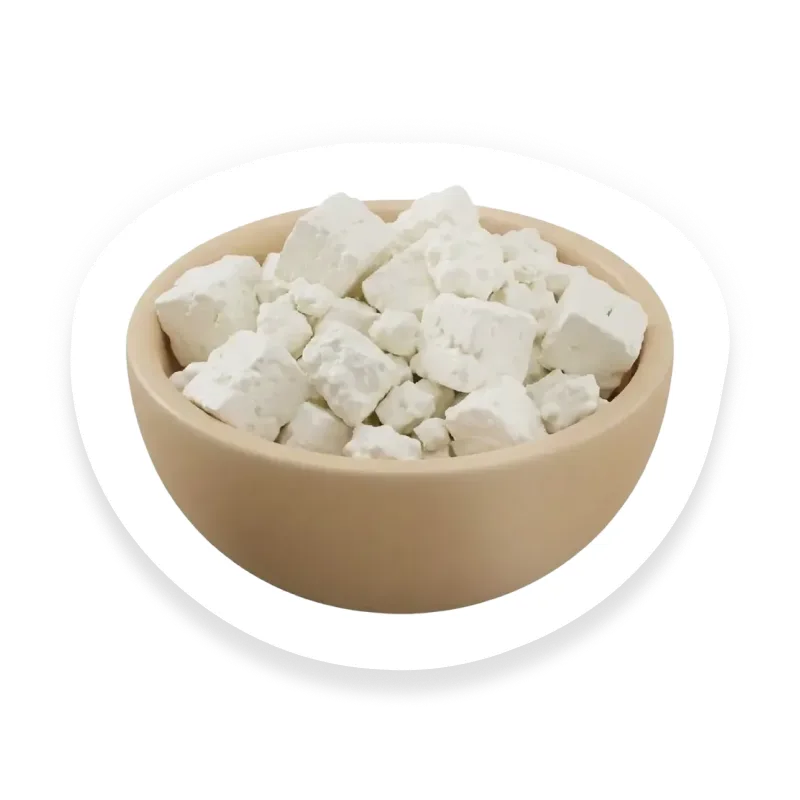
Feta Cheese
Dairy
Is Feta Cheese Safe for Babies?
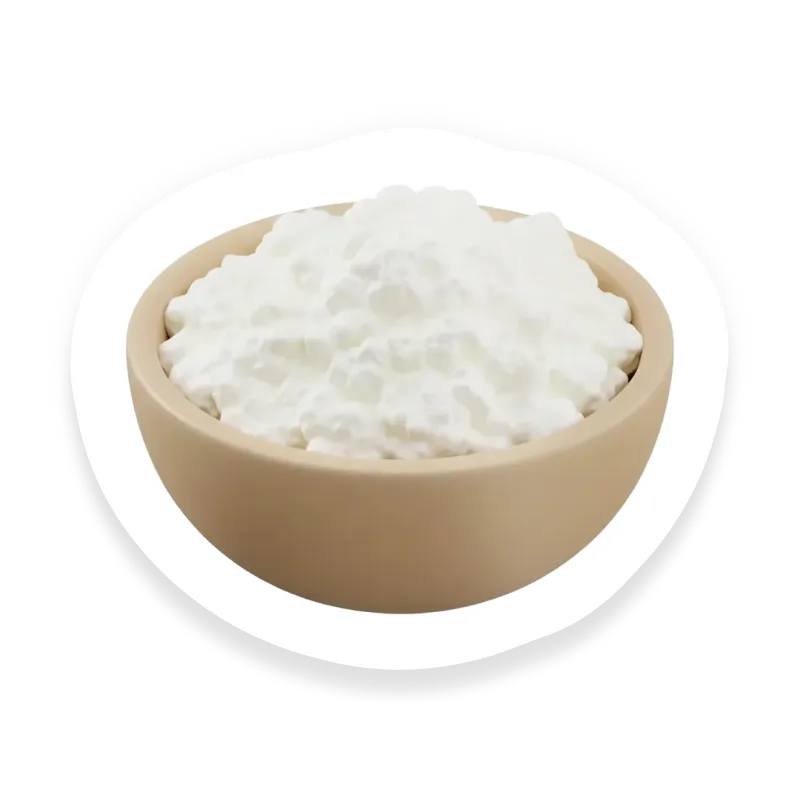
Yes, babies can eat feta cheese as early as 6 months old if it's pasteurized and served in an age-appropriate texture.
Yes, but there are some things to know
At a Glance
Made from sheep or goat milk, feta can trigger a milk protein allergy in people who react to milk proteins like casein or whey. It also provides protein, calcium and live cultures from fermentation that help gut bacteria and support bone health.
How Do You Serve Feta Cheese?
- 1Confirm the feta is pasteurized and that the baby has tolerated dairy before offering.
- 2Crumble into very small pieces or mash into soft foods like mashed avocado, purees, or soft cooked vegetables so textures are smooth and scoopable.
- 3Blend feta with plain yogurt or a soft puree until smooth to make a scoopable dip; keep the mixture easily scoopable.
- 4Avoid large or firm chunks—serve only tiny crumbles or fully blended mixtures to reduce choking risk.
- 5Start with a pea-sized amount and watch for salt sensitivity or digestive changes. Always supervise while eating.
Is Feta Cheese a Common Allergen?
Feta is a dairy cheese made from sheep, goat, or cow milk and therefore contains milk proteins—avoid if your child has a milk allergy. Check the package for “pasteurized” because some feta may be made from unpasteurized milk; unpasteurized soft cheeses can carry bacteria and are not recommended for infants or pregnant people. Some products use animal or microbial rennet, so read ingredient lists or contact the manufacturer if your child has unusual sensitivities. If unsure, choose a clearly labeled pasteurized product or a dairy-free “feta-style” alternative and consult your child’s clinician before introducing.
What Nutrients Does Feta Cheese Have?
Feta is a nutrient-dense cheese providing high-quality protein, fat, calcium, zinc, selenium, and vitamins A, B6 and B12—nutrients that support growth, bone development, immunity and brain function. It is relatively high in sodium, so offer small amounts, drain brine to reduce salt if desired, and prioritize pasteurized feta; the main nutrient-related concern for infants is excess sodium rather than vitamin overload. Because it’s made from milk, be mindful of milk allergy risk and serve age-appropriate textures starting around 6 months.
Is Feta Cheese a Choking Hazard?
Very Low Choking Risk
Feta can be chalky and crumbly, which makes it more likely to stick in a baby’s throat and be a choking hazard, especially for younger infants learning to swallow. Always supervise closely and stay within arm’s reach during meals, watch for signs of choking, and be prepared to respond with appropriate first aid.
Have More Questions?
Yes. When prepared in an age-appropriate way, feta cheese can be safely given to babies who are 6 months and older, considering portion size and texture.
Yes. Feta cheese can be stored in the refrigerator for up to a week after opening, but always check for spoilage signs before serving to your baby.
Yes. Freezing feta cheese is possible, but it may change the texture, making it crumblier; use it in cooked dishes if texture changes are a concern.
It depends. Organic feta cheese comes from animals fed with organic feed and without synthetic pesticides, but both organic and conventional feta can be safe for babies if pasteurized and stored properly.
Yes. Feta cheese can be mixed with other baby-friendly foods like pureed vegetables, fruits, or grains to introduce new flavors and textures for your baby.
Is Feta Cheese safe for your baby?
Get personalized guidance on introducing Feta Cheese — with prep tips, allergen alerts, and age-specific serving ideas.
Sources
- Does salt intake in the first two years of life affect the development of cardiovascular disorders in adulthood? - Nutr Metab Cardiovasc Dis (2012) doi.org
- Infants' and Children's Salt Taste Perception and Liking: A Review - Nutrients (2017) doi.org
- Histamine Intolerance: The Current State of the Art - Biomolecules (2020) doi.org
- Histamine Intolerance in Children: A Narrative Review - Nutrients (2021) doi.org
- Food protein-induced enterocolitis syndrome and allergic proctocolitis - Allergy Asthma Proc (2015) doi.org
- The epidemiology of milk allergy in US children - Annals of Allergy, Asthma & Immunology (2013) doi.org
- The challenge of cow milk protein allergy - Small Ruminant Research (2007) doi.org
What Other Dairy Can Babies Eat?
See all →
Backed by Science
Data you can trust.
Every food, guideline, and recommendation in Tummi is sourced from leading health institutions and peer-reviewed research.
 Centers for Disease Control and Prevention
Developmental milestones, nutrition guidelines, and allergen introduction timelines.
 American Academy of Pediatrics
Evidence-based feeding recommendations from the leading pediatric authority.
 National Institutes of Health
Peer-reviewed research on infant nutrition, allergies, and food safety.