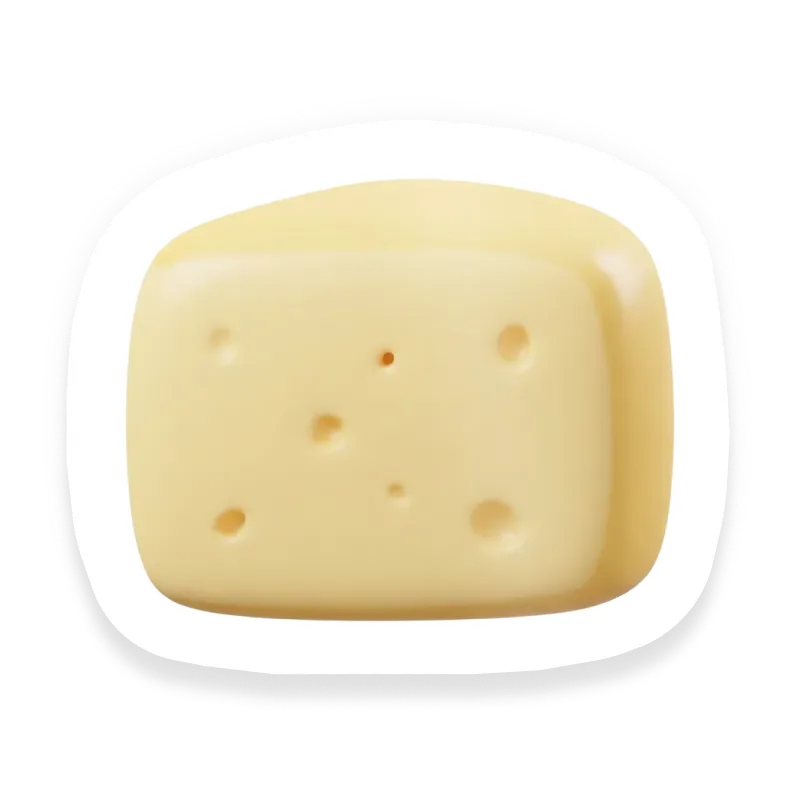
Havarti Cheese
Dairy
Is Havarti Cheese Safe for Babies?
Yes, babies can have Havarti cheese after their first birthday in moderation due to its sodium content.
Yes, but there are some things to know
At a Glance
Havarti is made from cow’s milk and can cause reactions in people with dairy sensitivity because it contains milk proteins and lactose. It is also nutrient-dense, rich in calcium and provides vitamin B12, which support bone and nerve health.
How Do You Serve Havarti Cheese?
- 1Limit Havarti because it’s higher in sodium — avoid serving it regularly and offer it only occasionally.
- 2Choose naturally low‑sodium cheeses for regular meals, such as goat, mascarpone, mozzarella, ricotta, or Swiss.
- 3If using Havarti in a shared cooked dish (for example, an omelet), finely grate it or cut it into very thin slices so pieces are small, soft, and easy to handle and swallow.
- 4Always check texture and temperature, offer small manageable pieces, and supervise every feeding.
Is Havarti Cheese a Common Allergen?
Havarti cheese is made from cow’s milk and therefore contains milk — a major allergen; avoid if your child has a milk (cow’s milk) allergy. Havarti does not naturally contain peanuts, tree nuts, eggs, soy, fish, shellfish, sesame, or gluten, but ingredients or cross-contact during processing can introduce other allergens, so always check the package label. If your child is lactose intolerant rather than milk-allergic, tolerance varies—ask your pediatrician or allergist before offering.
What Nutrients Does Havarti Cheese Have?
Nutrient snapshot: Havarti is a nutrient-dense cow’s‑milk cheese supplying high-quality protein and abundant calcium for bone growth, plus vitamin A, B2 (riboflavin), and vitamin B12 to support vision, metabolism, blood, and nervous-system development. It also contributes trace minerals such as zinc and selenium and provides caloric fat that helps meet infants’ energy needs. The main cautions are its relatively high sodium and that it’s a dairy allergen—limit portions for babies under 12 months and serve small, thinly sliced or melted portions to reduce choking and sodium exposure.
Is Havarti Cheese a Choking Hazard?
Very Low Choking Risk
Havarti can be a choking hazard for young children because its texture may form large, sticky, or slippery pieces that are hard to clear. Keep your baby upright and within arm’s reach and watch closely while they eat, as cheese can prompt sudden gagging or airway blockage. Familiarize yourself with infant choking first aid so you can act quickly if needed.
Have More Questions?
No, it depends. Havarti cheese can be introduced after 12 months, but due to its sodium content, it should be served sparingly and not as a regular part of a baby's diet before then.
Yes, it depends. Store Havarti cheese in the refrigerator wrapped tightly and use within the date on the package; cut portions in advance and keep them covered to prevent drying out.
It depends. Organic Havarti may be preferable due to its potentially lower pesticide residues, but both organic and conventional can be safe if served in moderation and in compliance with age recommendations.
Yes, it depends. Combining Havarti with mild fruits or vegetables can make it more appealing and provide a variety of nutrients, but always ensure the textures are appropriate for your baby's age.
No, it depends. Portions for babies should be small, about 1-2 teaspoons of shredded or sliced cheese, increasing gradually as they get used to new textures and flavors.
Is Havarti Cheese safe for your baby?
Get personalized guidance on introducing Havarti Cheese — with prep tips, allergen alerts, and age-specific serving ideas.
Sources
- Early Exposure to Dietary Sugar and Salt - Baker S.S. & Baker R.D. (Pediatrics, 2015) doi.org
- Dietary Reference Intakes for Sodium and Potassium - National Academies of Sciences, Engineering, and Medicine (2019) nap.edu
- The 'Grass-Fed' Milk Story: Understanding the Impact of Pasture Feeding on the Composition and Quality of Bovine Milk - Alothman et al. (Foods, 2019) doi.org
- Long-term effects of environmental endocrine disruptors on reproductive physiology and behavior - Patisaul H.B. & Adewale H.B. (Frontiers in Behavioral Neuroscience, 2009) doi.org
- Elucidating Adverse Nutritional Implications of Exposure to Endocrine-Disrupting Chemicals and Mycotoxins through Stable Isotope Techniques - Owino V.O. et al. (Nutrients, 2018) doi.org
- The epidemiology of milk allergy in US children - Warren C.M. et al. (Ann Allergy Asthma Immunology, 2013) doi.org
- Lactose-Free Dairy Products: Market Developments, Production, Nutrition and Health Benefits - Dekker P. et al. (Nutrients, 2019) doi.org
- Effect of Different Cooking Methods on Histamine Levels in Selected Foods - Chung B.Y. et al. (Annals of Dermatology, 2017) doi.org
What Other Dairy Can Babies Eat?
See all →
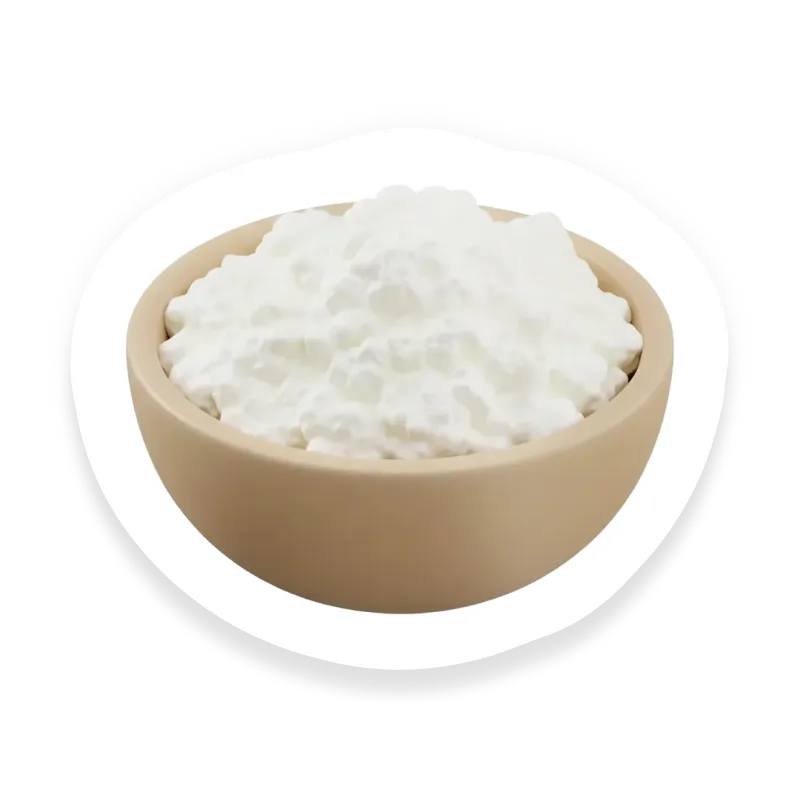
Backed by Science
Data you can trust.
Every food, guideline, and recommendation in Tummi is sourced from leading health institutions and peer-reviewed research.
 Centers for Disease Control and Prevention
Developmental milestones, nutrition guidelines, and allergen introduction timelines.
 American Academy of Pediatrics
Evidence-based feeding recommendations from the leading pediatric authority.
 National Institutes of Health
Peer-reviewed research on infant nutrition, allergies, and food safety.