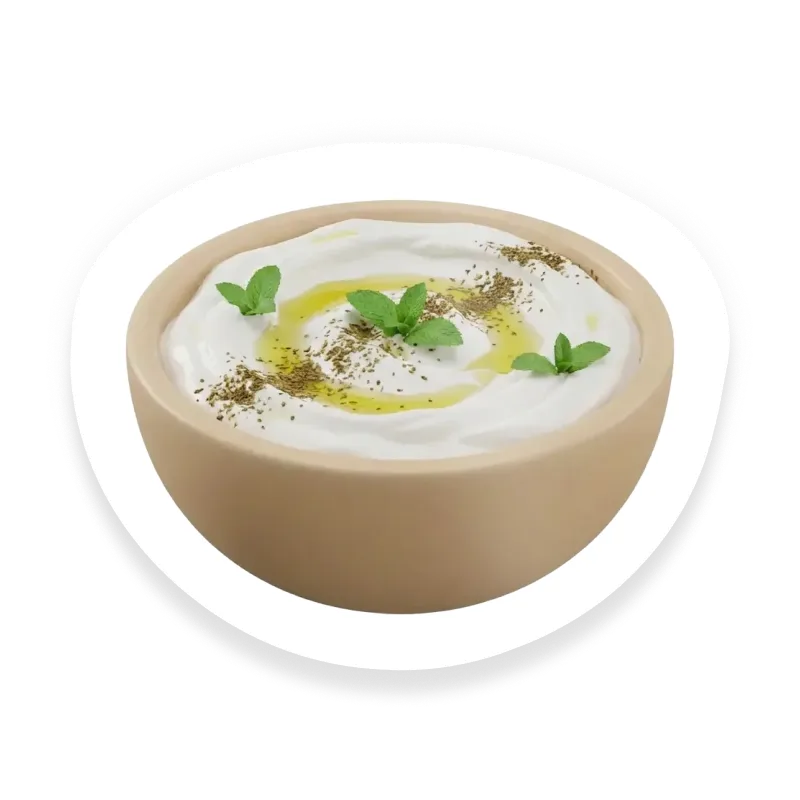
Labneh
Dairy
Is Labneh Safe for Babies?
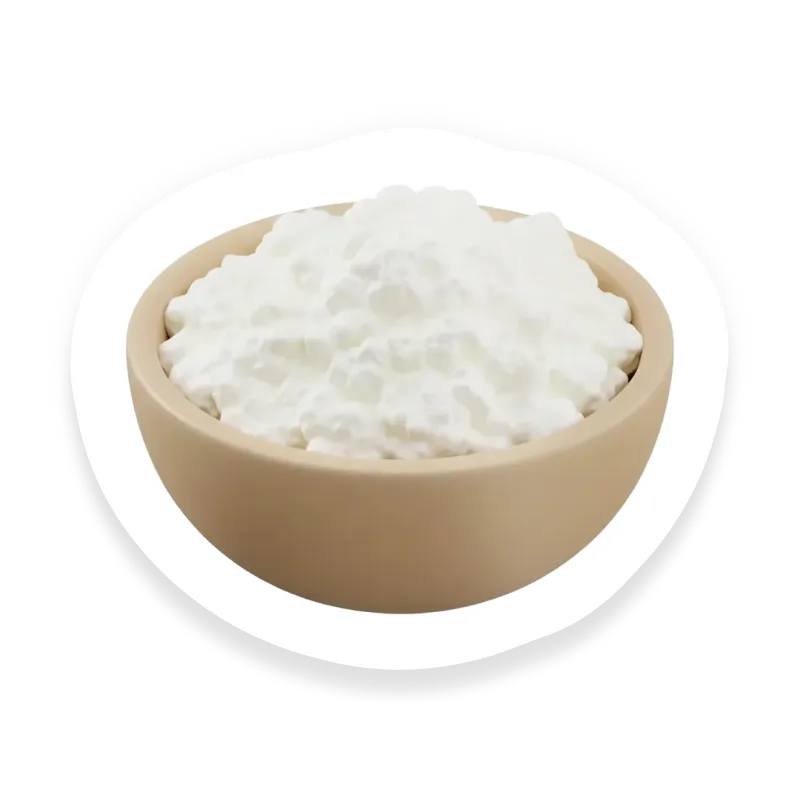
Yes, babies can have pasteurized labneh starting at 6 months, as part of a balanced solid food diet, ensuring it's served plain without added salt or honey.
Yes, but there are some things to know
At a Glance
Labneh is thick, strained yogurt that contains live probiotic cultures, which help balance gut bacteria and ease digestion. Its concentrated texture makes it rich in protein and often lower in lactose, which can support softer, more regular stools.
Labneh is made from cow's milk and can trigger reactions in people with milk allergy because of milk protein allergens. It is rich in protein and contains live cultures, supplying calcium and friendly bacteria that help bones and digestion.
How Do You Serve Labneh?
- 1Offer pasteurized, soft, scoopable labneh in a small bowl so your baby can self-feed; serve plain or with a tiny drizzle of olive oil.
- 2Stir in a small amount of finely chopped mild herb (like parsley) for flavor, but do not add honey or sugar.
- 3Spread a thin layer on strips of toast or mix into soft grains or lentils to form easy-to-grab shapes. Keep pieces large enough to grasp but soft enough to mash with gums.
- 4Always supervise closely at mealtimes and offer water with solids; avoid adding nuts or whole seeds to reduce choking risk.
Is Labneh a Common Allergen?
Labneh is a strained yogurt made from animal milk and therefore contains milk proteins (dairy), so it is not safe for anyone with a milk/dairy allergy. Some people with lactose intolerance tolerate it better because straining and fermentation reduce lactose, but that does not make it safe for true allergies. Always read labels for added ingredients (flavors, thickeners, or nuts) and cross‑contamination/allergen statements, and choose dairy‑free alternatives or check with a clinician if unsure.
What Nutrients Does Labneh Have?
Labneh is nutrient-dense: a good source of protein, fat (including saturated fat), calcium, vitamins A and B12, and probiotics that support growth, bone and brain development, and gut health. It is not iron-rich, so serve small portions alongside iron-rich foods. Choose pasteurized, soft labneh and limit salty or aged varieties—small servings help avoid excess saturated fat and sodium. Introduce cautiously if there is a history of milk allergy and watch for reactions when first offered.
Is Labneh a Choking Hazard?
Very Low Choking Risk
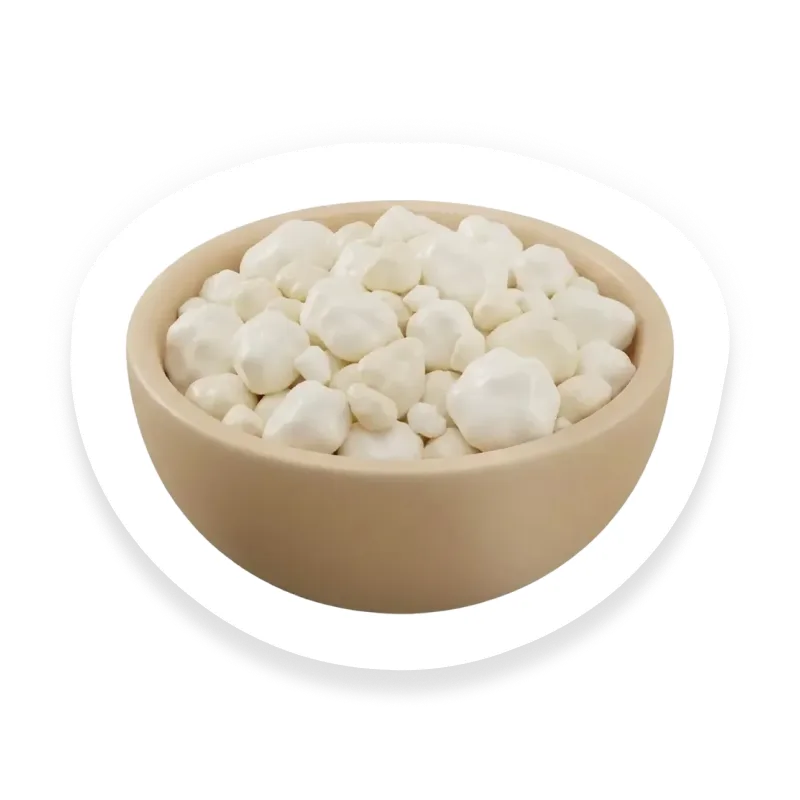
Soft, scoopable labneh generally poses low choking risk, but firmer varieties (like labneh balls) are round, firm, and slippery and can be a higher choking hazard for babies. Those firmer, round pieces are more likely to block the airway, particularly in younger infants who haven’t mastered chewing and oral manipulation. Be alert during meals, learn the signs of choking, and have a plan to respond quickly if a choking event occurs.
Have More Questions?
Yes. You can store leftover labneh in an airtight container in the refrigerator for up to 3-4 days, ensuring it remains fresh and safe for your baby to eat.
Yes. Freezing small portions of labneh in ice cube trays covered with plastic wrap allows for easy portioning and helps preserve its freshness for up to 1-2 months.
It depends. For babies, opt for organic labneh if available, as it generally avoids synthetic pesticides and additives, but conventional labneh can also be safe if properly pasteurized and stored.
Yes. Combining labneh with fruits or vegetables can create nutritious finger foods or spreads that introduce your baby to a variety of flavors and textures, promoting palate development.
Typically, portions of about 1-2 teaspoons are appropriate for a baby starting solids, gradually increasing as your child becomes accustomed to new textures and flavors.
Is Labneh safe for your baby?
Get personalized guidance on introducing Labneh — with prep tips, allergen alerts, and age-specific serving ideas.
Sources
- Breast Milk Lipids and Fatty Acids in Regulating Neonatal Intestinal Development and Protecting against Intestinal Injury doi.org
- Is Butter Back? A Systematic Review and Meta-Analysis of Butter Consumption and Risk of Cardiovascular Disease, Diabetes, and Total Mortality doi.org
- Saturated fat and cardiometabolic risk factors, coronary heart disease, stroke, and diabetes: a fresh look at the evidence doi.org
- Infants' and Children's Salt Taste Perception and Liking: A Review doi.org
- Does salt intake in the first two years of life affect the development of cardiovascular disorders in adulthood? doi.org
- The epidemiology of milk allergy in US children doi.org
- The challenge of cow milk protein allergy doi.org
- Food protein-induced enterocolitis syndrome and allergic proctocolitis doi.org
What Other Dairy Can Babies Eat?
See all →
Backed by Science
Data you can trust.
Every food, guideline, and recommendation in Tummi is sourced from leading health institutions and peer-reviewed research.
 Centers for Disease Control and Prevention
Developmental milestones, nutrition guidelines, and allergen introduction timelines.
 American Academy of Pediatrics
Evidence-based feeding recommendations from the leading pediatric authority.
 National Institutes of Health
Peer-reviewed research on infant nutrition, allergies, and food safety.