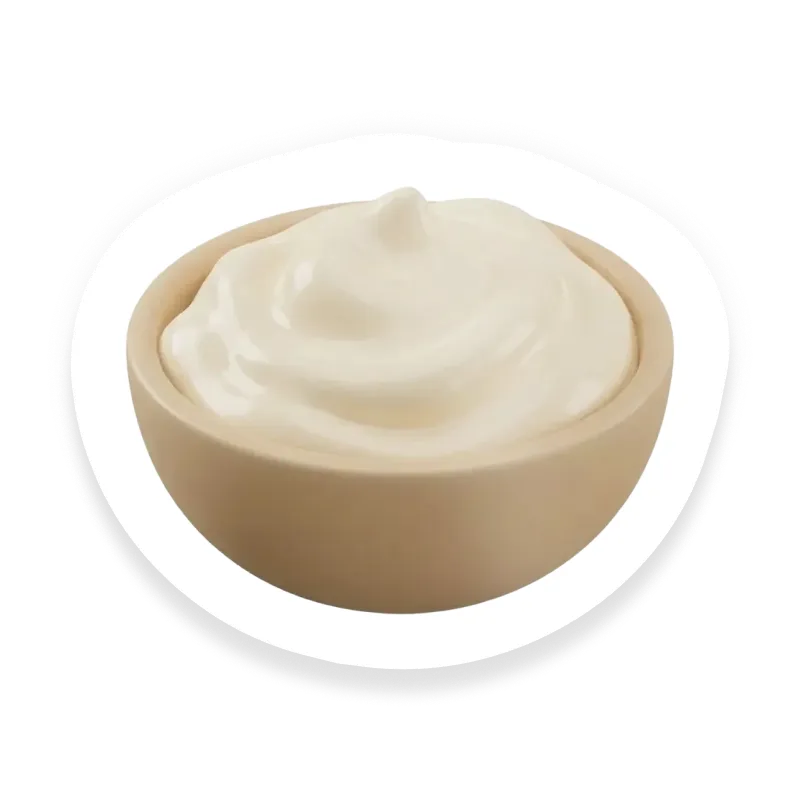
Mascarpone Cheese
Dairy
Is Mascarpone Cheese Safe for Babies?
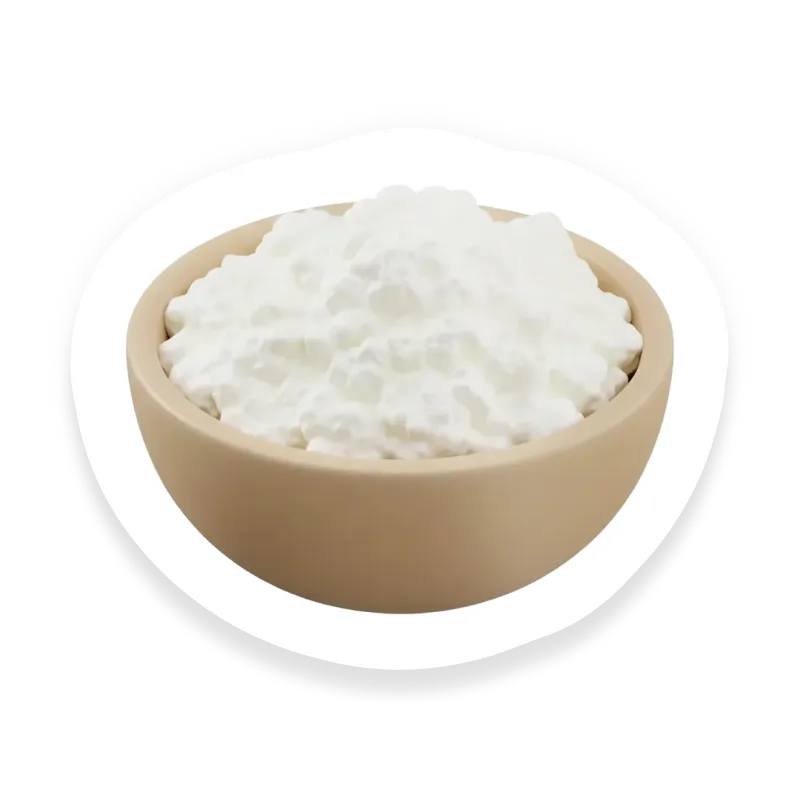
Yes, you can introduce mascarpone cheese to babies as early as 6 months, using pasteurized varieties to reduce food safety risks.
Yes, but there are some things to know
At a Glance
Mascarpone is made from cream and contains milk proteins and lactose, so it can trigger allergic reactions or intolerance in people with dairy sensitivities. It is high in fat and supplies calcium and vitamin A, giving quick energy and helping the body absorb some nutrients.
How Do You Serve Mascarpone Cheese?
- 1Choose pasteurized mascarpone for safety. Offer only a pea-sized smear on toast or a small spoonful stirred into mashed vegetables, cooked grains, or soft scrambled egg.
- 2Start with a very small amount at the first few feedings and repeat across separate days to watch for any reaction.
- 3Keep the texture smooth — spread thinly or fully mix into food so it won’t form lumps that could cause gagging.
- 4Do not add honey or other sweeteners; serve the cheese plain or gently mixed into baby foods.
- 5Always offer under close supervision and introduce other new foods on different days so any reactions are easier to spot.
Is Mascarpone Cheese a Common Allergen?
Mascarpone is a cream cheese made from milk/cream and contains milk proteins and lactose — avoid for children with a milk allergy and use caution with lactose intolerance. It typically does not contain eggs, nuts, peanuts, soy, sesame, gluten, fish, or shellfish, but manufacturing cross-contact is possible, so always check the product label for allergen statements. For milk-allergic children, choose dairy-free alternatives.
What Nutrients Does Mascarpone Cheese Have?
Mascarpone is very high in fat (about 75%) and provides small amounts of calcium, choline, protein, vitamin A, and zinc—nutrients that support energy needs, brain development, bone health, and immune function. Its calorie-dense fat can help meet an infant’s energy needs but may displace iron-rich foods if given in large amounts, so offer small portions alongside iron-rich options. Always choose pasteurized mascarpone to reduce foodborne risk and avoid adding honey for babies under 12 months.
Is Mascarpone Cheese a Choking Hazard?
Very Low Choking Risk
Mascarpone's soft, spreadable texture makes it a low choking risk compared with firmer foods. That said, any food can pose a choking hazard—keep baby seated upright, stay within arm’s reach, and watch for signs of gagging or choking.
Have More Questions?
Yes. Mascarpone cheese can be stored in an airtight container in the refrigerator for up to 2-3 days after opening. For longer storage, it can be frozen for up to 1 month, but may change in texture.
Yes. You can freeze mascarpone purees for your baby in small, portioned containers for up to 1 month. Thaw in the refrigerator overnight and stir well before serving.
It depends. Organic mascarpone cheese is produced without synthetic pesticides or fertilizers, but both organic and conventional mascarpone should be pasteurized to ensure safety for babies.
It depends. Combining mascarpone with fruits or grains can introduce your baby to new flavors and textures, but always consider the textures and potential allergens to ensure safety.
It depends. Suggested portion sizes for babies vary based on age and development, but generally, start with a teaspoon to a tablespoon of mascarpone as part of balanced meals.
Is Mascarpone Cheese safe for your baby?
Get personalized guidance on introducing Mascarpone Cheese — with prep tips, allergen alerts, and age-specific serving ideas.
Sources
- Dangers of raw milk — U.S. Food & Drug Administration fda.gov
- Consumption of raw or unpasteurized milk and milk products by pregnant women and children — American Academy of Pediatrics (Pediatrics, 2014) pediatrics.aappublications.org
- The epidemiology of milk allergy in US children — Warren CM et al. (Annals of Allergy, Asthma & Immunology, 2013) doi.org
- Food protein-induced enterocolitis syndrome and allergic proctocolitis — Nowak-Węgrzyn A. (Allergy Asthma Proc., 2015) doi.org
- The challenge of cow milk protein allergy — El-Agamy, E. (Small Ruminant Research, 2007) doi.org
What Other Dairy Can Babies Eat?
See all →
Backed by Science
Data you can trust.
Every food, guideline, and recommendation in Tummi is sourced from leading health institutions and peer-reviewed research.
 Centers for Disease Control and Prevention
Developmental milestones, nutrition guidelines, and allergen introduction timelines.
 American Academy of Pediatrics
Evidence-based feeding recommendations from the leading pediatric authority.
 National Institutes of Health
Peer-reviewed research on infant nutrition, allergies, and food safety.