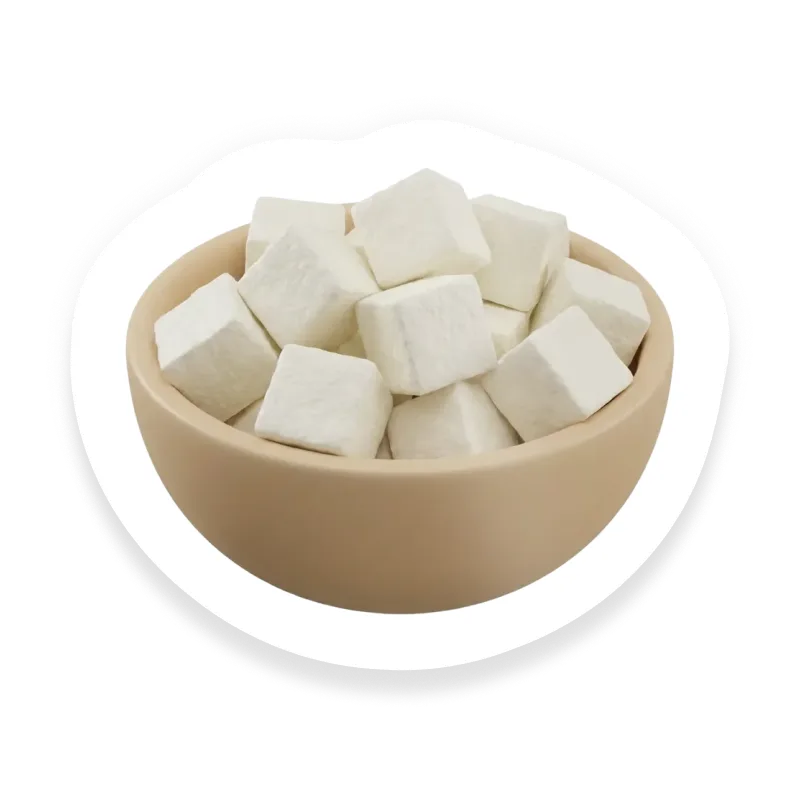
Paneer
Dairy
Is Paneer Safe for Babies?
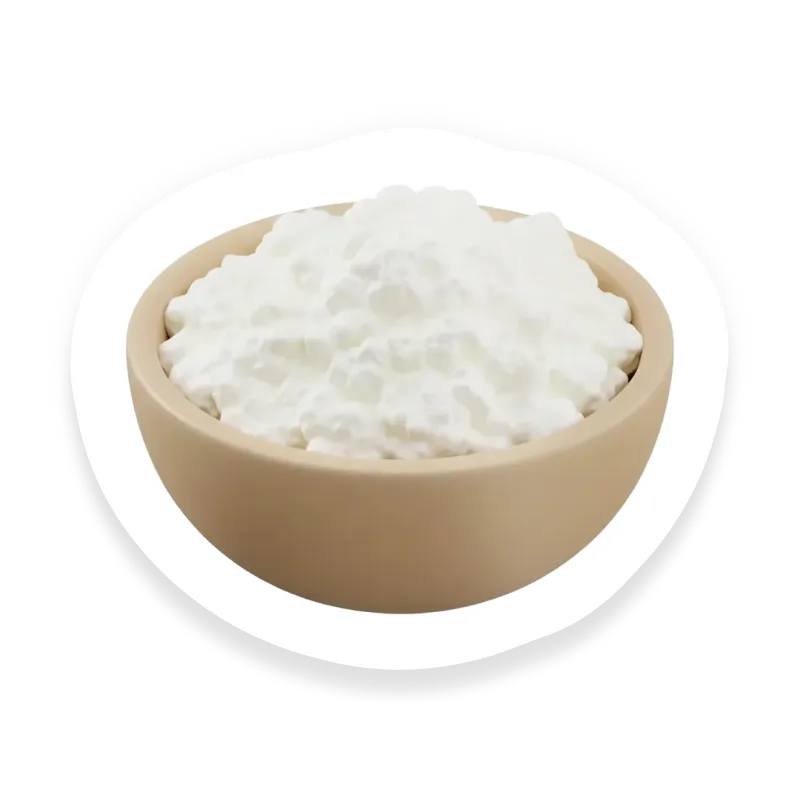
Yes, babies can eat paneer from around 6 months, using pasteurized varieties prepared safely.
Yes, but there are some things to know
At a Glance
Paneer is made from milk and can trigger reactions in people allergic to milk proteins. It is high in protein and rich in calcium, nutrients that support muscle and bone health.
How Do You Serve Paneer?
- 1Slice pasteurized paneer into long, thin rectangles about the width of two adult fingers pressed together so pieces are easy to hold.
- 2Offer paneer gently cooked (steamed or lightly pan-fried) or crumbled into soft finger foods like idli, bean balls, or fritters to make chewing easier.
- 3Fold crumbled paneer into stews or sauces so pieces stay soft and are easy to grasp, or cut larger pieces into matchstick-sized strips for self-feeding.
- 4Check temperature before serving and watch for choking — soft, small pieces reduce risk; avoid hard, dry edges and make sure pieces are bite-sized.
Is Paneer a Common Allergen?
Paneer is a fresh cheese made from cow or buffalo milk, so it contains milk proteins and lactose and should be treated as a dairy/allergen risk. If your child has a milk (dairy) allergy or lactose intolerance, avoid paneer; milk-protein allergy can cause hives, vomiting, breathing problems and other allergic reactions. Plain paneer does not ordinarily contain gluten, eggs, nuts, peanuts, soy, sesame, fish, shellfish or tree-nuts, but processed or restaurant-prepared dishes may introduce other allergens—always check labels and ask about preparation. Dairy-free alternatives (e.g., tofu or plant-based paneer) are available for children with dairy allergies.
What Nutrients Does Paneer Have?
Paneer is a concentrated source of protein, fat, calcium, selenium, zinc, and vitamins A and B12—nutrients that support muscle and brain development, bone growth, and overall energy for babies. It is not a good source of iron, so pair paneer with iron-rich foods and vitamin C to aid iron absorption. Because some paneer can be moderate in lactose and high in sodium and saturated fat, offer pasteurized paneer in moderation, watch portions, and avoid it if baby has a milk allergy or FPIES unless cleared by a doctor.
Is Paneer a Choking Hazard?
Low Choking Risk
Paneer can be firm and springy, which raises the risk of choking for infants and toddlers. When introducing it, remain within arm’s reach and closely monitor for gagging, coughing, or any signs of breathing difficulty. Make sure you know infant choking first aid and have emergency contacts readily available in case you need to act quickly.
Have More Questions?
Yes. When introducing paneer to babies, portion size should be small, roughly a teaspoon or two, and gradually increase as they become accustomed to the texture and chewing.
Yes. Freeze pureed or crumbled paneer in small portions to extend shelf life; just ensure proper storage and thaw safely before serving.
Yes. Organic paneer is made from milk produced without synthetic pesticides or fertilizers, but be sure to check for the 'organic' label when purchasing.
Yes. You can combine small amounts of paneer with fruits or vegetables to introduce new flavors and textures to your baby’s diet.
Yes. Typical portion sizes for toddlers are about 1-2 tablespoons of crumbled or cubed paneer per meal, depending on your child's appetite and tolerance.
Is Paneer safe for your baby?
Get personalized guidance on introducing Paneer — with prep tips, allergen alerts, and age-specific serving ideas.
Sources
- Does salt intake in the first two years of life affect the development of cardiovascular disorders in adulthood? doi.org
- Infants' and Children's Salt Taste Perception and Liking: A Review doi.org
- The epidemiology of milk allergy in US children doi.org
- Skin Testing With Water Buffalo's Milk in Children With Cow's Milk Allergy doi.org
- The challenge of cow milk protein allergy doi.org
- Paneer—An Indian soft cheese variant: a review doi.org
- Paneer production: A review doi.org
- Food protein-induced enterocolitis syndrome: a review of the new guidelines doi.org
- Food protein-induced enterocolitis syndrome and allergic proctocolitis doi.org
- Nutritional management of lactose intolerance: the importance of diet and food labelling doi.org
- Buffalo milk cheese (in Cheese, Fourth Edition) doi.org
What Other Dairy Can Babies Eat?
See all →
Backed by Science
Data you can trust.
Every food, guideline, and recommendation in Tummi is sourced from leading health institutions and peer-reviewed research.
 Centers for Disease Control and Prevention
Developmental milestones, nutrition guidelines, and allergen introduction timelines.
 American Academy of Pediatrics
Evidence-based feeding recommendations from the leading pediatric authority.
 National Institutes of Health
Peer-reviewed research on infant nutrition, allergies, and food safety.