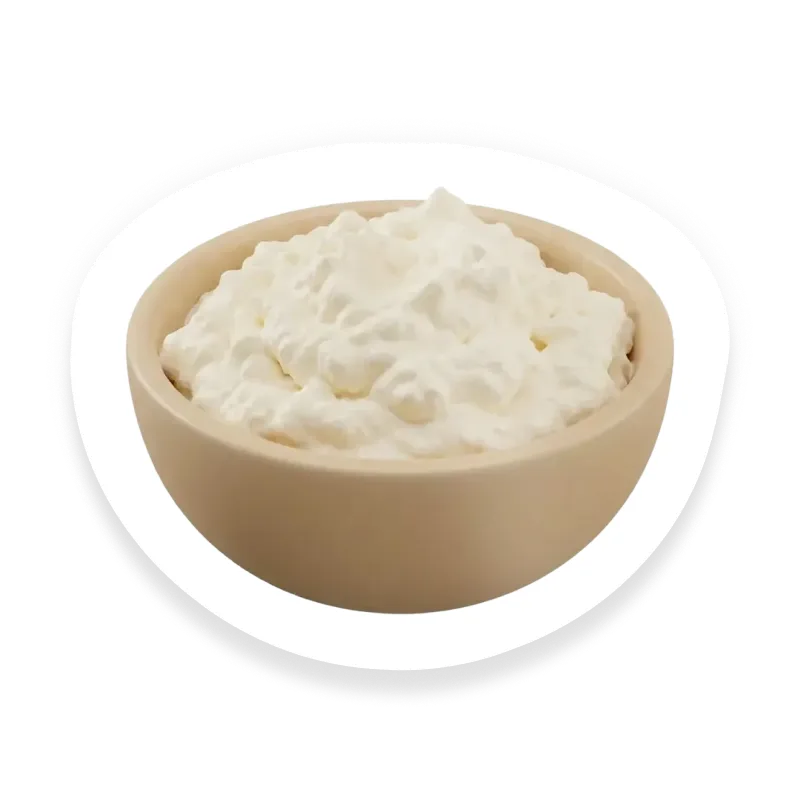
Quark
Dairy
Is Quark Safe for Babies?
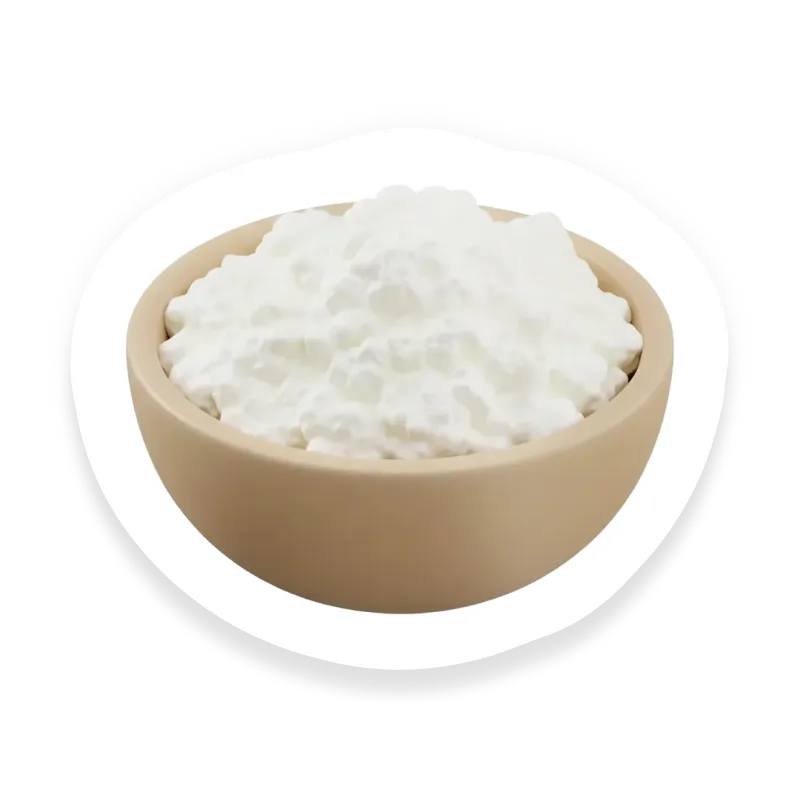
Yes, pasteurized quark can be introduced around 6 months as a low-sodium, creamy dairy option for babies starting solids.
Yes, but there are some things to know
At a Glance
Quark is made from cow’s milk and contains milk proteins like casein and whey that can trigger allergic reactions in people with milk allergy. It is high in protein and rich in calcium, which help support muscle repair and bone strength.
How Do You Serve Quark?
- 1Spread a thin layer of pasteurized quark on soft, bite-sized toast pieces or on sturdy vegetable strips so baby can hold and lick.
- 2Stir a small spoonful into mashed vegetables or soft scrambled egg to add creaminess and help introduce new flavours.
- 3Start with very small amounts (about a pea-sized smear) and increase gradually as your baby shows readiness; watch for gagging or allergic reactions.
- 4Use only pasteurized quark, avoid added sugars and honey, and remain within arm’s reach while your baby eats.
Is Quark a Common Allergen?
Quark is a fresh dairy (curd) cheese made from milk and therefore contains milk proteins. It is not suitable for anyone with a milk allergy or with severe lactose intolerance—avoid for infants and children with dairy allergies. Check product labels for added ingredients (e.g., fruits, nuts) and any cross-contamination warnings. When in doubt, consult your pediatrician or allergist.
What Nutrients Does Quark Have?
Quark is a protein-rich, calcium- and vitamin B12–containing soft cheese that also provides beneficial probiotics and—when made from buttermilk/cream—phospholipid-containing fats; it is typically lower in sodium than many other cheeses and can be a nutritious first cheese for babies when pasteurized and made from whole milk. These nutrients support growth, bone development, and gut health. Cautions: choose pasteurized quark, watch for cow’s-milk allergy or lactose sensitivity, and avoid letting large quantities of dairy displace iron-rich foods (excessive milk/dairy can contribute to iron deficiency in infants).
Is Quark a Choking Hazard?
Very Low Choking Risk
Quark is a spreadable, soft cheese and generally does not pose a high choking risk. However, very thin or sticky coatings can stick to a baby’s tongue and be hard to clear, so watch for textures that could be difficult to expel. Remember that any food can cause choking, so stay attentive and within reach during feeds.
Have More Questions?
Yes, parents can store quark in the refrigerator for up to 1-2 weeks if unopened, and for about 3-5 days once opened, maintaining proper cold storage.
Yes, you can freeze quark to extend its shelf life, typically for up to 2-3 months, but note that this may slightly alter the texture, making it less smooth.
Yes, many parents choose organic quark for their babies to avoid potential pesticides and additives found in conventional dairy products, although both are safe if pasteurized.
Yes, combining quark with fruits or vegetables can help introduce a variety of flavors and nutrients to your baby, supporting a balanced diet and taste development.
Portion sizes for babies vary, but generally, start with about 1-2 teaspoons of quark, gradually increasing as your baby shows readiness and interest, up to 2-3 tablespoons per feeding.
Is Quark safe for your baby?
Get personalized guidance on introducing Quark — with prep tips, allergen alerts, and age-specific serving ideas.
Sources
- Raw milk questions and answers - Centers for Disease Control and Prevention cdc.gov
- The dangers of raw milk - U.S. Food and Drug Administration fda.gov
- Evolution of phospholipid contents during the production of quark cheese from buttermilk - Journal of Dairy Science (Ferreiro et al., 2016) doi.org
- Health Benefits of Lactic Acid Bacteria (LAB) Fermentates - Nutrients (Mathur et al., 2020) doi.org
- The epidemiology of milk allergy in US children - Ann Allergy Asthma Immunol (Warren et al., 2013) doi.org
- The challenge of cow milk protein allergy - Small Ruminant Research (El-Agamy, 2007) doi.org
- Food protein-induced enterocolitis syndrome and allergic proctocolitis - Allergy Asthma Proc (Nowak-Węgrzyn, 2015) doi.org
- The effects of probiotics in lactose intolerance: A systematic review - Critical Reviews in Food Science and Nutrition (Oak & Jha, 2019) doi.org
- Quark-Type Cheese: Effect of Fat Content, Homogenization, and Heat Treatment of Cheese Milk - Foods (Lepesioti et al., 2021) doi.org
What Other Dairy Can Babies Eat?
See all →
Backed by Science
Data you can trust.
Every food, guideline, and recommendation in Tummi is sourced from leading health institutions and peer-reviewed research.
 Centers for Disease Control and Prevention
Developmental milestones, nutrition guidelines, and allergen introduction timelines.
 American Academy of Pediatrics
Evidence-based feeding recommendations from the leading pediatric authority.
 National Institutes of Health
Peer-reviewed research on infant nutrition, allergies, and food safety.