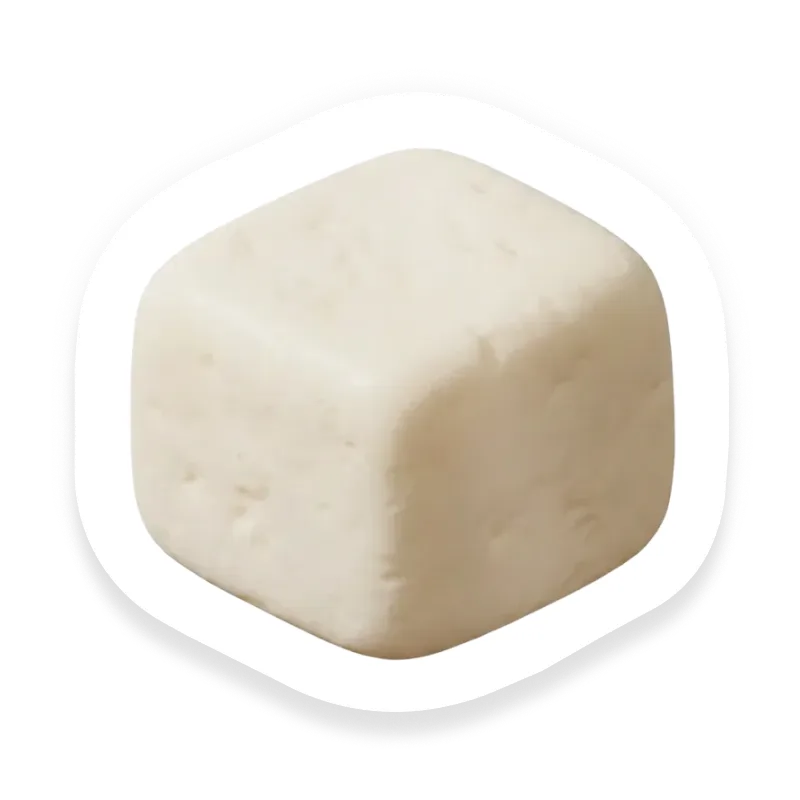
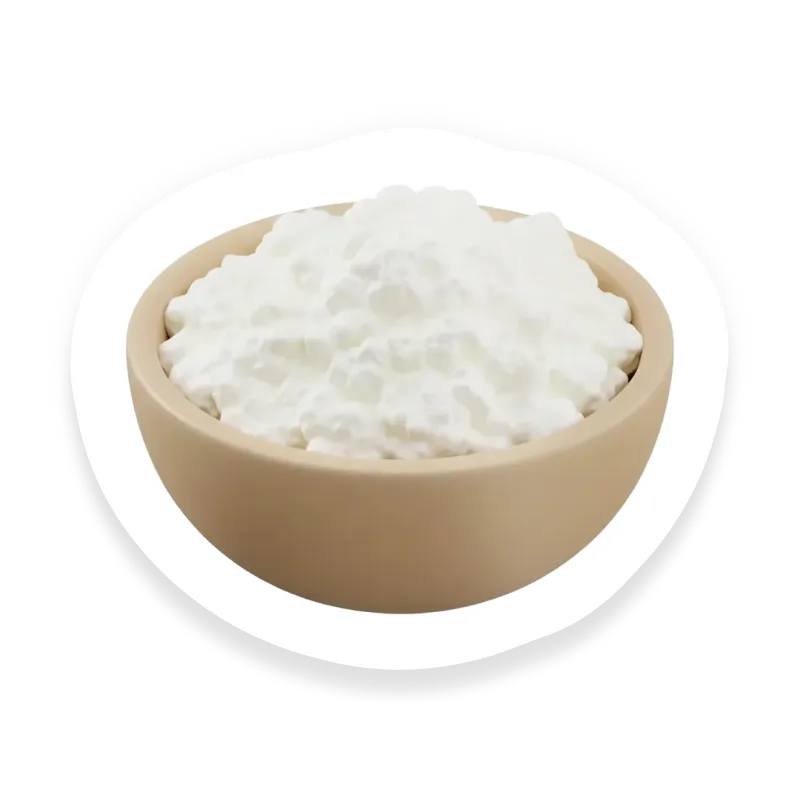
Queso Fresco
Dairy
Is Queso Fresco Safe for Babies?
No, queso fresco should only be introduced after 12 months and preferably in cooked or pasteurized form to reduce risk of bacteria.
Yes, but there are some things to know
At a Glance
Queso fresco is a cow's milk cheese that can trigger allergic reactions in people who are sensitive to milk proteins like casein and whey. It is also high in calcium and a complete protein source, giving bone-supporting calcium and essential amino acids.
How Do You Serve Queso Fresco?
- 1Avoid giving queso fresco to infants under 12 months because it’s often made from unpasteurized milk and can carry harmful bacteria.
- 2Use only pasteurized queso fresco if offered and check the label; prefer low-sodium options when available.
- 3Serve very small amounts mixed into soft foods (e.g., mashed vegetables or avocado) so you can monitor salt intake and any reaction.
- 4If your baby has a weakened immune system or you’re uncertain, consult your pediatrician before offering any soft or fresh cheeses.
Is Queso Fresco a Common Allergen?
Queso fresco is a fresh milk cheese and contains milk proteins—avoid if your child has a milk/dairy allergy. Pasteurization does not remove the milk proteins that trigger allergic reactions, so ‘pasteurized’ queso can still cause reactions in milk-allergic individuals. Soft fresh quesos (especially unpasteurized or homemade) have been linked to Listeria; pregnant people, infants, older adults, and immunocompromised individuals should avoid them unless clearly labeled “made with pasteurized milk.” For young children, choose pasteurized products and do not give queso fresco to anyone with a milk allergy.
What Nutrients Does Queso Fresco Have?
Queso fresco supplies protein and is a good source of calcium and vitamin B12, with additional zinc and selenium—nutrients that support growth, bone development, and immune/nervous system maturation. However, it’s relatively high in saturated fat and sodium and can carry a foodborne-illness risk if unpasteurized, so serve pasteurized queso fresco in small amounts after 12 months and avoid frequent or large servings to prevent excess sodium/fat intake. Introduce in small crumbles to watch for milk allergy and to reduce choking risk.
Is Queso Fresco a Choking Hazard?
Very Low Choking Risk
Queso fresco can pose a choking risk for babies despite its crumbly texture being somewhat less likely to form large pieces. Stay within arm’s reach and keep baby seated upright and supervised during meals so you can respond immediately if gagging or choking occurs. Make mealtimes calm and focused, and ensure caregivers know basic choking first aid.
Have More Questions?
No. Due to its moderate sodium levels and the potential risk of foodborne illness from unpasteurized milk, queso fresco is best introduced after a child's first birthday and with caution.
Queso fresco originates from Central and South America; it is a fresh, unripened cheese commonly used in Mexican cuisine, with traditional methods often involving raw milk.
No. Queso fresco contains a fair amount of sodium and has a risk of foodborne illness, so it's best to serve it in moderation and ensure it is pasteurized.
No. Cheese is generally high in fat and low in fiber, which can contribute to constipation in babies, but pooping patterns vary; consult your pediatrician for concerns.
Yes, but with caution. Queso fresco can be a choking hazard due to its crumbly texture, so serve in small, manageable pieces and always supervise your baby while eating.
Is Queso Fresco safe for your baby?
Get personalized guidance on introducing Queso Fresco — with prep tips, allergen alerts, and age-specific serving ideas.
Sources
- Microbial analysis of commercially available US Queso Fresco (Holle et al., J Dairy Sci, 2018) doi.org
- Listeria prevention (Centers for Disease Control and Prevention, 2022) cdc.gov
- Listeria: Pregnant women (Centers for Disease Control and Prevention) cdc.gov
- Early Exposure to Dietary Sugar and Salt (Baker & Baker, Pediatrics, 2015) doi.org
- Dietary Reference Intakes for Sodium and Potassium (National Academies, 2019) nap.edu
- Dangers of raw milk (U.S. Food & Drug Administration) fda.gov
- Choking Prevention (HealthyChildren.org, 2019) healthychildren.org
- The epidemiology of milk allergy in US children (Warren et al., Ann Allergy Asthma Immunol, 2013) doi.org
- Cow’s milk protein allergy (Mukkada, GI Kids, 2019) gikids.org
- The natural history of milk allergy (Wood et al., J Allergy Clin Immunol, 2013) doi.org
- Food protein-induced enterocolitis syndrome and allergic proctocolitis (Nowak-Węgrzyn, Allergy Asthma Proc, 2015) doi.org
- Food Protein-Induced Enterocolitis Syndrome (National Organization for Rare Disorders, 2019) rarediseases.org
What Other Dairy Can Babies Eat?
See all →
Backed by Science
Data you can trust.
Every food, guideline, and recommendation in Tummi is sourced from leading health institutions and peer-reviewed research.
 Centers for Disease Control and Prevention
Developmental milestones, nutrition guidelines, and allergen introduction timelines.
 American Academy of Pediatrics
Evidence-based feeding recommendations from the leading pediatric authority.
 National Institutes of Health
Peer-reviewed research on infant nutrition, allergies, and food safety.