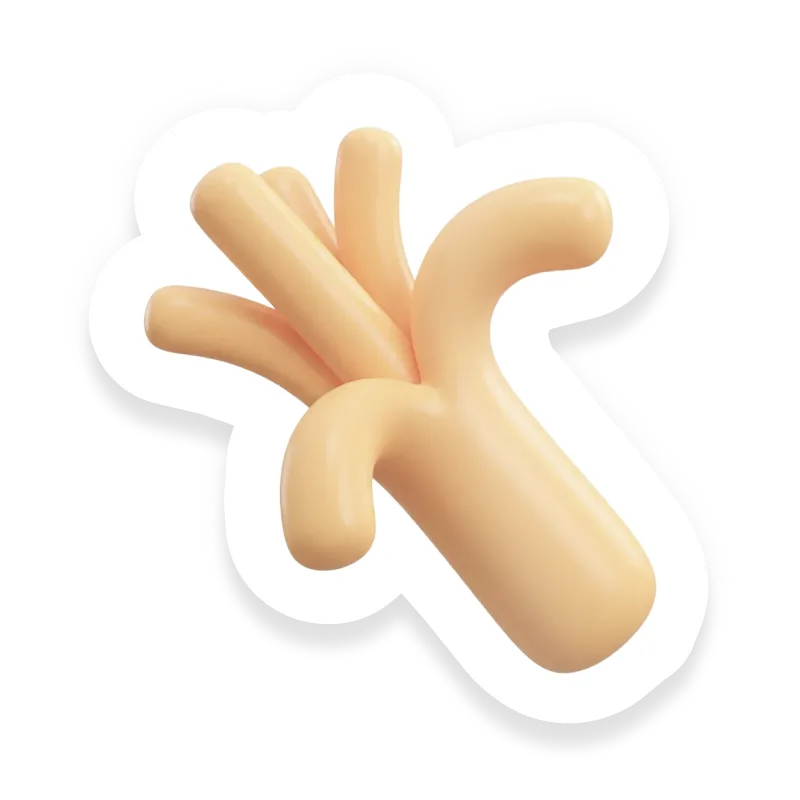
String Cheese
Dairy
Is String Cheese Safe for Babies?
No, babies should wait until after their first birthday to eat string cheese due to choking risks; ensure it is modified to reduce hazards.
Yes, but there are some things to know
At a Glance
String cheese is made from cow's milk and contains milk proteins like casein and whey, which can cause allergic reactions in sensitive people. It also provides easily absorbed calcium and protein that help build strong bones and repair muscles.
How Do You Serve String Cheese?
- 1Avoid serving whole string cheese sticks because their rubbery texture, slick surface, and rounded shape create a high choking risk.
- 2Instead offer cheese that’s finely shredded, grated, or melted into other foods so it can’t form a slippery, round piece.
- 3When introducing cheese earlier, choose pasteurized, low-sodium varieties and serve very small amounts to limit salt intake.
- 4Always have the child sit upright and be closely supervised while eating; cut or mash foods into small, manageable pieces.
Is String Cheese a Common Allergen?
Contains milk (made from pasteurized cow’s milk — typically low‑moisture part‑skim mozzarella). Not safe for anyone with a milk (dairy) allergy; it contains milk proteins and lactose. Check the package for “Contains: Milk” and any cross‑contact warnings (manufacturers may process other allergens). For lactose intolerance some people tolerate small amounts, but this product is not milk‑free.
What Nutrients Does String Cheese Have?
String cheese (one ~28 g stick) is a concentrated source of calcium (roughly 140–200 mg, ~10–15% DV) and provides about 6–7 g of protein per stick—nutrients that support bone growth and overall development. It also supplies vitamin B12, zinc and phosphorus, which help brain development and red blood cell formation. However, prepackaged string cheese is moderately high in sodium (~170–200 mg per stick), so limit portions for infants and introduce after 12 months as part of a balanced diet.
Is String Cheese a Choking Hazard?
Low Choking Risk
String cheese poses a high choking risk because its rubbery consistency, slick exterior, and rounded shape can block a young child’s airway. Parents should generally avoid offering it before about 12 months and be extra cautious when introducing it afterward. Keep close supervision during meals and be aware this texture is particularly hazardous for younger infants.
Have More Questions?
It depends. String cheese can be introduced to babies after their first birthday, but due to choking risks, it should be modified into thin strips and served cautiously.
It depends. While some soft cheeses are suitable for babies over 6 months, string cheese itself is best avoided before age 12 months because of its high sodium and choking hazard.
It depends. Always serve string cheese in small, manageable strips, and supervise your baby chewing to prevent choking.
It depends. String cheese is high in sodium, so it's best to limit servings for toddlers and avoid frequent use as a primary snack.
It depends. Always check labels for pasteurization and sodium content, and serve in small portions to prevent choking and manage salt intake.
Is String Cheese safe for your baby?
Get personalized guidance on introducing String Cheese — with prep tips, allergen alerts, and age-specific serving ideas.
Sources
- Early Exposure to Dietary Sugar and Salt doi.org
- Dietary Reference Intakes for Sodium and Potassium doi.org
- The epidemiology of milk allergy in US children doi.org
- The challenge of cow milk protein allergy doi.org
- The natural history of milk allergy in an observational cohort doi.org
- Food protein-induced enterocolitis syndrome and allergic proctocolitis doi.org
- Food Protein-Induced Enterocolitis Syndrome (NORD) rarediseases.org
- Living with lactose intolerance (InformedHealth/IQWiG) informedhealth.org
What Other Dairy Can Babies Eat?
See all →






Backed by Science
Data you can trust.
Every food, guideline, and recommendation in Tummi is sourced from leading health institutions and peer-reviewed research.
 Centers for Disease Control and Prevention
Developmental milestones, nutrition guidelines, and allergen introduction timelines.
 American Academy of Pediatrics
Evidence-based feeding recommendations from the leading pediatric authority.
 National Institutes of Health
Peer-reviewed research on infant nutrition, allergies, and food safety.