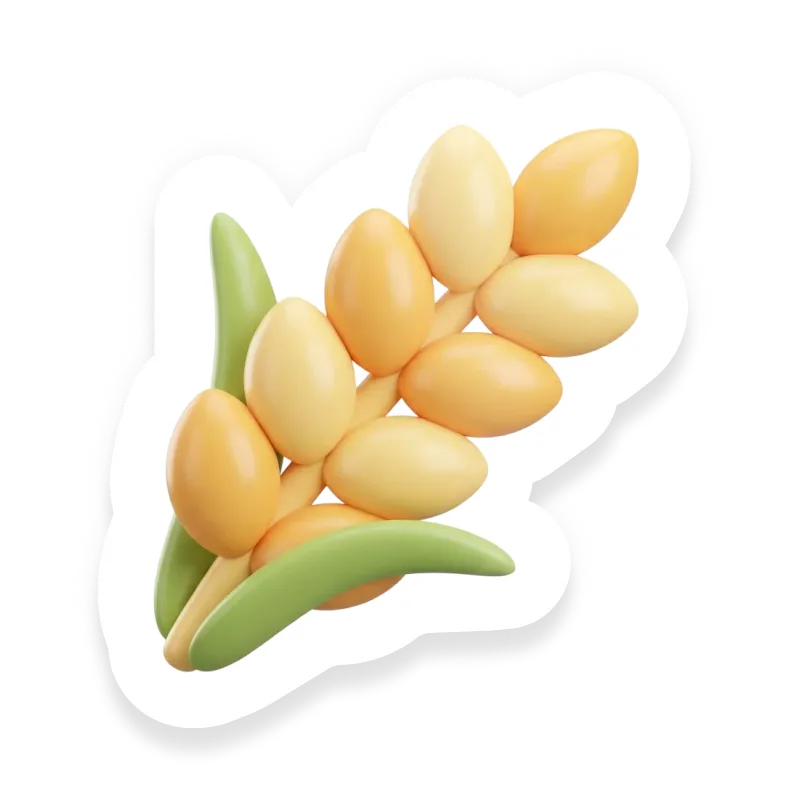
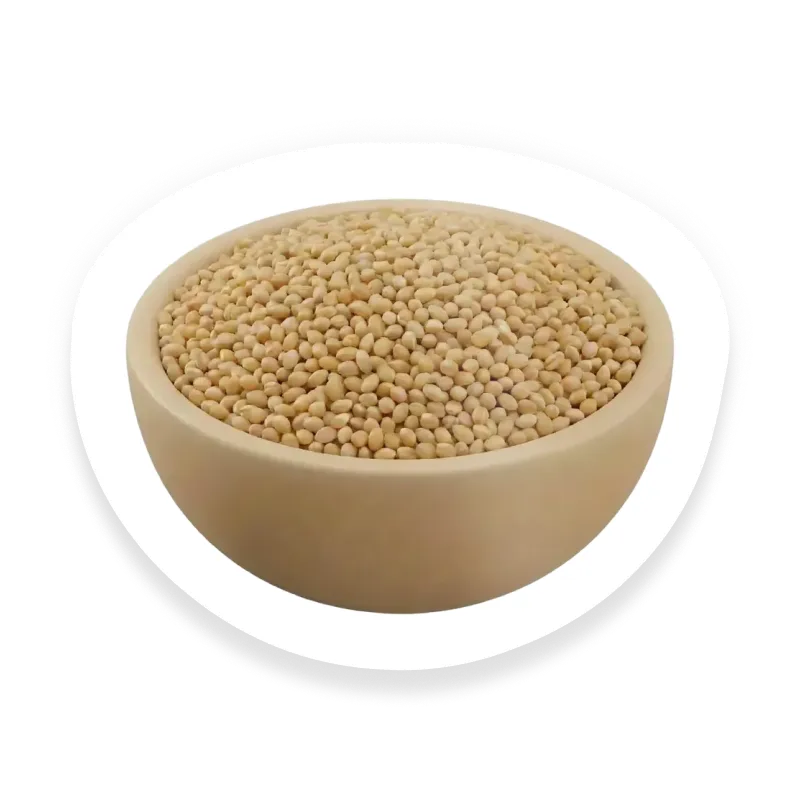
Barley
Grain
Is Barley Safe for Babies?
Yes, barley can be introduced around 6 months of age as long as it's prepared properly and your baby shows readiness for solids.
Yes, but there are some things to know
At a Glance
Barley helps keep digestion regular because it is rich in fiber, especially beta‑glucan, which feeds good bacteria and adds gentle bulk to stool. It also provides vitamins, minerals, and whole-grain nutrients that support healthy digestion.
Barley can cause reactions in people with gluten sensitivity because it contains gluten proteins like hordein that trigger immune or allergic responses. It is also a nutritious whole grain, rich in fiber, especially beta‑glucan, and provides B vitamins and minerals that support heart and digestive health.
How Do You Serve Barley?
- 1Make a smooth barley porridge by cooking rolled barley or barley flour in water or breastmilk/formula until very soft, then blend or whisk to a silky, lump-free consistency.
- 2Add flavor and nutrition by stirring in a small amount of mashed fruit, pureed vegetables, or finely ground nuts; introduce one new ingredient at a time to monitor for allergic reactions.
- 3Start with a runny texture and thicken gradually as chewing skills develop—avoid lumps, whole grains, or sticky pastes that could cause choking.
- 4Offer a thin, supervised strip of toasted bread or crust held by an adult for chewing practice. As a safety rule, never place food into the baby's mouth; discard bread that becomes soft and sticky.
Is Barley a Common Allergen?
Barley contains gluten and should be avoided by anyone with celiac disease or non‑celiac gluten sensitivity. Common sources include barley grains, pearl barley, barley flour, malt and malt extract (found in beer, malted products, some soups and processed foods). Parents should check ingredient lists for barley, malt, hydrolyzed barley or ‘‘natural flavors’’ that may include barley, and be alert for cross‑contact during processing. If your child needs a gluten‑free diet, avoid barley-containing products and contact manufacturers when ingredient lists are unclear.
What Nutrients Does Barley Have?
Barley supplies energy from carbohydrates and a modest amount of plant protein, plus soluble fiber—especially beta‑glucan—that supports healthy digestion and immune function. It provides B vitamins (including B6 and folate), zinc, vitamin E, and small amounts of iron, but is not a reliable iron-rich food for babies, so pair it with iron-rich options. Excessive intake (very high fiber) can cause gas, fullness, or reduce mineral absorption, so offer age-appropriate portions and textures and introduce alongside iron-rich foods.
Is Barley a Choking Hazard?
Very Low Choking Risk
Barley grains are small and, while unlikely to completely block the airway, they can be aspirated in infants under 12 months and pose an aspiration risk. Keep baby within arm’s reach, stay attentive during meals, and prioritize allowing safe self-feeding rather than placing food directly into their mouth. Know the signs of choking and how to perform infant choking first aid so you can act quickly if needed.
Have More Questions?
It depends. Young babies' stomachs may not handle barley well initially, so introduce it gradually in small amounts once they are used to solids, typically around 6-8 months.
It depends. You can store cooked barley in the refrigerator for up to 3-4 days or freeze cooked portions for longer storage, typically up to 3 months.
It depends. Organic barley is grown without synthetic pesticides and fertilizers, but both organic and conventional barley can be nutritious for babies; choose based on your preferences.
It depends. Combining barley with other grains, vegetables, or fruits can provide a more balanced meal for your baby, but introduce new foods gradually to monitor for reactions.
It depends. Babies typically eat small portions, about 1-2 tablespoons of cooked grain per feeding, increasing as they grow and their appetite develops.
Is Barley safe for your baby?
Get personalized guidance on introducing Barley — with prep tips, allergen alerts, and age-specific serving ideas.
Sources
- Nutraceutical functions of beta-glucans in human nutrition doi.org
- Bioactive phytochemicals in barley doi.org
- Risk Assessment of Food Allergens (FAO/WHO, 2022) fao.org
- Molecular and immunological characterization of Tri a 36, a low molecular weight glutenin, as a novel major wheat food allergen doi.org
- Grain allergy: Allergens and grain classification (UpToDate) uptodate.com
- Wheat Allergy (Food Allergy Research & Education) foodallergy.org
- Wheat Allergy (American College of Allergy, Asthma & Immunology) acaai.org
- Food-Dependent, Exercise-Induced Anaphylaxis: Diagnosis and Management in the Outpatient Setting doi.org
- Oral Allergy Syndrome: An Update for Stomatologists doi.org
- Choking Hazards (CDC) cdc.gov
- What is Celiac Disease? (Celiac Disease Foundation) celiac.org
- Center for Celiac Research: Celiac Disease FAQ (Massachusetts General Hospital) massgeneral.org
- Diagnosis of gluten related disorders: Celiac disease, wheat allergy and non-celiac gluten sensitivity doi.org
What Other Grain Can Babies Eat?
See all →
Backed by Science
Data you can trust.
Every food, guideline, and recommendation in Tummi is sourced from leading health institutions and peer-reviewed research.
 Centers for Disease Control and Prevention
Developmental milestones, nutrition guidelines, and allergen introduction timelines.
 American Academy of Pediatrics
Evidence-based feeding recommendations from the leading pediatric authority.
 National Institutes of Health
Peer-reviewed research on infant nutrition, allergies, and food safety.