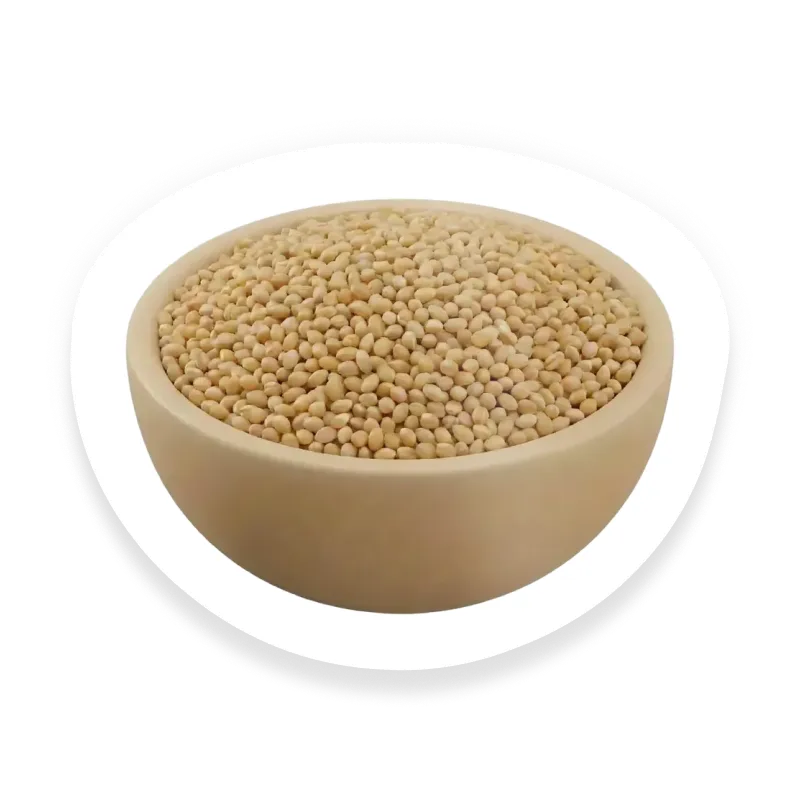
Fonio
Grain
Is Fonio Safe for Babies?
Yes, fonio can be introduced around 6 months of age once baby is ready for solids, and should be cooked to a soft, mashable texture.
Yes, but there are some things to know
At a Glance
Fonio is a small West African grain that is a good source of iron and other minerals that help prevent deficiency. Its mineral content — especially iron — and its easily digested starches and protein support blood health.
Fonio is rich in fiber and contains resistant starch, which slow digestion and help feed beneficial gut bacteria. Those bacteria ferment these fibers into short‑chain fatty acids like butyrate that support healthy digestion and regular bowel movements.
How Do You Serve Fonio?
- 1Cook fonio in simmering water until very soft and scoopable; drain any excess liquid so grains aren’t runny.
- 2Stir warm, cooked fonio into soft, mashed vegetables, stewed greens, or yogurt so the tiny grains bind and form an easy-to-scoop texture.
- 3Make a porridge by thinning hot cooked fonio with warm breastmilk, formula, or water to a smooth, spoonable consistency; test temperature before feeding.
- 4To use as a binder in gentle-texture recipes (dosa batter, fritters, pancakes), mash or pulse softened fonio until smooth and fold into the batter for a cohesive, scoopable result.
- 5If the mixture is still too loose, mash slightly or add a splash of liquid a little at a time until it clings together; serve warm and check for small, safe portions.
Is Fonio a Common Allergen?
Fonio is a naturally gluten-free ancient grain and is not listed among common major allergens (milk, eggs, peanuts, tree nuts, soy, fish, shellfish, sesame, or wheat). That said, any food can rarely cause an allergy—introduce fonio slowly and watch for signs of a reaction. Also check product labels for processing/contact allergen warnings, since cross-contact in facilities can occur. If your child has severe allergies, consult your pediatrician or an allergist before offering fonio.
What Nutrients Does Fonio Have?
Fonio is a nutrient-dense, gluten-free grain that supplies carbohydrates for energy, plus protein and fiber to support growth and digestion. It is a good source of iron, calcium, magnesium, zinc, and B vitamins—nutrients important for red blood cell production, bone development, metabolism, immune function, and brain growth—along with antioxidants and polyphenols that may support cellular repair. There’s no typical risk of 'too much' from normal servings, but relying on fonio alone can crowd out other nutrient sources; monitor overall iron intake if baby also receives iron supplements. Introduce gradually and keep a varied diet to ensure balanced nutrition.
Is Fonio a Choking Hazard?
Very Low Choking Risk
Cooked fonio is generally low choking risk, but the tiny, loose grains can scatter in the mouth and may trigger gagging or coughing in some babies. As with any food, remain within arm’s reach during meals and watch closely for signs of gagging or choking. Make sure you're familiar with infant choking first aid so you’re prepared.
Have More Questions?
Yes. Fonio is a safe, gluten-free grain suitable for babies starting at 6 months, and it provides essential nutrients to support growth and development.
Yes. Fonio is healthy for babies, offering carbohydrates, fiber, protein, and minerals like iron and calcium, which support overall growth and digestive health.
No. Fonio is not a common allergen, but millet allergies are rare. Always introduce new foods gradually and monitor for reactions.
No. Cooked fonio has a low choking risk when prepared and served appropriately for your baby's age and developmental stage.
No special utensils are needed to introduce fonio; it can be served on a plate or bowl, allowing babies to explore with their hands.
Is Fonio safe for your baby?
Get personalized guidance on introducing Fonio — with prep tips, allergen alerts, and age-specific serving ideas.
Sources
- Fatty acid, amino acid, mineral and antioxidant contents of acha (Digitaria exilis) grown on the Jos Plateau, Nigeria doi.org
- Fonio grains: Physicochemical properties, nutritional potential, and food applications doi.org
- Immediate-type respiratory allergy to millet-containing seed mixture of bird food doi.org
- Common millet anaphylaxis: a case of a bird-keeper sensitized to millet via inhalation, who developed anaphylaxis after oral ingestion doi.org
- Allergy to millet: another risk for atopic bird keepers doi.org
- 16-kilodalton rice protein is one of the major allergens in rice grain extract and responsible for cross-allergenicity between cereal grains in the Poaceae family doi.org
- Food allergy to millet and cross-reactivity with rice, corn and other cereals doi.org
- Health benefits of finger millet (Eleusine coracana L.) polyphenols and dietary fiber: a review doi.org
What Other Grain Can Babies Eat?
See all →
Backed by Science
Data you can trust.
Every food, guideline, and recommendation in Tummi is sourced from leading health institutions and peer-reviewed research.
 Centers for Disease Control and Prevention
Developmental milestones, nutrition guidelines, and allergen introduction timelines.
 American Academy of Pediatrics
Evidence-based feeding recommendations from the leading pediatric authority.
 National Institutes of Health
Peer-reviewed research on infant nutrition, allergies, and food safety.