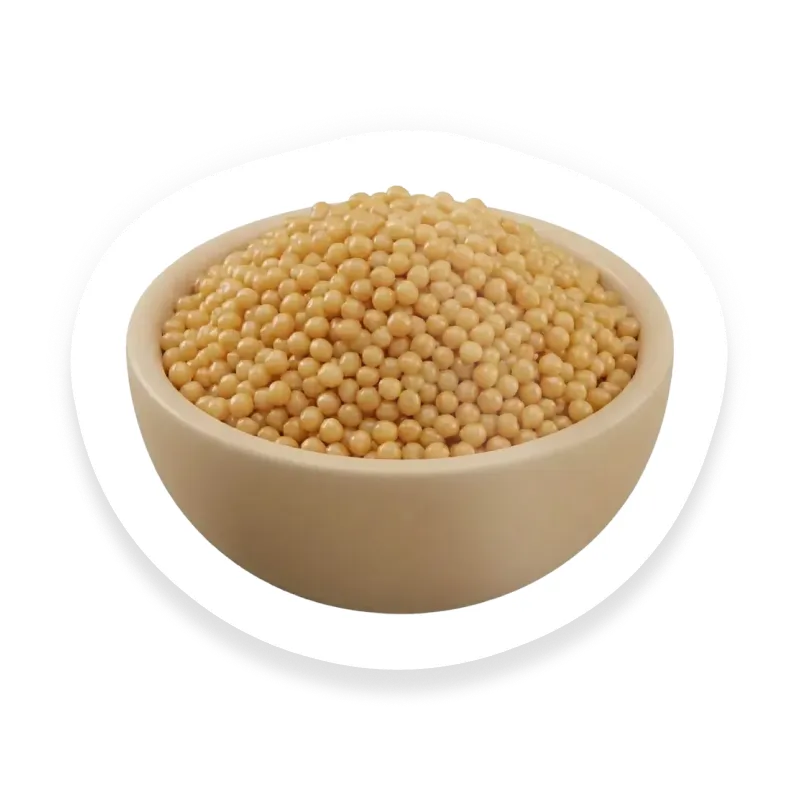
Couscous
Grain
Is Couscous Safe for Babies?
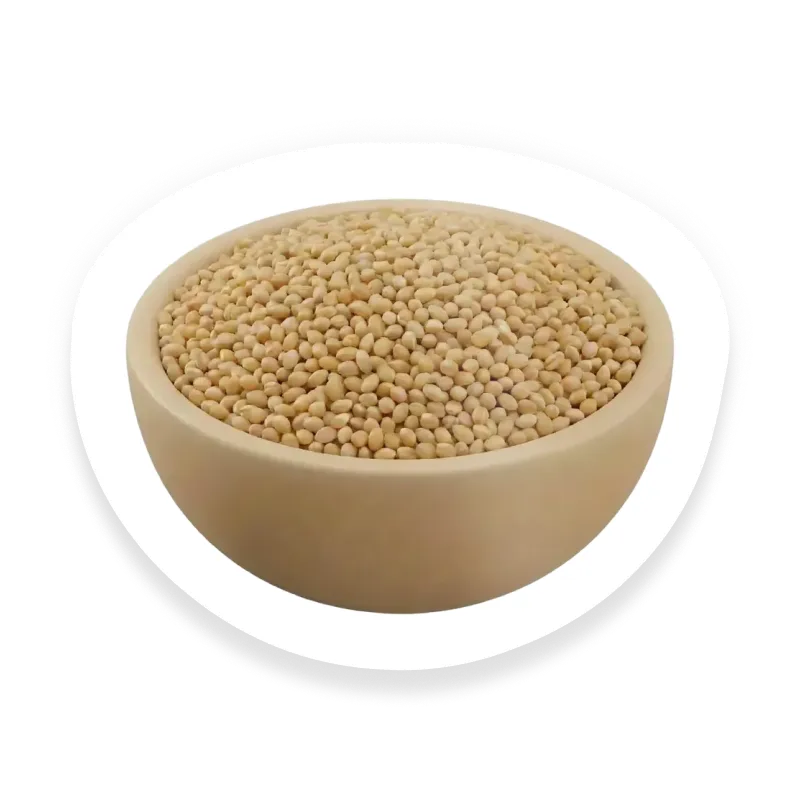
Yes, couscous can be introduced to babies around 6 months of age, starting with a small amount, especially if they are ready for solids and no wheat allergy is suspected.
Yes, but there are some things to know
At a Glance
Couscous is made from durum wheat semolina, so it contains gluten and can cause reactions in people with wheat or gluten sensitivities. It is a source of selenium and gives quick energy plus some plant-based protein.
How Do You Serve Couscous?
- 1Cook couscous until very soft and fluffy; break apart with a fork or mash lightly to remove lumps so it’s easy to swallow.
- 2Offer a very small spoonful at first (about 1–2 teaspoons) and wait a few days before offering again to watch for any reaction.
- 3Keep it plain for initial feedings—no salt, sugar, or strong spices—and thin with breastmilk, formula, or a little pureed fruit/veg for familiar flavor and smoother texture.
- 4Couscous contains wheat, so watch for allergy signs such as hives, vomiting, swelling, or difficulty breathing and contact your pediatrician immediately if they occur.
- 5Store leftovers in the fridge for up to 48 hours and reheat thoroughly, checking temperature before serving.
Is Couscous a Common Allergen?
Couscous is made from durum wheat semolina and contains gluten, so it is unsafe for anyone with celiac disease or a gluten allergy. It typically does not contain dairy, eggs, nuts, peanuts, soy, sesame, fish, or shellfish, but always check packaging and preparation notes for added ingredients and cross-contact warnings. For children with severe gluten sensitivity, opt for labeled gluten-free alternatives (e.g., rice or corn-based) and confirm preparation methods.
What Nutrients Does Couscous Have?
Couscous is primarily a carbohydrate-rich grain that provides quick energy and a small amount of plant protein; a cooked cup has ~170–180 kcal, ~3–6 g protein, very low fat, and ~35 g carbs. Whole-grain or enriched couscous adds fiber, B vitamins and some iron—nutrients that support growth and energy and can help when paired with protein. For babies, it’s a useful energy-dense base but should be served alongside iron-rich and fatty foods (meat, legumes, full-fat yogurt, or vitamin C–rich fruits) to boost iron absorption and provide balanced nutrition. Avoid over-reliance—large portions can displace higher-iron/fat foods and whole grains’ phytates may reduce iron absorption—so serve in moderation and as part of varied meals.
Is Couscous a Choking Hazard?
Very Low Choking Risk
Couscous can pose a choking risk since the tiny beads may get trapped in the mouth or left behind, and larger pearl-size varieties (like Lebanese moghrabieh) are more hazardous. Keep your baby in an upright, calm eating environment and stay within arm’s reach so you can respond quickly if they gag or choke. If your baby has persistent difficulty breathing, turning blue, or loses consciousness, call emergency services immediately.
Have More Questions?
Yes, you can store cooked couscous in an airtight container in the refrigerator for up to 24 hours. For longer storage, it can be frozen and reheated as needed.
Yes, it is safe to freeze uncooked couscous in an airtight container. When ready to use, cook directly from frozen or thaw in the refrigerator before preparing.
It depends. For babies under 12 months, choose organic couscous when possible, and select whole grain versions for added fiber and nutrients. Always consider your child's dietary needs.
Yes, you can combine couscous with pureed or chopped vegetables and proteins to create nutritious meals for your baby, gradually increasing variety and textures as they develop.
It depends. Serving sizes for babies start small, such as a teaspoon or tablespoon, and increase as your child grows and shows readiness for larger portions.
Is Couscous safe for your baby?
Get personalized guidance on introducing Couscous — with prep tips, allergen alerts, and age-specific serving ideas.
Sources
- Food Allergy Research & Education — Common Allergens foodallergy.org
- Ram H., Rashid A., Zhang W., et al. — Biofortification (Plant Soil, 2016) doi.org
- Celiac Disease Foundation — What is Celiac Disease? celiac.org
- Massachusetts General Hospital — Center for Celiac Research / Celiac Disease FAQ massgeneral.org
- Elli L., Branchi F., Tomba C., et al. — Diagnosis of gluten related disorders (World J Gastroenterol, 2015) doi.org
- Food Allergy Research & Education — Wheat Allergy foodallergy.org
- Kashyap RR & Kashyap RS — Oral Allergy Syndrome (Journal of Allergy, 2015) doi.org
- Feldweg AM — Food-Dependent, Exercise-Induced Anaphylaxis (J Allergy Clin Immunol Pract, 2017) doi.org
- American College of Allergy, Asthma & Immunology — Wheat Allergy acaai.org
What Other Grain Can Babies Eat?
See all →
Backed by Science
Data you can trust.
Every food, guideline, and recommendation in Tummi is sourced from leading health institutions and peer-reviewed research.
 Centers for Disease Control and Prevention
Developmental milestones, nutrition guidelines, and allergen introduction timelines.
 American Academy of Pediatrics
Evidence-based feeding recommendations from the leading pediatric authority.
 National Institutes of Health
Peer-reviewed research on infant nutrition, allergies, and food safety.