Einkorn
Grain
Is Einkorn Safe for Babies?
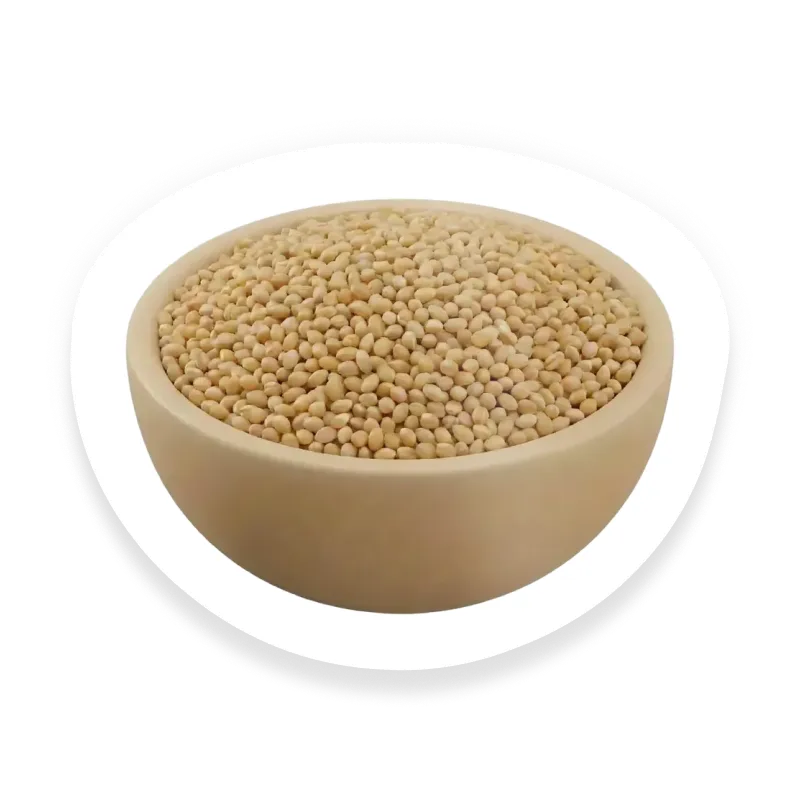
Yes, einkorn can be introduced around 6 months of age, once baby is ready to start solids, as it is allergen-free and nutritious.
Yes, but there are some things to know
At a Glance
Einkorn often has higher iron content than many modern wheats, so whole-grain einkorn can help boost dietary iron intake. Its intact bran and traditional fermentation also support more mineral retention, which can make the iron easier for the body to use.
Einkorn contains prebiotic fructans and resistant starch that add gentle bulk and can make stools softer and more regular. Those fibers also feed good bacteria in the gut, helping digestion stay smooth and healthy.
Einkorn is a form of wheat that contains wheat proteins which can trigger allergic or immune reactions in people with wheat sensitivity or celiac disease. It is also rich in carotenoids and provides higher levels of protein and minerals, giving it antioxidant and nutritional benefits.
How Do You Serve Einkorn?
- 1Cook einkorn grains in water or milk until very soft and breaking apart—about 20–40 minutes—stirring occasionally to prevent sticking.
- 2Thin to a smooth, spoonable porridge using breastmilk, formula, or plant milk so it’s easy to swallow.
- 3Season lightly with a small smear of butter or ghee or a pinch of cinnamon; avoid adding salt or sugar.
- 4For finger foods, mash or finely flake the cooked einkorn and mix with soft cooked vegetables or ground meat, then form into soft balls, small fritters, or thick pancake strips that baby can grasp.
- 5Always check temperature and texture; it should be soft and easily squashed between your fingers—remove hard pieces before serving.
Is Einkorn a Common Allergen?
Einkorn is an ancient wheat and contains gluten, so it should be avoided by infants or individuals with celiac disease, gluten intolerance, or wheat allergy. It is not inherently a dairy, egg, peanut, tree nut, soy, sesame, fish, or shellfish allergen, but check packaging for cross-contact warnings as processing facilities may handle other allergens. If introducing to a child with a family history of allergies, consult your pediatrician before offering einkorn-based foods.
What Nutrients Does Einkorn Have?
Nutrient snapshot: Einkorn is higher than many modern wheats in protein, iron and zinc, and provides B vitamins (including folate and B6), vitamin E/lutein (antioxidant carotenoids), and modest fiber/resistant starch. These nutrients support babies’ growth and brain development (iron, zinc, B vitamins), healthy digestion (fiber/resistant starch), and antioxidant protection (vitamin E/lutein). Because einkorn is a wheat, it contains gluten and can trigger wheat allergy or celiac disease — also phytates in whole grains can reduce mineral absorption, so serve as part of a varied diet and pair with vitamin C–rich foods to improve iron uptake. In typical portions for infants it’s beneficial; excessive intake of any single grain could displace other nutrient sources or cause gas/constipation in sensitive infants.
Is Einkorn a Choking Hazard?
Very Low Choking Risk
Einkorn isn’t typically a common choking hazard, but individual whole grains can be an aspiration risk for young babies. Stay within arm’s reach and watch closely for gagging, persistent coughing, or any signs of airway distress so you can respond quickly if swallowing becomes difficult. If your baby has known swallowing issues or you’re unsure about their feeding skills, consult your pediatrician or a feeding specialist before offering grains.
Have More Questions?
Yes. You can store cooked einkorn in an airtight container in the refrigerator for up to 2 days, or freeze cooked portions for longer storage, up to 3 months.
Yes. You can prepare einkorn in advance and freeze it in small portions, making it easy to serve fresh-tasting meals for your baby.
Yes. Choosing organic einkorn can reduce your baby's exposure to pesticides and other chemicals compared to conventional einkorn.
It depends. Combining einkorn with other grains, fruits, or vegetables can introduce variety and new flavors, but introduce new foods separately to monitor for reactions.
It depends. Typical portion sizes for babies start around 1-2 tablespoons of cooked einkorn, gradually increasing as your baby grows and accepts new textures.
Is Einkorn safe for your baby?
Get personalized guidance on introducing Einkorn — with prep tips, allergen alerts, and age-specific serving ideas.
What Other Grain Can Babies Eat?
See all →
Backed by Science
Data you can trust.
Every food, guideline, and recommendation in Tummi is sourced from leading health institutions and peer-reviewed research.
 Centers for Disease Control and Prevention
Developmental milestones, nutrition guidelines, and allergen introduction timelines.
 American Academy of Pediatrics
Evidence-based feeding recommendations from the leading pediatric authority.
 National Institutes of Health
Peer-reviewed research on infant nutrition, allergies, and food safety.