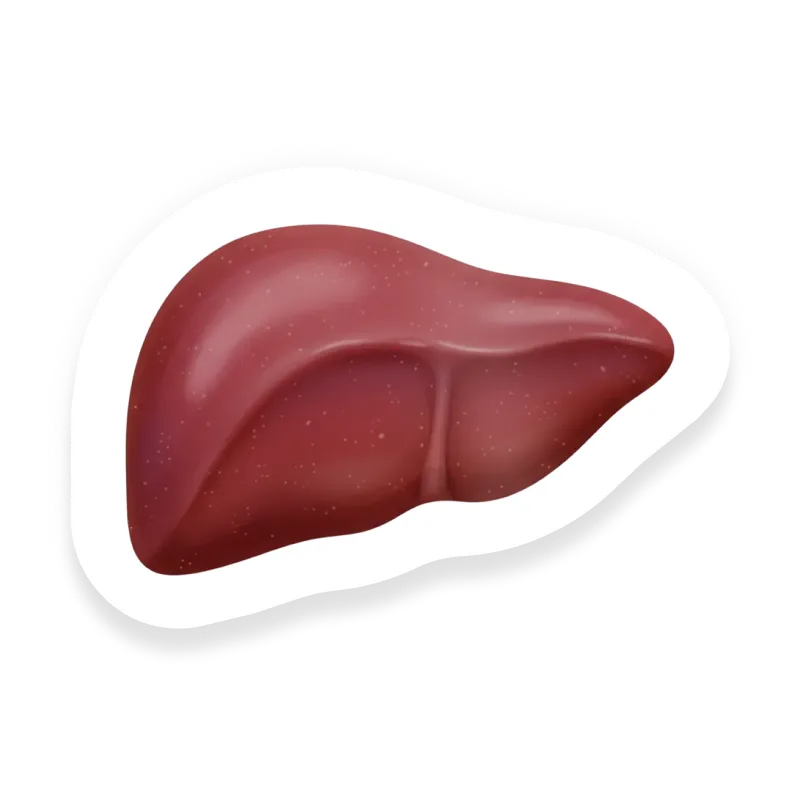
Beef Liver
Meat
Is Beef Liver Safe for Babies?
Yes, beef liver can be given to babies around 6 months old in very small amounts due to its high vitamin A content, with caution about serving size and frequency.
Yes, but there are some things to know
At a Glance
Beef liver supplies concentrated heme iron and vitamin B12, which help make healthy red blood cells and keep energy up. It is also high in protein, vitamin A, and folate to support growth and healing.
How Do You Serve Beef Liver?
- 1Cook the liver until it reaches 160°F (74°C); use a food thermometer to confirm it’s fully cooked for safety.
- 2Blend or puree with a small amount of healthy fat (butter, olive oil, breastmilk, formula, or water) until completely smooth to reduce choking risk.
- 3Offer very small portions — about 1 teaspoon per serving — and limit to 1–2 times per week as an introduction to organ meat.
- 4Serve on a spoon, spread thinly on a teething rusk, or mix with mashed/stewed apple or pear to add familiar flavor and texture.
Is Beef Liver a Common Allergen?
Beef liver is not a common top‑9 allergen, but it is a mammalian organ meat and can trigger red‑meat (alpha‑gal) allergy in susceptible people — avoid if your child has a known meat allergy or history of tick‑associated reactions and consult an allergist. Also note liver is very high in preformed vitamin A; limit servings for infants and avoid frequent or large portions during pregnancy. Introduce small amounts cautiously and watch for any allergic symptoms (hives, swelling, vomiting, difficulty breathing).
What Nutrients Does Beef Liver Have?
Beef liver is extremely nutrient-dense for babies in very small amounts—providing iron, vitamin B12, folate, choline, zinc, selenium, and complete amino acids that support iron stores, neurodevelopment, immune function, and thyroid health. However, it contains very high levels of vitamin A and can accumulate contaminants, so limit servings to about 1 teaspoon per serving and no more than 1–2 times per week to avoid vitamin A toxicity. If your child takes vitamin supplements or you’re concerned about exposure, consult your pediatrician and consider chicken liver as a higher-iron, lower–vitamin A alternative.
Is Beef Liver a Choking Hazard?
Very Low Choking Risk
Beef liver is often tough and chewy and can pose a real choking hazard for infants and toddlers. Always stay within arm’s reach and watch closely while your child is eating, and be familiar with the difference between gagging and true choking. It’s a good idea to have infant first aid/CPR training so you can respond quickly if a choking emergency occurs.
Have More Questions?
Yes. Beef liver can be introduced to babies around 6 months old in very small amounts, but due to its high vitamin A content, servings should be limited to prevent toxicity.
Yes. You can freeze small portions of cooked beef liver in ice cube trays for easy portioning and storage, making it convenient to serve in small amounts as your baby gets older.
Yes. Organic beef liver is available, and choosing organic may reduce exposure to pesticides and contaminants, though conventional beef liver is equally nutritious when sourced from reputable suppliers.
Yes. Combining beef liver with vegetables like sweet potatoes or carrots can balance its strong flavor and boost the overall nutrient profile of your baby's meal.
It depends on the child's age and developmental progress. Start with tiny portions of very smooth, pureed beef liver, then gradually increase texture and amount as tolerated.
Is Beef Liver safe for your baby?
Get personalized guidance on introducing Beef Liver — with prep tips, allergen alerts, and age-specific serving ideas.
Sources
- Micronutrient Intake in Healthy Toddlers: A Multinational Perspective (Hilger et al., Nutrients, 2015) doi.org
- Advocacy for Improving Nutrition in the First 1000 Days (Schwarzenberg et al., Pediatrics, 2018) doi.org
- The 2016 European Union report on pesticide residues in food (EFSA Journal, 2018) doi.org
- Micro- and macroelement contents in the liver... (Kicińska et al., Environmental Monitoring and Assessment, 2019) doi.org
- Therapeutic uses of animal biles... (Wang & Carey, World J Gastroenterol, 2014) doi.org
- Vitamin A toxicity (Merck Manual Professional Version, Johnson, 2020) merckmanuals.com
- Beef liver, fried (U.S. Department of Agriculture, FoodData Central, 2020) fdc.nal.usda.gov
- Chicken liver, pan-fried (U.S. Department of Agriculture, FoodData Central, 2020) fdc.nal.usda.gov
- Vitamin A (National Institutes of Health, 2021) ods.od.nih.gov
- Meat in your diet (NHS, 2018) nhs.uk
- Vitamin A (LiverTox, 2020) ncbi.nlm.nih.gov
- Alpha-gal and red meat allergy (American Academy of Allergy, Asthma & Immunology, 2019) aaaai.org
- Meat allergy (American College of Allergy, Asthma & Immunology, 2019) acaai.org
What Other Meat Can Babies Eat?
See all →
Backed by Science
Data you can trust.
Every food, guideline, and recommendation in Tummi is sourced from leading health institutions and peer-reviewed research.
 Centers for Disease Control and Prevention
Developmental milestones, nutrition guidelines, and allergen introduction timelines.
 American Academy of Pediatrics
Evidence-based feeding recommendations from the leading pediatric authority.
 National Institutes of Health
Peer-reviewed research on infant nutrition, allergies, and food safety.