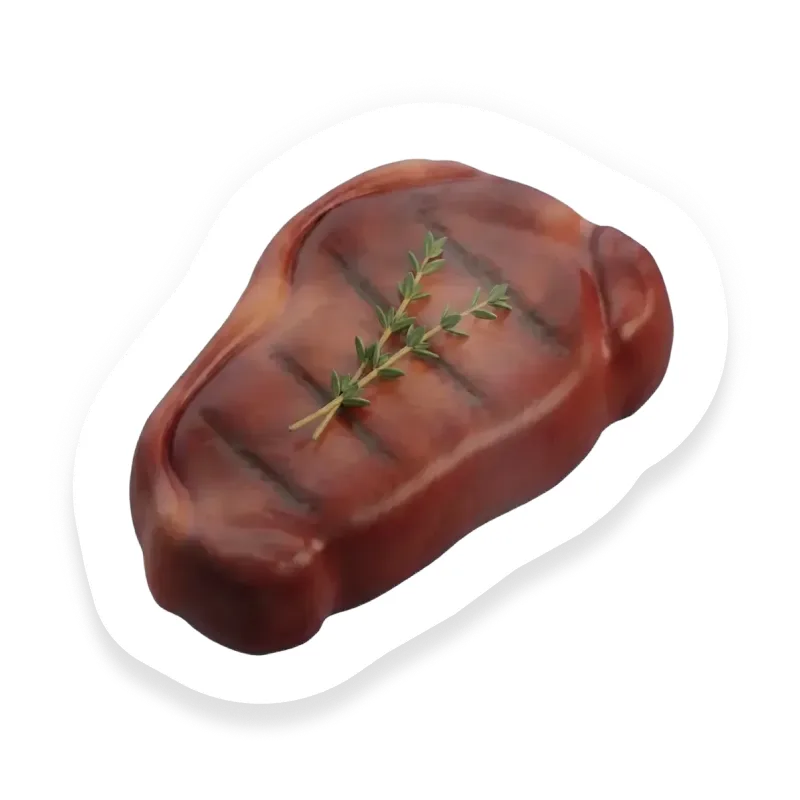
Bison
Meat
Is Bison Safe for Babies?
Yes, babies can eat bison starting at around 6 months of age, when they are ready for solids, as long as it is properly prepared.
Yes, but there are some things to know
At a Glance
Bison is a lean red meat that's rich in heme iron, which the body absorbs easily and helps prevent iron‑deficiency anemia. It also supplies vitamin B12 and protein that support healthy blood and steady energy.
How Do You Serve Bison?
- 1Mix well-cooked, finely crumbled or lightly mashed bison into thick, scoopable foods (mashed vegetables, porridge, or yogurt) so it holds together—avoid loose crumbles that can cause choking.
- 2When shaping into patties, meatballs, or burgers, make them at least 2 inches (5 cm) across and soft enough to squash gently between your fingers.
- 3Cook bison fully to an internal temperature of 160°F (71°C) and allow pieces to cool until warm before serving.
- 4Serve with a moist dip (yogurt, applesauce, or purees) and offer small spoon-sized portions to make swallowing easier.
Is Bison a Common Allergen?
Bison (buffalo) meat is not a common childhood allergen for most children, but it is mammalian red meat and can trigger reactions in people with red-meat allergy (alpha‑gal) or who are allergic to beef due to cross‑reactive proteins. If your child has a known beef allergy or a history of tick bites with delayed meat reactions, avoid bison and consult an allergist. Also be aware that marinades, sauces, or processing facilities can introduce common allergens (soy, gluten, dairy, nuts) or cause cross‑contamination, so check ingredient labels and ask restaurants. For most families bison is safe, but take extra caution when there is any history of meat allergy or severe reactions.
What Nutrients Does Bison Have?
Bison is a lean, nutrient-dense red meat that provides high-quality protein plus heme iron, zinc, selenium, choline, and B‑vitamins (notably B12 and B6) — nutrients that support growth, brain development, and iron stores for babies starting solids (~6 months). Heme iron in bison is well absorbed and especially helpful to prevent iron deficiency in infants. Because bison is lean it’s lower in fat than many red meats, but parents should avoid processed/cured bison (jerky, pre-cooked frozen meatballs) that are high in sodium and offer age‑appropriate, soft textures to reduce choking risk. Normal servings won’t overload babies with nutrients, but limit frequent large portions or processed products; consult your pediatrician if you have concerns about iron status or rare meat allergies (e.g., alpha‑gal).
Is Bison a Choking Hazard?
Low Choking Risk
Bison is a common choking hazard because meat can be tough and form large, sticky pieces—avoid giving chunks that could get lodged. Always stay within arm’s reach and closely supervise babies during meals, and expect gagging as a normal reflex while learning. Make sure you know infant choking first aid/CPR so you can respond quickly if needed.
Have More Questions?
Yes. Bison can be stored in the refrigerator for up to 2 days or frozen for several months. Ensure it is wrapped airtight to prevent freezer burn and maintain quality.
Yes. You can freeze cooked or raw bison purees or pieces in ice cube trays or containers, making it easy to thaw small portions as needed.
It depends. Organic bison is raised without synthetic chemicals, but price and availability vary. Choose based on your preferences and budget while ensuring quality and freshness.
Yes. You can combine bison with vegetables, grains, or fruits to create balanced, baby-friendly meals that introduce new flavors and textures gradually.
For babies, start with small portions of about 1-2 ounces of cooked bison meat per serving, adjusting as your baby grows and their appetite increases.
Is Bison safe for your baby?
Get personalized guidance on introducing Bison — with prep tips, allergen alerts, and age-specific serving ideas.
Sources
- Alpha-gal and Red Meat Allergy - American Academy of Allergy, Asthma & Immunology aaaai.org
What Other Meat Can Babies Eat?
See all →
Backed by Science
Data you can trust.
Every food, guideline, and recommendation in Tummi is sourced from leading health institutions and peer-reviewed research.
 Centers for Disease Control and Prevention
Developmental milestones, nutrition guidelines, and allergen introduction timelines.
 American Academy of Pediatrics
Evidence-based feeding recommendations from the leading pediatric authority.
 National Institutes of Health
Peer-reviewed research on infant nutrition, allergies, and food safety.