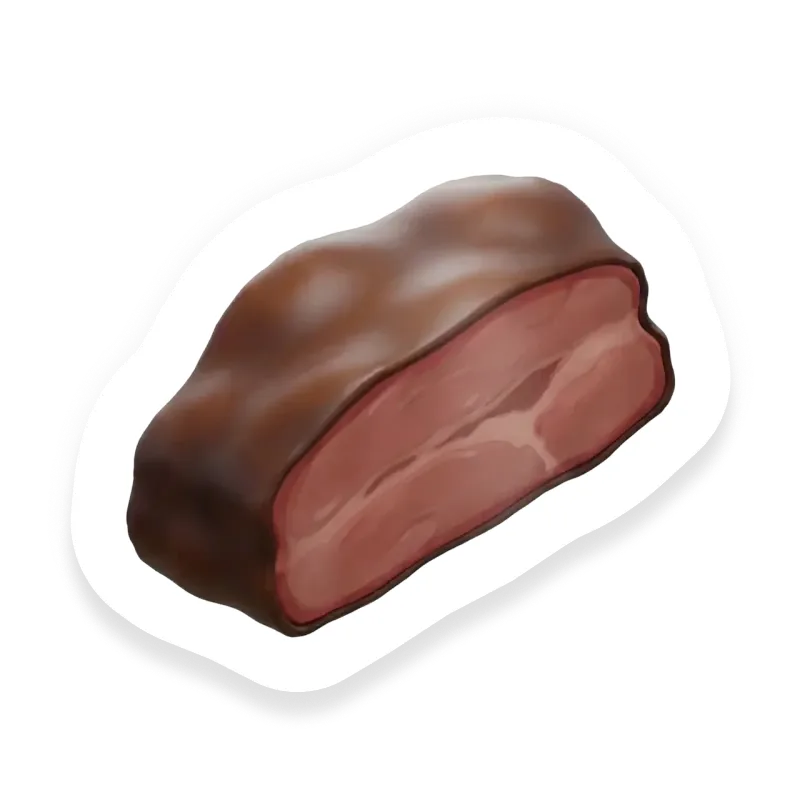
Beef Brisket
Meat
Is Beef Brisket Safe for Babies?
Yes, well-cooked brisket can be introduced around 6 months, ensuring it is shredded into small, manageable pieces to prevent choking.
Yes, but there are some things to know
At a Glance
Brisket is a good source of heme iron, which the body absorbs more easily than plant iron. It also provides protein and vitamin B12 that support healthy blood.
How Do You Serve Beef Brisket?
- 1Cut a long strip about the combined width and length of two adult fingers pressed together so the baby can suck and munch instead of biting.
- 2Cook brisket until very tender and slice along the grain so the meat naturally separates into soft fibers that are easy to manage.
- 3Keep the strip moist—lightly brush with a thin sauce, warm broth, or fat so it doesn't dry and is easier to move in the mouth.
- 4Sit within arm’s reach and watch continuously for gagging; never force food or put your fingers into the baby’s mouth.
Is Beef Brisket a Common Allergen?
Beef brisket itself is not one of the major food allergens and is generally safe for children without a known meat allergy. Still, watch for cross-contamination and for allergenic ingredients in marinades, rubs, glazes, or sauces (for example soy, wheat/gluten, dairy, or nuts). When eating commercially prepared or restaurant brisket, ask about ingredients and preparation, and introduce small amounts and monitor if your child has a history of food sensitivities.
What Nutrients Does Beef Brisket Have?
Brisket is a nutrient-dense red meat providing highly bioavailable heme iron—important for babies starting solids around 6 months—to help prevent iron deficiency. It also supplies complete protein for growth, plus zinc, selenium, choline, and B vitamins (including B6/B12) that support brain development, immune function, and red blood cell formation. The fat in brisket supplies concentrated energy and helps absorb fat‑soluble nutrients, but brisket can be high in saturated fat (and smoked/brined versions are high in sodium), so offer in moderation as part of a varied diet. Introduce small amounts first, monitor for rare beef or alpha‑gal reactions, and avoid making red meat the sole daily protein source.
Is Beef Brisket a Choking Hazard?
Moderate Choking Risk
Brisket can be firm and stringy and may be difficult for babies to chew, which raises the risk of choking. Stay within arm’s reach and closely supervise every bite so you can act quickly if gagging or choking occurs, and make sure you’re familiar with infant choking first aid. Be extra cautious while your baby is still developing chewing skills, since tougher meat can break into pieces that are hard to manage.
Have More Questions?
Yes, parents can freeze cooked brisket in airtight containers for up to 3 months to preserve freshness and reduce waste.
Yes, pureed brisket can be frozen in ice cube trays, then transferred to a sealed bag, making convenient individual portions for baby.
It depends; organic beef may have fewer antibiotics and hormones, but both organic and conventional brisket can be nutritious choices for babies when well-cooked.
Yes, combining brisket with vegetables or grains creates balanced meals, providing a variety of nutrients suitable for a growing baby.
Portion sizes for babies vary, but small, tender, and well-cooked pieces, starting around 1-2 teaspoons, are generally appropriate for 6-12 months old.
Is Beef Brisket safe for your baby?
Get personalized guidance on introducing Beef Brisket — with prep tips, allergen alerts, and age-specific serving ideas.
Sources
- American Academy of Allergy, Asthma, & Immunology — Alpha-gal defined aaaai.org
- American College of Allergy, Asthma, & Immunology — Meat Allergy acaai.org
- Johns Hopkins Medicine — Milk allergy hopkinsmedicine.org
- Wilson JM, Platts-Mills T. (2018). Meat allergy and allergens. Molecular Immunology doi.org
- Restani P, Ballabio C, Tripodi S, Fiocchi A. (2009). Meat allergy. Curr Opin Allergy Clin Immunol
What Other Meat Can Babies Eat?
See all →


Backed by Science
Data you can trust.
Every food, guideline, and recommendation in Tummi is sourced from leading health institutions and peer-reviewed research.
 Centers for Disease Control and Prevention
Developmental milestones, nutrition guidelines, and allergen introduction timelines.
 American Academy of Pediatrics
Evidence-based feeding recommendations from the leading pediatric authority.
 National Institutes of Health
Peer-reviewed research on infant nutrition, allergies, and food safety.