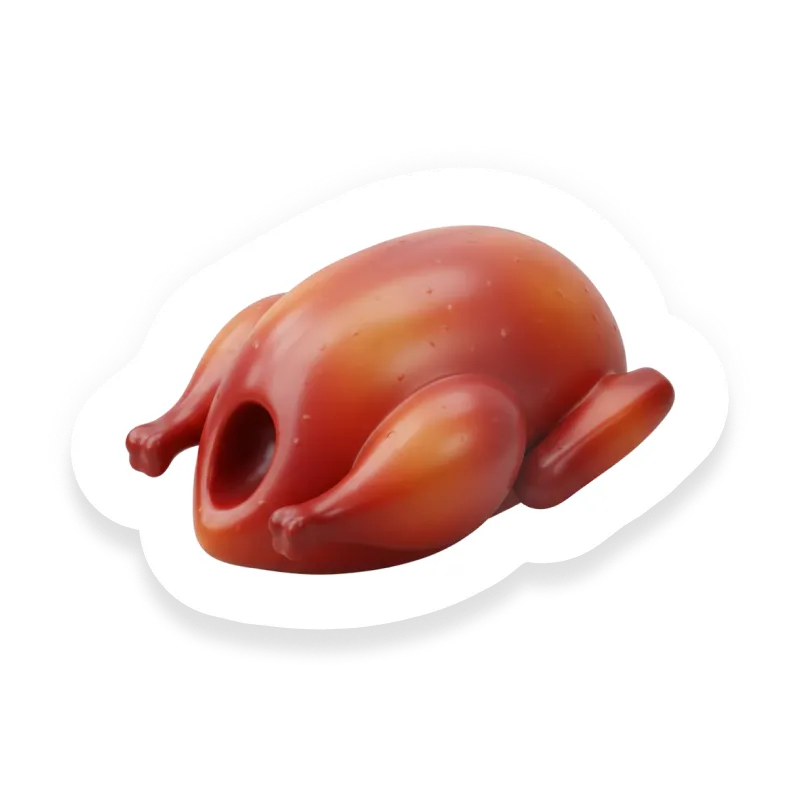
Duck
Meat
Is Duck Safe for Babies?
Yes, well-cooked duck can be introduced around 6 months as part of a baby's solid food diet.
Yes, but there are some things to know
At a Glance
Cooked duck is high in iron, giving a good source of heme iron that the body absorbs well. This supports healthy blood and helps the body make red blood cells.
How Do You Serve Duck?
- 1Remove all bones, loose cartilage, and skin, then cut the cooked duck into long strips about the width of two adult fingers pressed together so pieces are soft and easy to grasp.
- 2For easier chewing and swallowing, finely shred or chop the meat until it is very soft and can be mashed with a fork; stir into scoopable foods like mashed vegetables, porridge, or yogurt to combine textures.
- 3Let the duck cool to lukewarm and carefully check each piece for any hidden bones or firm bits before offering it.
- 4Feed while closely supervising; if a baby bites off a piece, stay calm and give them time to move it with their tongue while you remain ready to assist. Stay within arm's reach.
- 5Avoid added salt, honey, or hard seasonings, introduce new foods one at a time, and watch for any signs of an allergic reaction.
Is Duck a Common Allergen?
Duck meat is not a common allergen for most children, but cross-reactivity can occur in people with poultry allergy — exercise caution if your child is allergic to other birds or poultry. Duck eggs can trigger egg allergy similarly to chicken eggs. Always introduce new foods in small amounts under supervision and seek allergy testing or specialist advice if there is a history of severe reactions. If in doubt, consult your pediatrician or an allergist before serving.
What Nutrients Does Duck Have?
Duck is an iron-rich, energy-dense meat high in complete protein and healthy fats (including some omega‑3s) and supplies choline, selenium, zinc and B vitamins—especially B12—nutrients that support babies’ growth, brain development, red‑blood‑cell production and immune function. The fat content helps infants absorb fat‑soluble vitamins and supports brain development, but duck is higher in total and saturated fat than many other poultry, so offer in moderation and as part of a varied diet. Nutrient toxicity from eating duck is unlikely, though very large, frequent portions could displace other important foods or add excess calories/fat; follow age‑appropriate portion and preparation guidance and avoid salty/processed preparations.
Is Duck a Choking Hazard?
Low Choking Risk
Duck can be firm and dry, which raises the risk of choking for babies who are still learning to chew. Supervise closely—stay within arm’s reach, maintain a safe eating environment, and ensure caregivers know the signs of choking and basic infant choking first aid.
Have More Questions?
Yes. You can prepare and freeze duck purees or small portions in ice cube trays for convenient serving later.
Yes. You can freeze cooked duck in airtight containers for up to 2-3 months, but avoid freezing raw duck for long-term storage due to spoilage risk.
It depends. Choosing organic duck may reduce exposure to pesticides and antibiotics, but both organic and conventional duck can be safely fed to babies if well-cooked.
Yes. Combining duck with vegetables or grains can introduce your baby to new flavors and textures, but add new ingredients gradually to monitor for reactions.
The typical portion size for a baby is about 1-2 ounces of cooked meat per serving, but always adjust based on your baby's appetite and developmental stage.
Is Duck safe for your baby?
Get personalized guidance on introducing Duck — with prep tips, allergen alerts, and age-specific serving ideas.
Sources
- Update on the bird-egg syndrome and genuine poultry meat allergy doi.org
- Severe allergy to chicken meat pubmed.ncbi.nlm.nih.gov
- Cross-reactivity to fish and chicken meat—a new clinical syndrome doi.org
- A case of acute food protein-induced enterocolitis (FPIES) to fish, turkey, and duck doi.org
What Other Meat Can Babies Eat?
See all →
Backed by Science
Data you can trust.
Every food, guideline, and recommendation in Tummi is sourced from leading health institutions and peer-reviewed research.
 Centers for Disease Control and Prevention
Developmental milestones, nutrition guidelines, and allergen introduction timelines.
 American Academy of Pediatrics
Evidence-based feeding recommendations from the leading pediatric authority.
 National Institutes of Health
Peer-reviewed research on infant nutrition, allergies, and food safety.