
Hot Dog
Meat
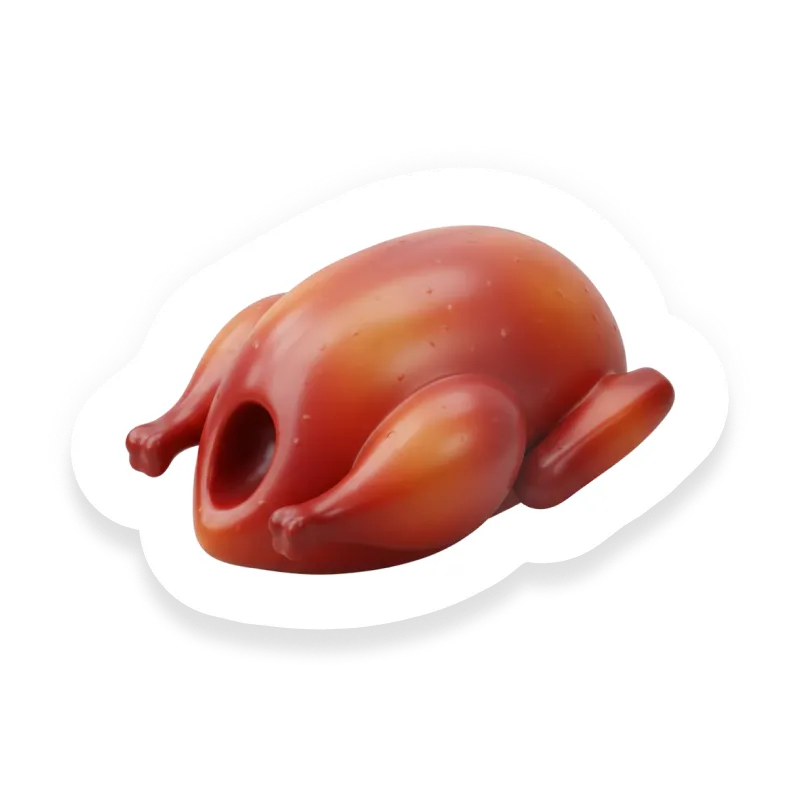
Is Hot Dog Safe for Babies?
No, wait until your baby is 12 months or older before introducing hot dogs, and ensure they are prepared to minimize choking hazards.
Yes, but there are some things to know
How Do You Serve Hot Dog?
- 1Do not offer hot dog because it poses a high choking risk; choose safer first foods like smooth purees, mashed avocado, or well-mashed vegetables.
- 2If you give a very small taste, remove the casing and cook the hot dog thoroughly, then finely chop or grate the meat into tiny pieces.
- 3Mix those tiny pieces into a soft, scoopable food (e.g., mashed potato, yogurt, or applesauce) so they are cushioned and easy to swallow.
- 4Offer only a teaspoon-sized amount, stay within arm’s reach and watch constantly while your child eats; never serve whole rounds, slices, or chunks.
- 5Prefer safer alternatives such as pureed or very finely shredded cooked meats, and consult your pediatrician with any allergy or readiness questions.
Is Hot Dog a Common Allergen?
Most hot dogs are processed meats and may not always list a major allergen, but many brands and buns can contain or be processed with soy, wheat (gluten), milk, and sometimes sesame — cross-contact in facilities is also common. Always read the product label and ingredient/allergen statement and ask about preparation when eating out. For children with food allergies, choose brands explicitly labeled free-from the relevant allergen or avoid hot dogs altogether. Also note a separate safety issue: hot dogs can carry Listeria if not heated thoroughly, so reheat until steaming hot before serving.
What Nutrients Does Hot Dog Have?
Hot dogs supply concentrated protein and several baby‑relevant micronutrients — notably vitamin B12, zinc, selenium, choline and variable amounts of heme iron — which support growth, brain development, and red blood cell formation. However, many hot dogs are high in sodium, saturated fat, and nitrates, so frequent or large servings are not recommended. Offer hot dogs only occasionally as part of a varied diet, choose lower‑sodium or minimally processed options when possible, and follow age‑appropriate preparation and portioning to reduce choking risk.
Is Hot Dog a Choking Hazard?
Elevated Choking Risk
Hot dogs are a common cause of choking because their springy, firm texture and slick exterior can easily block a child's airway. This risk is higher in younger infants and toddlers, so parents should be especially cautious when introducing them. Caregivers should learn and recognize the signs of choking and be prepared to respond quickly.
Have More Questions?
Yes, hot dogs should be cooked before serving to babies, even if they are pre-cooked varieties, to reduce the risk of foodborne illness.
It depends; hot dogs are safe for babies when prepared in an age-appropriate way, including being sliced into small, manageable pieces to reduce choking hazards.
It depends; you can freeze hot dog slices, but ensure they are thoroughly cooked, cooled, and stored in airtight containers to maintain safety and quality.
It depends; organic hot dogs may have fewer preservatives, but always check ingredients and ensure proper preparation and serving methods for your baby.
It depends; hot dogs can be combined with other baby-safe foods like soft bread, vegetables, or fruits, but always introduce new combinations gradually and watch for reactions.
Is Hot Dog safe for your baby?
Get personalized guidance on introducing Hot Dog — with prep tips, allergen alerts, and age-specific serving ideas.
Sources
What Other Meat Can Babies Eat?
See all →


Backed by Science
Data you can trust.
Every food, guideline, and recommendation in Tummi is sourced from leading health institutions and peer-reviewed research.
 Centers for Disease Control and Prevention
Developmental milestones, nutrition guidelines, and allergen introduction timelines.
 American Academy of Pediatrics
Evidence-based feeding recommendations from the leading pediatric authority.
 National Institutes of Health
Peer-reviewed research on infant nutrition, allergies, and food safety.