Lamb
Meat
Is Lamb Safe for Babies?
Yes, well-cooked lamb can be introduced to babies around 6 months of age as part of their solid foods, ensuring it is tender and properly prepared.
Yes, but there are some things to know
At a Glance
Lamb supplies easily absorbed iron that helps build healthy red blood. It also provides vitamin B12 and zinc to support energy and growth.
How Do You Serve Lamb?
- 1Mix fully cooked, finely ground lamb into soft, scoopable foods like mashed vegetables, porridge, or yogurt so it doesn't form dry crumbs.
- 2Ensure ground lamb reaches an internal temperature of 160°F (71°C) to kill bacteria. Use a meat thermometer to confirm doneness.
- 3For finger foods, offer soft patties or meatballs at least 2 inches (5 cm) across and make sure they can be easily smashed between thumb and forefinger.
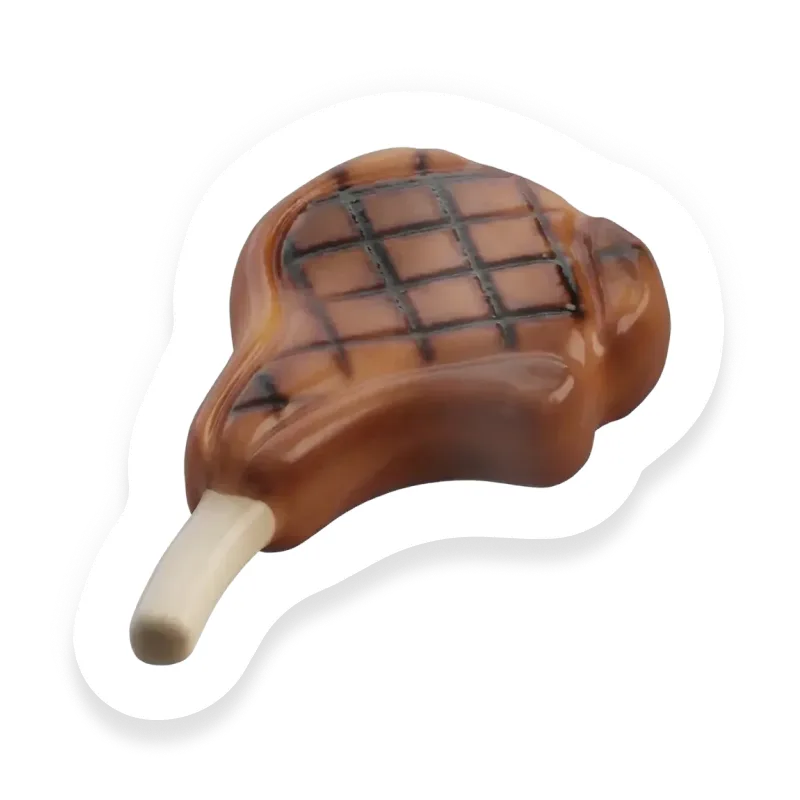
- 4For gnawing, offer a bone-in chop or long braised strip with excess fat and loose pieces removed so the child can safely suck and gnaw.
- 5Remove gristle, stringy connective tissue, and tough bits; always supervise while eating and keep the child seated upright.
Is Lamb a Common Allergen?
Lamb is not one of the common top‑9 allergens, but it is mammalian red meat and can trigger red‑meat allergies (including alpha‑gal syndrome) in some people; reactions can be delayed and range from hives and GI upset to anaphylaxis. If a child has known alpha‑gal or mammal‑meat allergy, avoid lamb and related products because of cross‑reactivity. Also be aware lamb dishes may contain dairy, gluten, soy, or nuts from marinades or preparation—always check ingredients and cooking methods. Consult your pediatrician or allergist before introducing lamb if there are any allergy concerns or a history of tick bites or atopy.
What Nutrients Does Lamb Have?
Lamb is a nutrient-dense, iron-rich red meat that supplies high-quality protein plus heme iron, vitamin B12, zinc, selenium and choline—nutrients important for growth, brain development, red blood cell formation and immune function. Because lamb’s heme iron is well absorbed, it’s especially valuable after about 6 months when infants’ iron stores fall. Lamb also provides energy-dense fats important for babies, but some cuts are high in saturated fat and cholesterol, so serve small, age-appropriate portions and choose leaner preparations. Cook lamb (especially ground) thoroughly (to 160°F/71°C) to prevent foodborne illness.
Is Lamb a Choking Hazard?
Low Choking Risk
Lamb can be firm and dry when cooked, which raises its choking risk—especially in chunkier pieces or round, firm items that can get stuck in the mouth. Pieces that fall apart can also trigger gagging or stick to the roof of the mouth, increasing the chance of an airway issue. Stay close and be prepared to recognize and respond quickly to choking, and refresh infant choking first-aid knowledge before introducing lamb.
Have More Questions?
Yes. When well-cooked, lamb can be introduced to babies around 6 months old, fitting into their early solid food stage, after they are ready for more varied textures.
Yes. Lamb provides essential nutrients like iron and zinc, which support healthy growth, brain development, and immune function in babies.
No. Lamb is not a common allergen, but some children may develop allergies; cooking lamb thoroughly can help reduce allergy risks.
Yes. Lamb's firm texture may pose a choking risk, so it should be served in age-appropriate, soft formats and under supervision.
It depends. Lamb meatballs are safe for babies from 6 months if cooked thoroughly, soft, and cut into small, manageable pieces to prevent choking.
Is Lamb safe for your baby?
Get personalized guidance on introducing Lamb — with prep tips, allergen alerts, and age-specific serving ideas.
Sources
- Centers for Disease Control and Prevention — Salmonella and Ground Beef (2022) cdc.gov
- Restani P; Ballabio C; Tripodi S; Fiocchi A. Meat allergy. Curr Opin Allergy Clin Immunol. 2009;9(3):265–269. pubmed.ncbi.nlm.nih.gov
- Fiocchi A; Restani P; Riva E; Restelli AR; Biasucci G; Galli CL; Giovannini M. Meat allergy: II – Effects of food processing and enzymatic digestion on the allergenicity of bovine and ovine meats. J Am Coll Nutr. 1995;14:245–250. pubmed.ncbi.nlm.nih.gov
- American Academy of Allergy, Asthma, & Immunology — Alpha-gal (definition) aaaai.org
What Other Meat Can Babies Eat?
See all →
Backed by Science
Data you can trust.
Every food, guideline, and recommendation in Tummi is sourced from leading health institutions and peer-reviewed research.
 Centers for Disease Control and Prevention
Developmental milestones, nutrition guidelines, and allergen introduction timelines.
 American Academy of Pediatrics
Evidence-based feeding recommendations from the leading pediatric authority.
 National Institutes of Health
Peer-reviewed research on infant nutrition, allergies, and food safety.