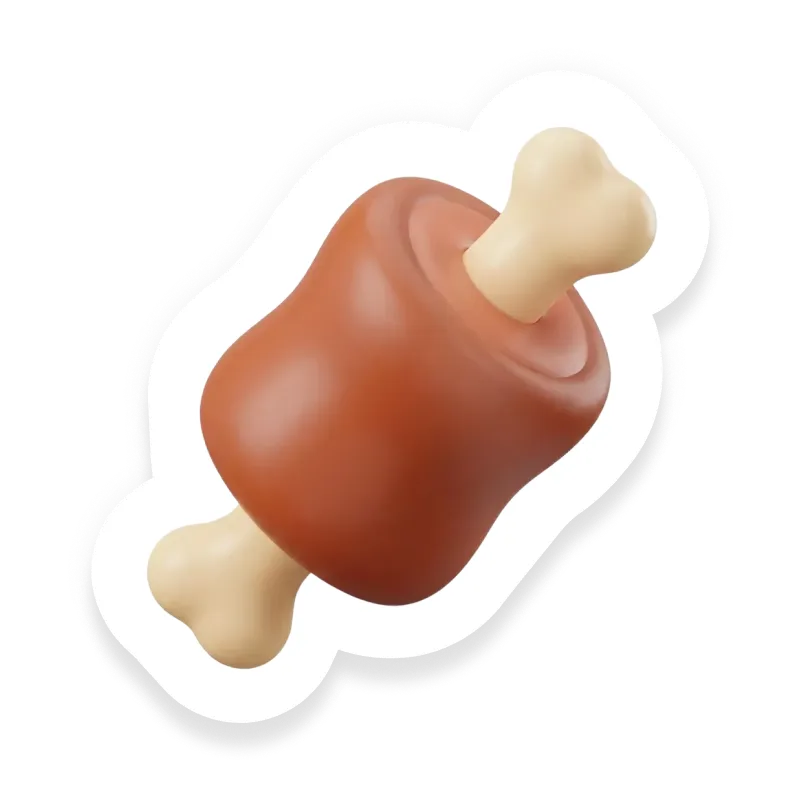
Pork
Meat
Is Pork Safe for Babies?
Yes, well-cooked pork can be introduced as early as 6 months when babies are ready for solids.
Yes, but there are some things to know
At a Glance
Pork is a good source of iron because it contains easily absorbed iron from animal tissues that the body can use well. It also provides protein and vitamin B12, which help make hemoglobin and support healthy red blood cells.
How Do You Serve Pork?
- 1Offer a thick strip of pork chop or the pork chop bone with most meat removed; inspect carefully and discard if you find any brittle or loose bone fragments.
- 2Mix very tender pulled pork into a soft, scoopable food (for example, mashed potato or applesauce) so it can be eaten easily with a spoon.
- 3Cook ground pork to 160°F (71°C) and form into small, soft meatballs that compress between thumb and forefinger to reduce choking risk.
- 4Remove visible fat and shred or finely chop pork into soft pieces; Always supervise while feeding and offer small spoonfuls, avoiding added salt, sugar, or honey.
Is Pork a Common Allergen?
Pork itself is not one of the common top‑9 food allergens, but some people can develop red‑meat allergy (alpha‑gal) after tick bites that causes delayed reactions to mammalian meats including pork. Plain cuts of pork are naturally free of milk, egg, soy and gluten, but processed pork products (sausages, marinades, deli meats) often contain common allergens like milk, soy, wheat/gluten or sesame—always read labels and check for cross‑contact. If your child has a known meat allergy or alpha‑gal, avoid pork and consult their clinician before offering it.
What Nutrients Does Pork Have?
Pork is nutrient-dense for babies: it supplies highly bioavailable (heme) iron, complete protein, zinc, choline, selenium, and B‑vitamins (B12, B6) that support red‑blood‑cell formation, growth, brain development, and immune function. Small, age‑appropriate servings can help prevent iron deficiency and support development; ensure fresh pork is fully cooked and avoid processed/salty cuts and any honey‑containing sauces for infants under 12 months. Don’t overdo portions—excessive intake (especially of processed or fatty cuts) increases saturated fat, sodium, and calorie exposure, so offer pork in moderation alongside other iron‑rich foods.
Is Pork a Choking Hazard?
Low Choking Risk
Pork can be quite firm and dry, which increases the risk of choking for babies who are still learning to chew. Overcooked meat is particularly harder to manage in the mouth. Always stay within an arm’s reach during meals and watch closely for signs of gagging or choking. Make sure you’re prepared to respond and refresh your infant choking-first-aid skills.
Have More Questions?
Yes. When well-cooked, pork can be introduced to babies around 6 months old to support their growth and nutrient needs.
Yes. Pork is a good source of iron, protein, and vitamins, making it generally healthy for babies when cooked properly.
No. Pork is not a common allergen, but some individuals may develop an alpha gal allergy from tick bites, which affects reactions to mammalian meat like pork.
Yes. Pork can be firm and challenging for babies to chew, increasing choking risk if not prepared properly; always serve in suitable textures for developmental stage.
Yes. Babies can enjoy pulled or shredded pork when they are developmentally ready for solids, typically around 6 months, ensuring it’s served in age-appropriate, sauce-free portions.
Is Pork safe for your baby?
Get personalized guidance on introducing Pork — with prep tips, allergen alerts, and age-specific serving ideas.
Sources
- Safe Minimum Internal Temperatures (FoodSafety.gov, HHS) foodsafety.gov
- Taeniasis/cysticercosis - World Health Organization who.int
- About Yersinia Infection - CDC cdc.gov
- About Trichinellosis (Trichinosis) - CDC cdc.gov
- Meat Allergy - American College of Allergy, Asthma & Immunology (ACAAI) acaai.org
- Meat allergy and allergens - Wilson & Platts-Mills (Molecular Immunology) - PMC pmc.ncbi.nlm.nih.gov
- Alpha-gal and Red Meat Allergy - American Academy of Allergy, Asthma & Immunology (AAAAI) aaaai.org
- The Color of Meat and Poultry - USDA FSIS fsis.usda.gov
What Other Meat Can Babies Eat?
See all →
Backed by Science
Data you can trust.
Every food, guideline, and recommendation in Tummi is sourced from leading health institutions and peer-reviewed research.
 Centers for Disease Control and Prevention
Developmental milestones, nutrition guidelines, and allergen introduction timelines.
 American Academy of Pediatrics
Evidence-based feeding recommendations from the leading pediatric authority.
 National Institutes of Health
Peer-reviewed research on infant nutrition, allergies, and food safety.