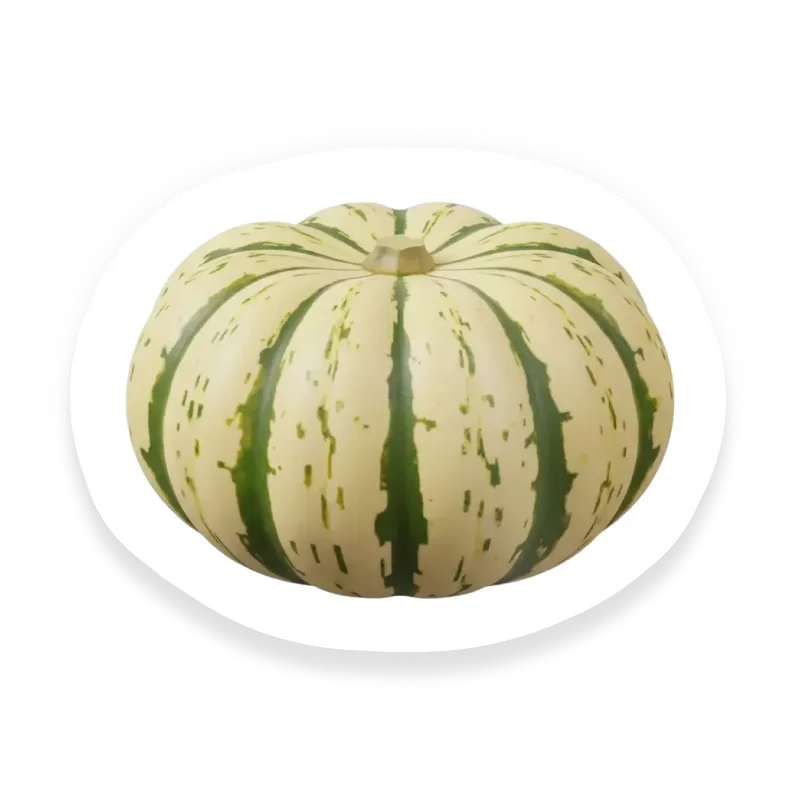
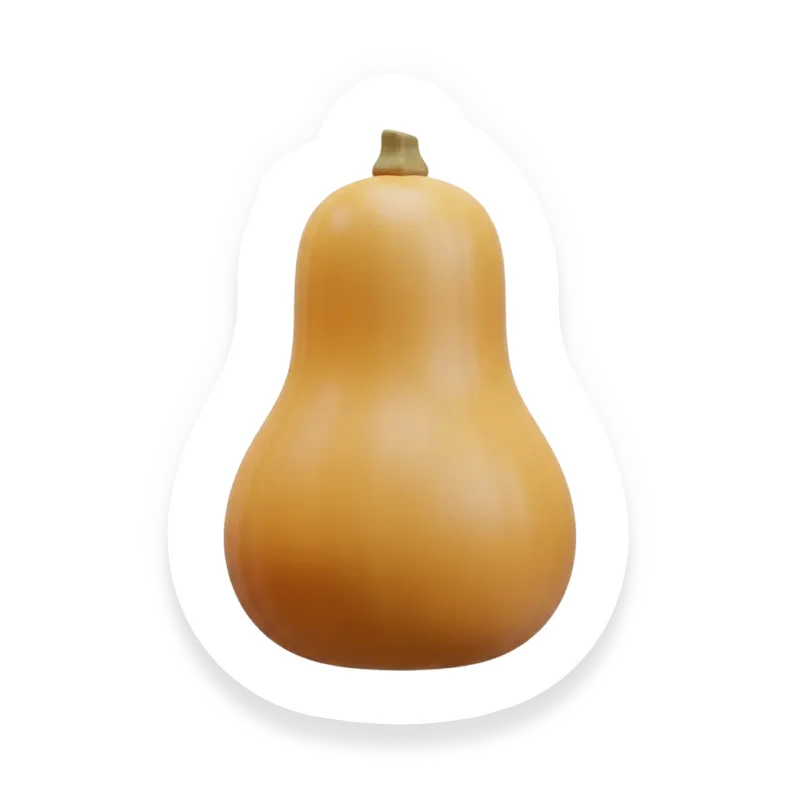
Delicata Squash
Vegetable
Is Delicata Squash Safe for Babies?
Yes, delicata squash can be introduced around 6 months once cooked until soft and mashed.
Yes, but there are some things to know
At a Glance
Delicata squash is naturally high in fiber, which helps bulk and soften stool so it passes more easily. It also supplies vitamins and potassium that support bowel regularity and overall digestion.
How Do You Serve Delicata Squash?
- 1Slice the squash into rings or half-moons and remove the seeds; leave the thin skin on for texture or peel if you prefer.
- 2Roast, steam, or simmer until the flesh is very soft and easily mashed with light pressure—typically 20–30 minutes depending on piece size.
- 3For older babies, mash lightly so they can scoop with fingers; for younger infants, puree or mash fully. Ensure pieces are soft with no hard edges before offering.
Is Delicata Squash a Common Allergen?
Delicata squash is not one of the major common food allergens (milk, eggs, fish, shellfish, tree nuts, peanuts, wheat, soy, sesame) and is generally well tolerated. Rare individual allergic reactions can occur, and cross-contact during processing or cooking (shared equipment or added ingredients such as nut oils) could introduce allergens. For infants or children with severe known allergies, introduce in small amounts and consult your pediatrician or allergist if you have concerns.
What Nutrients Does Delicata Squash Have?
Delicata squash is nutrient-dense for babies, providing beta‑carotene (provitamin A), vitamin C, fiber, folate, vitamin B6, and magnesium—nutrients that support vision, immunity, iron absorption, gut health, and early neurodevelopment. Its beta‑carotene supports visual development and acts as an antioxidant, while vitamin C helps baby absorb iron from plant foods; fiber feeds healthy gut bacteria and supports regular bowel movements. Generally safe when introduced gradually—very large amounts can cause mild digestive upset or carotenemia (benign yellowing of the skin) but beta‑carotene does not cause vitamin A toxicity like preformed vitamin A. Offer age‑appropriate cooked portions, introduce gradually, and pair with iron‑rich foods to maximize benefits.
Is Delicata Squash a Choking Hazard?
Very Low Choking Risk
Undercooked or raw delicata squash can pose a choking risk, so ensure it’s very soft and easily mashes with light pressure before offering it to baby. The skin can be firm and sometimes hard to chew, so consider removing it if you’re concerned. Always supervise baby at mealtimes and stay within arm’s reach while they eat.
Have More Questions?
Yes, parents can store cooked delicata squash in an airtight container in the refrigerator for 3-4 days.
Yes, freezing pureed delicata squash in small portions allows for longer storage, typically up to 3 months in a freezer-safe container.
It depends; choosing organic delicata squash may reduce pesticide exposure, but conventional options are also nutritious when properly washed.
Yes, delicata squash can be combined with other fruits or vegetables suited for your baby's age to introduce new flavors and textures.
Portion sizes for babies vary; starting with 1-2 tablespoons of cooked, mashed delicata squash per meal is common, adjusting based on your baby's appetite.
Is Delicata Squash safe for your baby?
Get personalized guidance on introducing Delicata Squash — with prep tips, allergen alerts, and age-specific serving ideas.
Sources
- Regulatory control of carotenoid accumulation in winter squash during storage (Zhang et al., 2014) doi.org
- The Benefits and Risks of Certain Dietary Carotenoids... (Black et al., 2020) doi.org
- Allergy to pumpkin and cross-reactivity to other Cucurbitaceae fruits (Figueredo et al., 2000) doi.org
- Allergy caused by ingestion of zucchini (Reindl et al., 2000) doi.org
- Oral Allergy Syndrome: An Update for Stomatologists (Kashyap & Kashyap, 2015) doi.org
- Closing America's Fiber Intake Gap: Communication Strategies (Quagliani & Felt-Gunderson, 2016) doi.org
- Oral Allergy Syndrome (AAAI) aaaai.org
What Other Vegetable Can Babies Eat?
See all →
Backed by Science
Data you can trust.
Every food, guideline, and recommendation in Tummi is sourced from leading health institutions and peer-reviewed research.
 Centers for Disease Control and Prevention
Developmental milestones, nutrition guidelines, and allergen introduction timelines.
 American Academy of Pediatrics
Evidence-based feeding recommendations from the leading pediatric authority.
 National Institutes of Health
Peer-reviewed research on infant nutrition, allergies, and food safety.