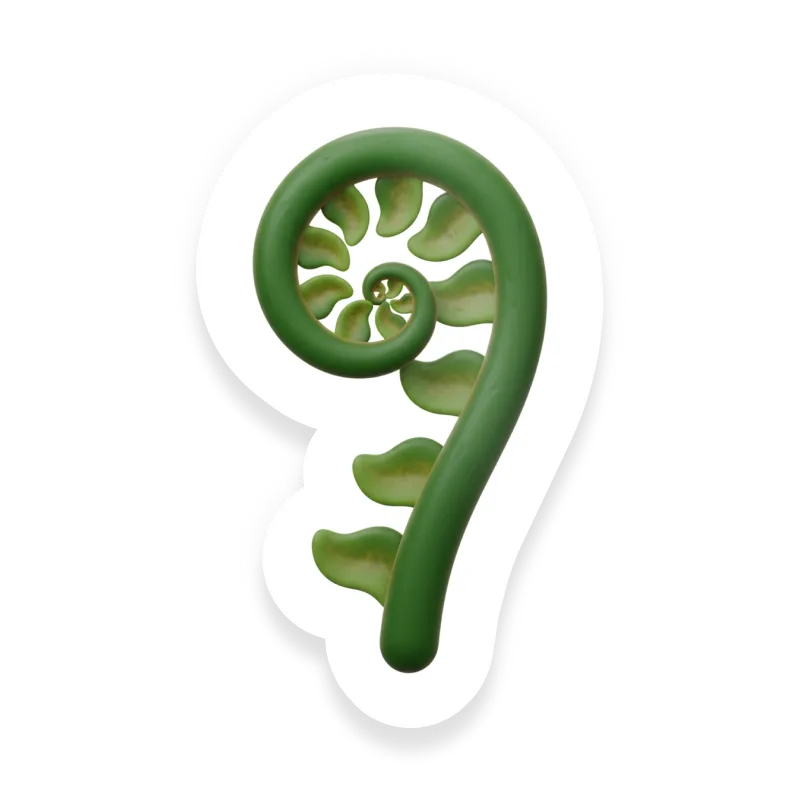
Fiddlehead Fern
Vegetable
Is Fiddlehead Fern Safe for Babies?
Yes, fiddlehead ferns can be introduced around 6 months when thoroughly cooked to reduce toxins and served in an age-appropriate manner.
Yes, but there are some things to know
At a Glance
Fiddleheads are a low‑calorie green that is high in fiber and helps keep digestion regular. They are also rich in antioxidants and supply vitamins A and C, potassium, and some omega‑3s that support gut health.
How Do You Serve Fiddlehead Fern?
- 1Remove any remaining brown papery husk and rinse fiddleheads thoroughly under cold running water to remove dirt and grit.
- 2Boil about 15 minutes or steam 10–12 minutes, then discard water to reduce any potentially harmful compounds.
- 3Ensure they are soft throughout and mash or finely chop so they’re easy to gum and swallow.
- 4Mix into mashed potatoes, pasta, or stew for a softer texture; let cool and test temperature before serving, and refrigerate leftovers within 2 hours or freeze small portions for later.
Is Fiddlehead Fern a Common Allergen?
Fiddleheads are not a common allergen, but they can cause gastrointestinal illness if eaten raw or undercooked. Health agencies recommend boiling fiddleheads for at least 15 minutes or steaming for 10–12 minutes and avoid serving them raw. Offer sparingly to young children and watch for any adverse reactions, especially if your child has known plant or food sensitivities.
What Nutrients Does Fiddlehead Fern Have?
Fiddlehead ferns are nutrient-dense, providing vitamin A, vitamin C, iron, calcium, potassium, fiber, and antioxidant phenolic compounds—nutrients that support vision, immune function, blood and bone health, electrolyte balance, and digestion in babies. When fully cooked (boil ~15 min or steam 10–12 min) they can be introduced around 6 months as part of a varied complementary diet and help boost iron and vitamin A intake important for growth. Typical serving sizes won’t cause excess intake, but serve in moderation and never offer raw or undercooked fiddleheads due to toxin-related illness.
Is Fiddlehead Fern a Choking Hazard?
Moderate Choking Risk
When fully cooked and soft, fiddleheads generally present a low choking risk, but their tightly coiled shape and slightly fibrous texture can pose a hazard if any firmness remains. Stay within arm’s reach and supervise closely while baby is eating, and watch for coughing or gagging as signs they’re struggling. Offer fiddleheads only when your child is able to handle soft textures and is seated with good head control.
Have More Questions?
Yes, when properly cooked, fiddlehead ferns can be introduced to babies around 6 months old. Ensure they are boiled or steamed thoroughly to eliminate toxins before serving.
It depends. Fiddlehead ferns are nutritious but must be cooked for at least 10-15 minutes to remove harmful toxins, and any water used in cooking should be discarded.
Yes, fiddlehead ferns contain essential nutrients beneficial for babies' development, such as vitamin A, vitamin C, calcium, potassium, and fiber, when served properly.
No, fiddlehead ferns are not a common allergen. However, always introduce new foods gradually and watch for any adverse reactions during initial feedings.
No, fiddlehead ferns are not a choking hazard if they are cooked until soft and prepared in an age-appropriate manner, with close supervision during eating.
Is Fiddlehead Fern safe for your baby?
Get personalized guidance on introducing Fiddlehead Fern — with prep tips, allergen alerts, and age-specific serving ideas.
Sources
- Ostrich Fern Poisoning -- New York and Western Canada, 1994 (MMWR) cdc.gov
- Fiddleheads - British Columbia Drug and Poison Information Centre (BC DPIC) dpic.org
- Fiddlehead Fern Poisoning: A Case Report - Wilderness & Environmental Medicine (Dhir SB, 2020) doi.org
- Food safety tips for fiddleheads - Government of Canada canada.ca
- Matteuccia struthiopteris (fiddlehead fern): an updated review - Bulletin of the National Research Centre (Singla et al., 2022) bnrc.springeropen.com
- Food Safety for Fiddleheads - Alaska Department of Environmental Conservation dec.alaska.gov
What Other Vegetable Can Babies Eat?
See all →
Backed by Science
Data you can trust.
Every food, guideline, and recommendation in Tummi is sourced from leading health institutions and peer-reviewed research.
 Centers for Disease Control and Prevention
Developmental milestones, nutrition guidelines, and allergen introduction timelines.
 American Academy of Pediatrics
Evidence-based feeding recommendations from the leading pediatric authority.
 National Institutes of Health
Peer-reviewed research on infant nutrition, allergies, and food safety.