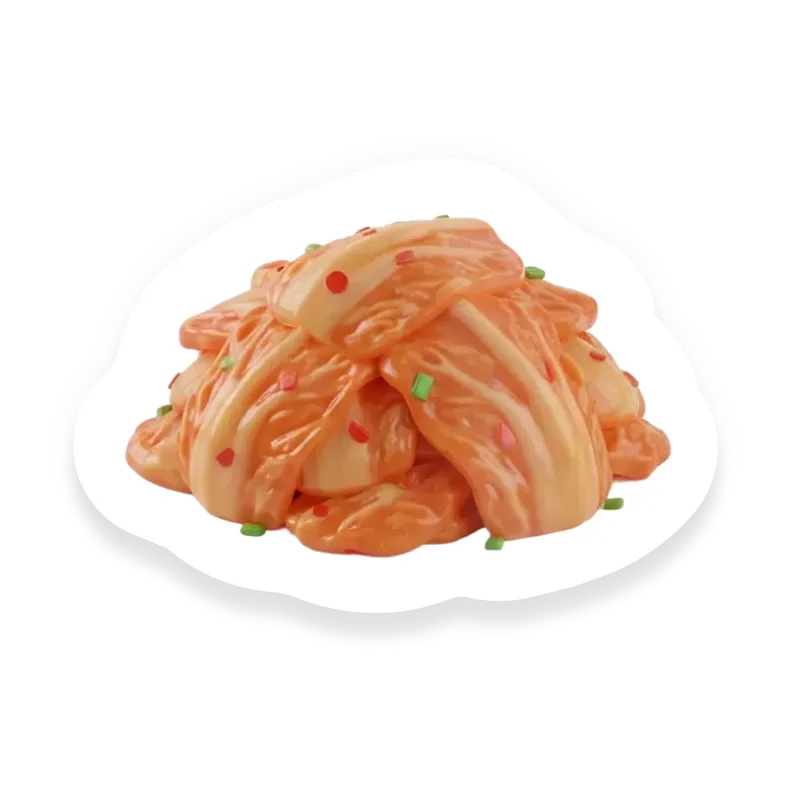
Kimchi
Vegetable
Is Kimchi Safe for Babies?
No, kimchi should be introduced around 6 months of age, and it should be given in small, simmered or chopped amounts to avoid high sodium and spicy heat.
Yes, but there are some things to know
At a Glance
Kimchi supports gentle digestion and more regular stools because it’s a fermented vegetable probiotic full of live beneficial bacteria. Its dietary fiber content and lactic acid bacteria like Lactobacillus help add bulk to stool and rebalance gut microbes.
Kimchi is a fermented vegetable dish that is rich in probiotics, plus fiber and vitamin C, which can help digestion and support the immune system. Many traditional recipes use fish sauce or salted shrimp, so kimchi contains seafood ingredients that may trigger allergic reactions in people with seafood sensitivities.
How Do You Serve Kimchi?
- 1Finely chop or thinly slice kimchi until soft and easy to pick up; mix into scoopable foods like porridge, rice, or soft noodles so pieces are small and flavors are distributed.
- 2For finger-feeding, offer a strip about the width of two adult fingers so baby can lick and munch—ensure it's cool and well-drained.
- 3Rinse kimchi briefly under cold running water to reduce heat and surface salt, then squeeze out excess liquid before serving.
- 4Read labels carefully—many kimchis contain fish, shellfish, sesame, or soy; introduce any potential allergens separately in small amounts and watch for reactions over several days.
Is Kimchi a Common Allergen?
Kimchi often contains fish- or shellfish-based ingredients (e.g., anchovy fish sauce or salted fermented shrimp) and some recipes use soy-based seasonings. Recipes vary—vegan/plant-based kimchi omits fish/shellfish. If your child has fish, shellfish, or soy allergies, check ingredient labels or ask how it was made; avoid unless you can verify it’s allergen-free. For severe allergies, treat kimchi as potentially unsafe unless confirmed otherwise.
What Nutrients Does Kimchi Have?
Kimchi provides fiber and probiotics from fermentation plus vitamins and micronutrients—notably vitamin C, vitamin B6, vitamin K, and folate—that support digestion, immune health, and growth. It is not a significant source of iron. Because kimchi can be high in sodium, offer small amounts and rinse if desired to reduce salt; avoid frequent servings to prevent excess sodium intake. Also check labels for common allergens (fish, shellfish, soy, sesame) and introduce any allergens separately.
Is Kimchi a Choking Hazard?
Low Choking Risk
Kimchi’s texture can vary—some batches are soft while others are firm or slippery—making it potentially a choking risk for young babies. Firm pieces like cabbage or radish and slippery bits can be hard for infants to chew and control. Keep babies within arm’s reach during meals, watch closely for signs of choking, and be prepared to act with appropriate first aid.
Have More Questions?
Yes. Kimchi can be introduced in small amounts around 6 months when starting solids, but be mindful of its high sodium content and potential spicy and fermented qualities.
Yes. Kimchi provides probiotics, fiber, and vitamins that support gut health and growth, making it a healthy addition to a baby's diet when prepared appropriately.
Yes, but with caution. Kimchi may contain anchovies, shellfish, sesame, and mustard, which are common allergens. Always check ingredient labels and introduce new foods gradually.
Yes, it can be a choking hazard. Kimchi's fermented, slippery, or chewy textures may pose risks, so serve in small, manageable pieces and supervise during meals.
Start with small portions once your baby has begun solids, then increase based on their interest and tolerance, following their cues for more or less.
Is Kimchi safe for your baby?
Get personalized guidance on introducing Kimchi — with prep tips, allergen alerts, and age-specific serving ideas.
Sources
- Anaphylaxis to cabbage: detection of allergens pubmed.ncbi.nlm.nih.gov
What Other Vegetable Can Babies Eat?
See all →
Backed by Science
Data you can trust.
Every food, guideline, and recommendation in Tummi is sourced from leading health institutions and peer-reviewed research.
 Centers for Disease Control and Prevention
Developmental milestones, nutrition guidelines, and allergen introduction timelines.
 American Academy of Pediatrics
Evidence-based feeding recommendations from the leading pediatric authority.
 National Institutes of Health
Peer-reviewed research on infant nutrition, allergies, and food safety.