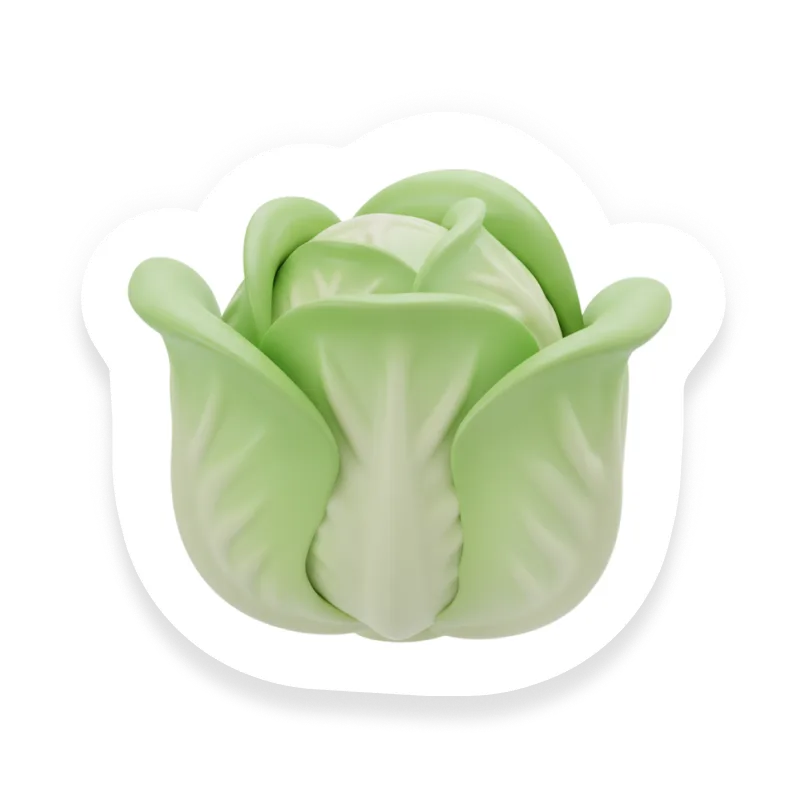
Lettuce
Vegetable
Is Lettuce Safe for Babies?
Yes, lettuce can be introduced around 6 months, but serve it finely chopped or shredded for easy chewing and swallowing.
Yes, but there are some things to know
At a Glance
With its high water content, lettuce supplies gentle dietary fiber that helps soften stool and make it easier to pass. Eating it regularly as part of a balanced diet can help support gentle, regular digestion.
How Do You Serve Lettuce?
- 1Remove the flimsy leaf and offer a long, sturdy lettuce rib for baby to hold and gnaw—this gives a safe handle and supports teething.
- 2Cook until very soft (steam or sauté), then finely shred or chop before serving to reduce choking risk.
- 3Fold shredded lettuce into scoopable foods like yogurt, mashed avocado, or purees so baby can practice self-feeding and taste greens.
- 4Start with small amounts mixed into familiar foods and repeat often to build acceptance. Mix with a favorite (for example yogurt or mashed potato) to make the flavor more appealing.
- 5Always supervise and offer only soft, appropriately sized pieces; discard fibrous or slippery bits that could cause gagging.
Is Lettuce a Common Allergen?
Lettuce rarely causes true food allergy, but people with pollen allergies can get oral allergy syndrome (itching or swelling of the lips, mouth, or throat) when eating raw lettuce. There are rare reports of more serious lettuce-specific reactions. The main practical risk for children is cross‑contamination in salads or prepared foods (dressings and toppings can contain nuts, eggs, dairy, shellfish, or gluten), so always check ingredients and avoid mixed salads if a child has known allergies. Wash leaves well before serving to reduce surface contaminants.
What Nutrients Does Lettuce Have?
Lettuce is low-calorie and mostly water but supplies valuable micronutrients for babies, notably vitamin A (vision and immune support), vitamin K (blood and bone health), potassium (electrolyte/heart function), small amounts of folate and vitamin C, and fiber to aid digestion. Benefits include hydration and gentle fiber that can help stooling and introduce green flavors early to support acceptance of vegetables. Cautions: lettuce is low in iron and calories so shouldn’t replace iron- and calorie-dense foods; wash thoroughly to reduce foodborne-illness risk, and avoid relying on large volumes of lettuce which could displace more nutrient-dense foods.
Is Lettuce a Choking Hazard?
Very Low Choking Risk
Lettuce isn’t typically a common choking hazard, but its flimsy leaves and small shreds can cling to the roof of the mouth or be aspirated, often causing gagging or coughing in young eaters. Because babies can struggle to manage loose shreds or whole leaves, closely supervise them during meals and stay within arm’s reach. If your child has repeated choking, difficulty breathing, or a concerning reaction, seek immediate medical help.
Have More Questions?
Yes. Lettuce can be stored in a refrigerator wrapped in a towel or in a loosely covered container for several days, but it's best to consume it fresh for optimal quality.
Yes. You can freeze pureed or chopped lettuce to extend its shelf life, but freezing may alter its texture, making it more suitable for cooked dishes or purees.
Yes. Organic lettuce is grown without synthetic pesticides or fertilizers, making it a good choice if you prefer organic produce for your baby's diet.
Yes. You can combine lettuce with other baby-friendly foods like carrots or cucumbers to create a balanced and varied meal for your little one.
Yes. Typical portion sizes for babies around 6 months are small, about 1-2 teaspoons of chopped or pureed lettuce, depending on their appetite and tolerance.
Is Lettuce safe for your baby?
Get personalized guidance on introducing Lettuce — with prep tips, allergen alerts, and age-specific serving ideas.
Sources
- Centers for Disease Control. Lettuce, Other Leafy Greens, and Food Safety. cdc.gov
- U.S. Food & Drug Administration. Selecting and Serving Produce Safely. fda.gov
- Muñoz-García E., Luengo-Sánchez O., Moreno-Pérez N., Cuesta-Herranz J., Pastor-Vargas C., & Cardona V. Lettuce Allergy Is a Lipid Transfer Syndrome-Related Food Allergy With a High Risk of Severe Reactions (2017). doi.org
- Helbling A., Schwartz HJ., Lopez M., Lehrer SB. Lettuce and carrot allergy: are they related? Allergy Proc. (1994). doi.org
- Asero R., Mistrello G., Roncarolo D., Amato S., Caldironi G., Barocci F., Van Ree R. Immunological cross-reactivity between lipid transfer proteins from botanically unrelated plant-derived foods: a clinical study. (2002). pubmed.ncbi.nlm.nih.gov
- Canela L. Oral allergy syndrome. The World Allergy Organization Journal (2015). doi.org
- Kashyap R.R., Kashyap R.S. Oral Allergy Syndrome: An Update for Stomatologists. Journal of Allergy (2015). doi.org
- American Academy of Allergy Asthma & Immunology. Oral Allergy Syndrome (OAS) or Pollen Food Syndrome (PFS). aaaai.org
What Other Vegetable Can Babies Eat?
See all →

Backed by Science
Data you can trust.
Every food, guideline, and recommendation in Tummi is sourced from leading health institutions and peer-reviewed research.
 Centers for Disease Control and Prevention
Developmental milestones, nutrition guidelines, and allergen introduction timelines.
 American Academy of Pediatrics
Evidence-based feeding recommendations from the leading pediatric authority.
 National Institutes of Health
Peer-reviewed research on infant nutrition, allergies, and food safety.