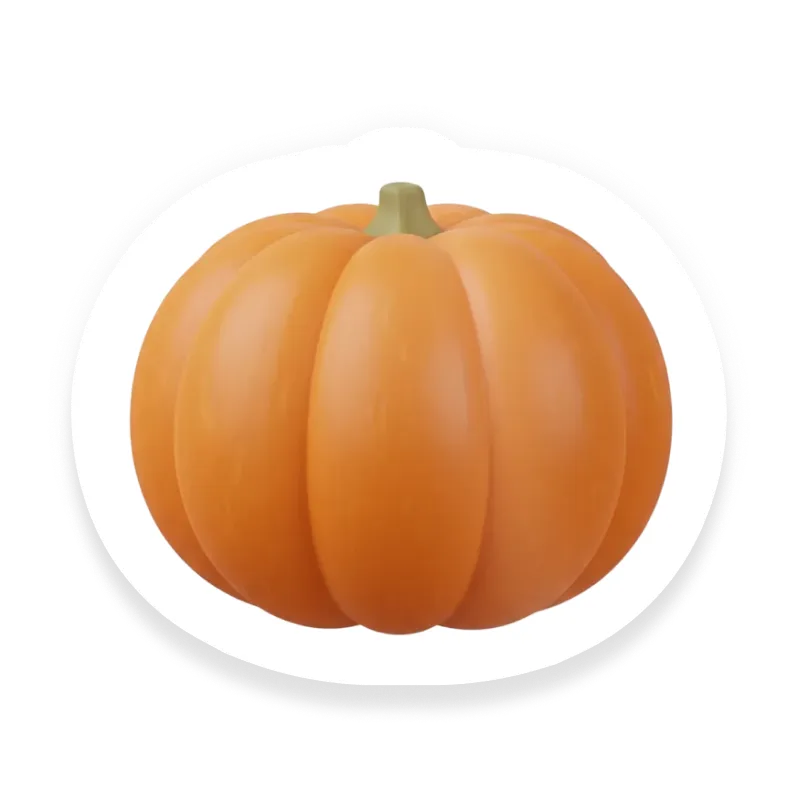
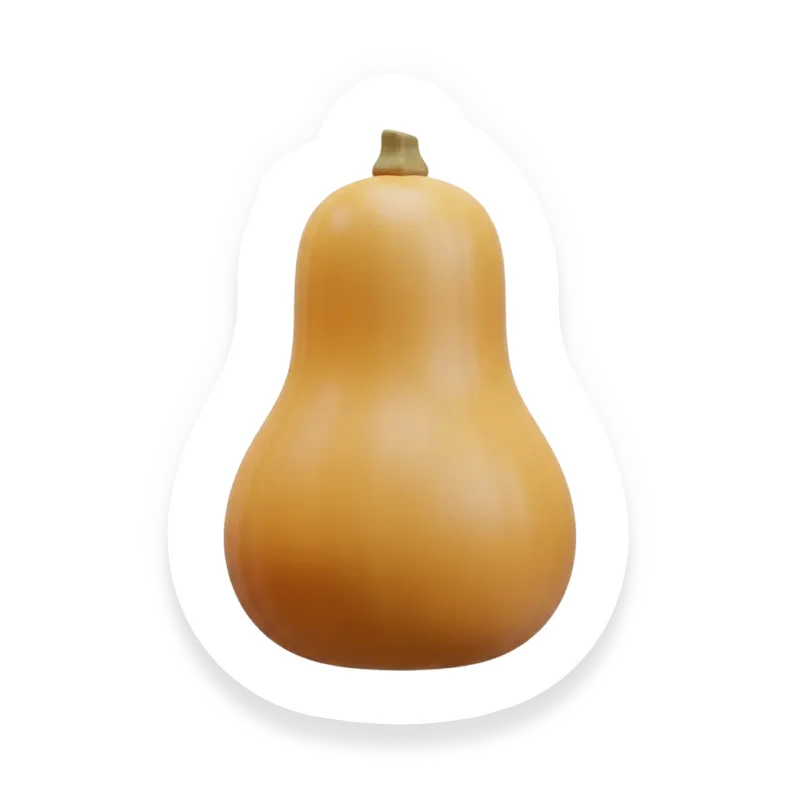
Pumpkin
Vegetable
Is Pumpkin Safe for Babies?
Yes, babies can eat pumpkin as early as 6 months, when they are ready to start solids, served cooked and pureed.
Yes, but there are some things to know
At a Glance
Pumpkin supplies iron that supports healthy blood and helps keep energy steady. Pumpkin seeds are rich in iron and also contain healthy fats and minerals that help the body use iron.
Pumpkin is rich in fiber and water, so it helps soften stool and supports regular bowel movements. Its soluble and insoluble fiber add bulk and hold water, making stool easier to pass.
How Do You Serve Pumpkin?
- 1Cook pumpkin until very soft (steam or roast) and mash to a smooth, lump-free texture that can be scooped or pre-loaded on a spoon — no added salt or sugar.
- 2For self-feeding, cut into small crescent or wedge pieces that fit in baby’s palm; keep the rind only if it’s soft and thin, otherwise remove it and always remove seeds and stringy bits — check for seeds.
- 3Sit with your baby and stay within arm’s reach while they mouth or chew, ready to help move or break up any large pieces.
- 4If spoon-feeding, pre-load a small, soft spoonful of mash and test the temperature on your wrist before offering.
Is Pumpkin a Common Allergen?
Pumpkin flesh is not a common food allergen for most children, but people with ragweed or pollen allergies can get oral allergy syndrome (itchy/tingly mouth or throat) when eating some raw gourds. Pumpkin seeds can, in rare cases, trigger true allergic reactions (including anaphylaxis), so introduce seeds cautiously and watch for hives, swelling, breathing changes, or vomiting. Processed pumpkin products may have cross-contact with dairy, gluten, or other allergens—check labels if your child has known allergies.
What Nutrients Does Pumpkin Have?
Pumpkin is a nutrient-dense, baby-friendly vegetable containing carbohydrates, fluid, fiber, and key micronutrients—notably beta‑carotene (vitamin A precursor), vitamins C and B6, folate, iron, magnesium, and potassium. Beta‑carotene and carotenoids (lutein, zeaxanthin) support vision and immune health, while iron and B vitamins help growth and brain development; fiber and fluids aid digestion. Offer cooked or canned pumpkin from around 6 months as part of a varied diet. Eating pumpkin in moderation is safe—very large amounts of beta‑carotene can cause harmless yellowing of the skin but is not toxic; balance pumpkin with other iron-rich foods for optimal nutrition.
Is Pumpkin a Choking Hazard?
Low Choking Risk
Cooked, soft pumpkin is generally low choking risk when seeds are removed and it’s prepared with your child’s developmental stage in mind. Keep your baby within arm’s reach and stay attentive during meals, since any food can pose a choking risk. Learn the signs of choking and be prepared to act calmly and quickly if needed.
Have More Questions?
Yes, parents can store pumpkin purees in the refrigerator for up to 3 days or freeze for up to 3 months, making meal planning easier.
Yes, pumpkin purees can be frozen in ice cube trays or small containers to extend freshness and convenience for future feedings.
Yes, organic pumpkin is often preferred for babies to avoid pesticides, but conventional pumpkin is also safe if properly washed.
Yes, combining pumpkin with other mild vegetables like carrots or sweet potatoes can introduce your baby to diverse flavors and textures.
Typically, a serving size for a baby is about 1-2 tablespoons of pureed pumpkin per feeding, depending on age and appetite.
Is Pumpkin safe for your baby?
Get personalized guidance on introducing Pumpkin — with prep tips, allergen alerts, and age-specific serving ideas.
Sources
- The Profile of Carotenoids and Other Bioactive Molecules in Various Pumpkin Fruits (Cucurbita maxima Duchesne) Cultivars doi.org
- Butternut squash (Cucurbita moschata) dermatitis pubmed.ncbi.nlm.nih.gov
What Other Vegetable Can Babies Eat?
See all →
Backed by Science
Data you can trust.
Every food, guideline, and recommendation in Tummi is sourced from leading health institutions and peer-reviewed research.
 Centers for Disease Control and Prevention
Developmental milestones, nutrition guidelines, and allergen introduction timelines.
 American Academy of Pediatrics
Evidence-based feeding recommendations from the leading pediatric authority.
 National Institutes of Health
Peer-reviewed research on infant nutrition, allergies, and food safety.