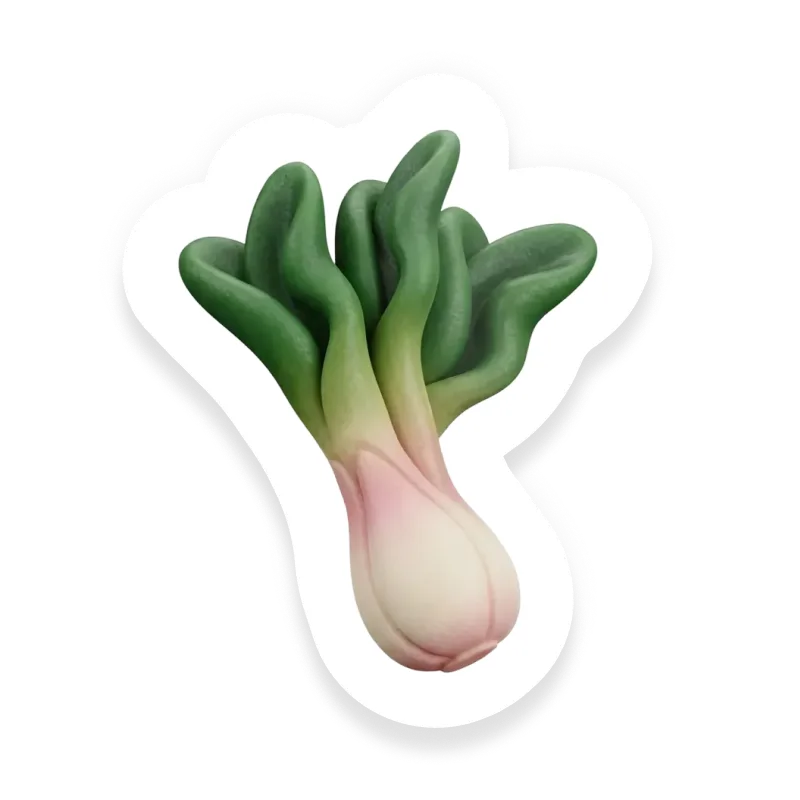
Ramps
Vegetable
Is Ramps Safe for Babies?
Yes, ramps can be introduced around 6 months of age once your baby is starting solids; ensure they are cooked and finely chopped.
Yes, but there are some things to know
At a Glance
Ramps' leaves concentrate plant antioxidants and nutrients, especially quercetin and kaempferol, and they contain measurable vitamin C. Their bulbs also include the sulfur compound allicin, and these flavonoids and sulfur compounds are linked in research to lower gut inflammation and to effects on the gut microbiome that can support regular digestion.
How Do You Serve Ramps?
- 1Cook ramps until very soft (sauté or simmer for several minutes), then finely chop until pieces are tiny and easy to mash.
- 2Stir a small amount of the chopped, well-cooked ramps into soft finger foods like egg strips or large, tender meatballs — ensure pieces are very small and fully soft before serving.
- 3Or make a ramp butter: soften unsalted butter and mix in a tiny amount of finely chopped, well-cooked ramps; start with a tiny quantity because the flavor can be strong.
- 4Serve only small amounts at first (pea-sized), watch closely for any reactions, and ensure textures are soft to prevent choking.
Is Ramps a Common Allergen?
Ramps (wild leeks) are not a common allergen but are members of the Allium family (onions/garlic), so people with onion or garlic allergies or allium intolerance may react. Raw ramps can be strong and sometimes cause digestive upset in sensitive children. Foraged ramps can be mistaken for poisonous look‑alikes, so only use properly identified or store‑bought ramps. Avoid giving ramps to children with known onion/garlic allergies and introduce cautiously otherwise.
What Nutrients Does Ramps Have?
Ramps are a low‑calorie, nutrient‑dense wild allium that provides vitamin C, vitamin A (beta‑carotene), folate, potassium, magnesium, small amounts of iron, fiber, and antioxidant flavonols—nutrients that support immune health, growth, vision, and electrolyte balance in infants. Vitamin C helps immune function and boosts iron absorption; folate supports rapid growth and development; potassium and magnesium help maintain electrolyte balance. Allergies are rare but possible (oral allergy syndrome), and strong raw preparations or concentrated ramp butter can be irritating—introduce small amounts, cook until soft for younger babies, and watch for reactions.
Is Ramps a Choking Hazard?
Low Choking Risk
Cooked ramps present a low choking risk for babies, but any food can cause choking in rare cases. Stay within arm’s reach during meals and watch closely for signs of gagging or choking so you can respond immediately. Consider learning infant choking first aid before offering new foods.
Have More Questions?
It depends. Ramps can be nutritious for babies, offering fiber and micronutrients, but should be served in small, cooked amounts to avoid digestive upset or choking.
It depends. Ramps are not a common allergen, but some children with pollen sensitivities might react; consult with your pediatrician before introducing.
It depends. When cooked and prepared in an age-appropriate size and texture, ramps are low-risk for choking, but always supervise your baby during meals.
It depends. You can store cooked ramps in an airtight container in the refrigerator for up to 1-2 days, and freeze pureed ramps for longer storage.
It depends. Organic ramps are grown without synthetic pesticides, but overall, rinsing thoroughly is recommended regardless of whether they are organic or conventional.
Is Ramps safe for your baby?
Get personalized guidance on introducing Ramps — with prep tips, allergen alerts, and age-specific serving ideas.
Sources
- Allium Flavonols: Health Benefits, Molecular Targets, and Bioavailability doi.org
- The flavonoids of leek, Allium porrum doi.org
- Characterization and quantification of major flavonol glycosides in ramps (Allium tricoccum) doi.org
- Unusual food allergy: Alioidea allergic reactions overview doi.org
- Oral Allergy Syndrome (OAS) or Pollen Fruit Syndrome (PFS) - AAAAI aaaai.org
What Other Vegetable Can Babies Eat?
See all →
Backed by Science
Data you can trust.
Every food, guideline, and recommendation in Tummi is sourced from leading health institutions and peer-reviewed research.
 Centers for Disease Control and Prevention
Developmental milestones, nutrition guidelines, and allergen introduction timelines.
 American Academy of Pediatrics
Evidence-based feeding recommendations from the leading pediatric authority.
 National Institutes of Health
Peer-reviewed research on infant nutrition, allergies, and food safety.