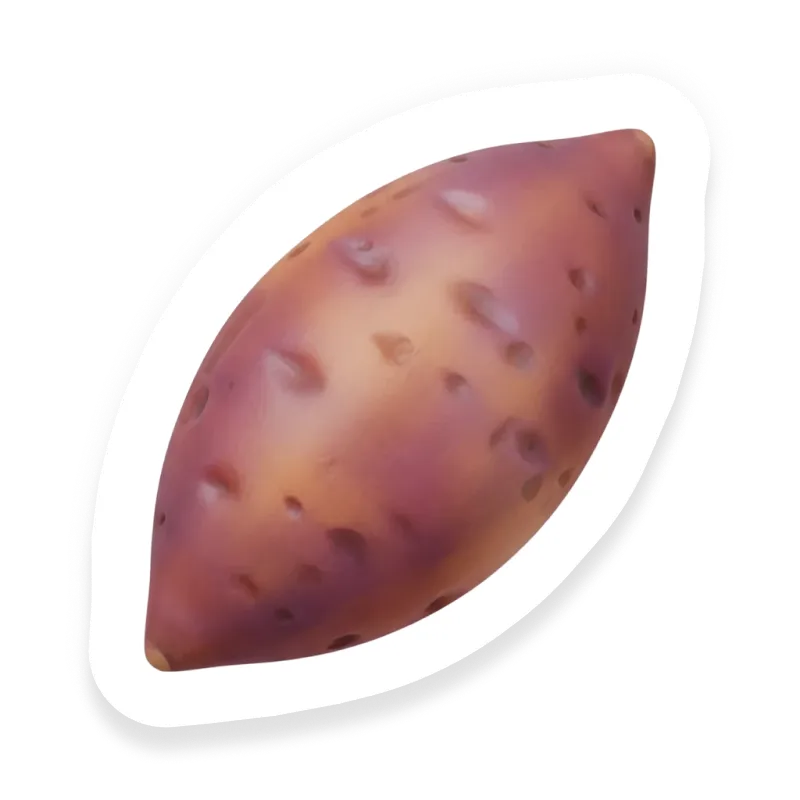
Sweet Potato
Vegetable
Is Sweet Potato Safe for Babies?
Yes, babies can eat sweet potato as soon as they are ready for solids, usually around 6 months old, when properly cooked and mashed for easy swallowing.
Yes, but there are some things to know
At a Glance
Sweet potatoes are high in fiber and have a notable resistant starch content, which adds bulk and helps stools move regularly. Their resistant starch and soluble fiber feed gut bacteria, producing short‑chain fatty acids that help keep the colon healthy.
How Do You Serve Sweet Potato?
- 1Offer fully cooked sweet potato wedges that are very soft and easy to gum; cut into long wedges or thick sticks so baby can grasp them safely.
- 2Serve smooth mashed sweet potato mixed with breast milk, formula, yogurt, or a little butter for extra calories and flavor, adjusting thickness so it's spoonable and not runny.
- 3Place a pre-loaded spoon or a single wedge nearby to invite early utensil exploration while you closely supervise.
- 4Cook by steaming, boiling, or baking until very soft. After cooling, store in fridge or freeze in portion-sized cubes; always reheat thoroughly and check the temperature before serving.
Is Sweet Potato a Common Allergen?
Sweet potatoes are considered low‑risk for typical food allergies and are commonly recommended as a first food. Rare reactions (including oral allergy symptoms or, very rarely, FPIES) have been reported, so introduce sweet potato on its own and watch for hives, repeated vomiting, diarrhea, or breathing difficulties. Offer when the baby shows readiness (around 6 months), introduce one new food at a time, and check labels on commercial purees for added ingredients. Contact your pediatrician immediately if you see signs of a severe allergic reaction.
What Nutrients Does Sweet Potato Have?
Sweet potatoes are nutrient-dense and an excellent first food for babies, providing beta‑carotene (vitamin A), vitamin C, B6, potassium, fiber, and small amounts of zinc and iron-supporting nutrients. Vitamin A supports vision and immune function, vitamin C aids iron absorption, and fiber and potassium support digestion and growth. They are low-allergen and safe when cooked soft and prepared appropriately; excessive intake may cause harmless skin yellowing (carotenemia) but true toxicity is unlikely from food alone. Offer sweet potatoes as part of a varied diet to ensure balanced nutrient intake.
Is Sweet Potato a Choking Hazard?
Low Choking Risk
Cooked, soft sweet potato poses a low choking risk when offered in an age-appropriate way, but any food can cause choking. Always stay within arm’s reach and watch closely while your baby is eating. Be familiar with the signs of choking versus gagging and know basic infant choking first aid in case of emergency.
Have More Questions?
Yes. Parents can store sweet potato purees in airtight containers in the refrigerator for up to 48 hours or freeze in small portions for longer storage.
Yes. You can prepare sweet potato in advance and freeze it in ice cube trays or storage containers, then thaw portions as needed.
Yes. Choosing organic sweet potatoes can reduce pesticide exposure, but conventional ones are also safe and nutritious for babies.
Yes. You can combine sweet potato with other cooked, soft foods like peas or carrots to introduce your baby to new flavors and textures.
Yes. Typical serving sizes for babies around 6 months are about 1-2 tablespoons of pureed sweet potato per feeding, gradually increasing as baby grows.
Is Sweet Potato safe for your baby?
Get personalized guidance on introducing Sweet Potato — with prep tips, allergen alerts, and age-specific serving ideas.
Sources
- Challenges and Considerations When Balancing the Risks of Contaminants with the Benefits of Fruits and Vegetables for Infants and Toddlers doi.org
- Occurrence of environmental pollutants in foodstuffs: A review of organic vs. conventional food doi.org
- Identification of a thermal stable allergen in yam (Dioscorea opposita) to cause anaphylaxis doi.org
- Oral Allergy Syndrome in Birch Pollen-Sensitized Patients from a Korean University Hospital doi.org
- Oral allergy syndrome doi.org
- International consensus guidelines for the diagnosis and management of food protein–induced enterocolitis syndrome (FPIES) doi.org
What Other Vegetable Can Babies Eat?
See all →
Backed by Science
Data you can trust.
Every food, guideline, and recommendation in Tummi is sourced from leading health institutions and peer-reviewed research.
 Centers for Disease Control and Prevention
Developmental milestones, nutrition guidelines, and allergen introduction timelines.
 American Academy of Pediatrics
Evidence-based feeding recommendations from the leading pediatric authority.
 National Institutes of Health
Peer-reviewed research on infant nutrition, allergies, and food safety.