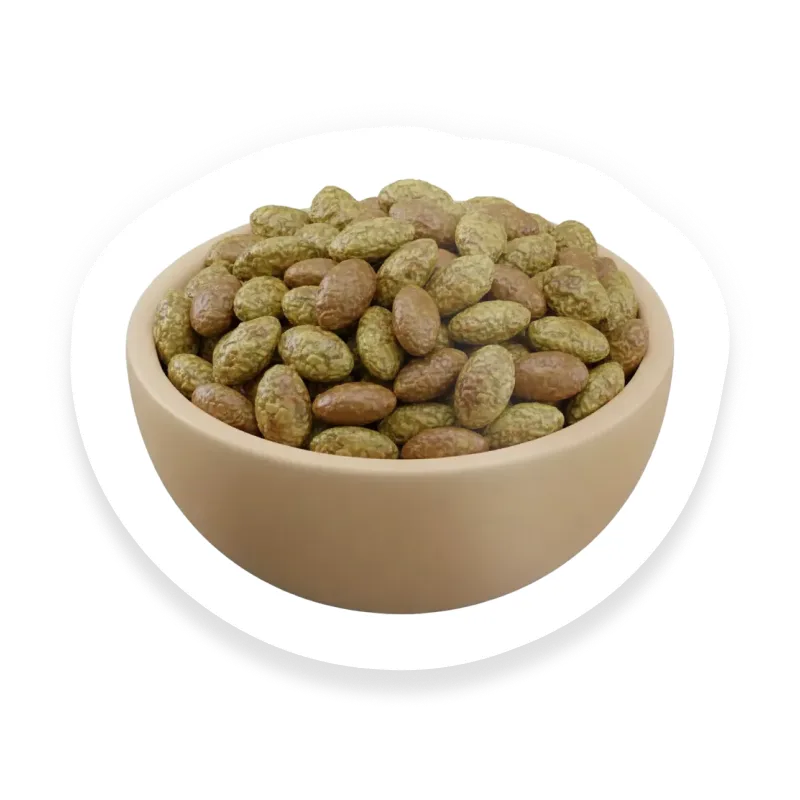
Freekeh
Grain
Is Freekeh Safe for Babies?
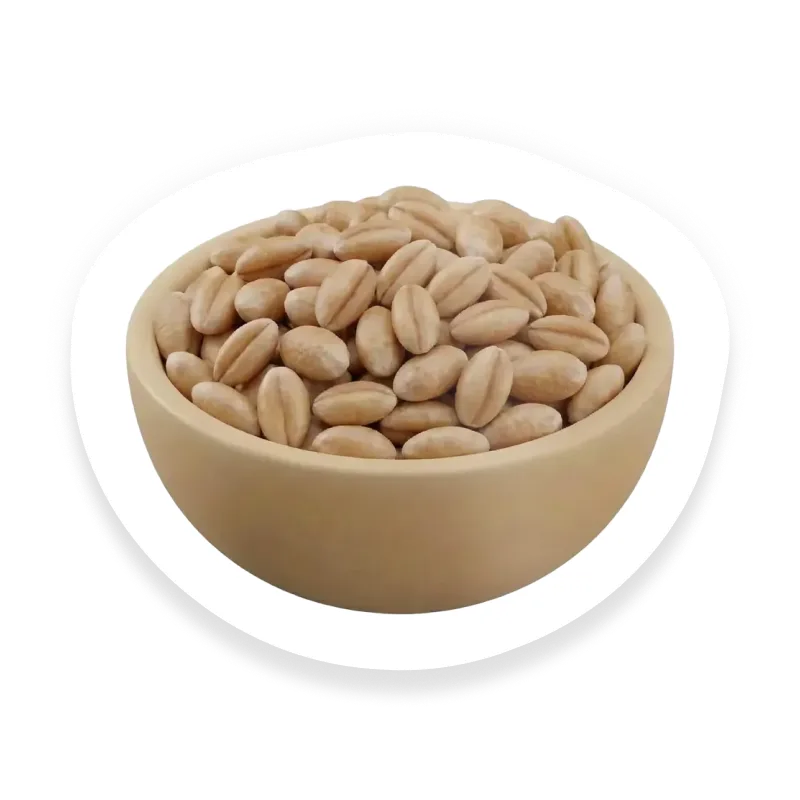
Yes, freekeh can be introduced around 6 months to babies ready for solids, but start with small amounts due to potential gluten sensitivity.
Yes, but there are some things to know
At a Glance
Freekeh is a whole grain and a good plant source of iron, which helps the body make healthy red blood cells and keep energy up. It also provides fiber and protein, plus minerals like magnesium and zinc that support digestion and overall health.
Freekeh is a whole grain rich in fiber and resistant starch that feeds beneficial gut bacteria and helps make stools bulkier and softer. Its high fiber content and resistant starch levels support more regular, comfortable bowel movements.
Freekeh is made from roasted green durum wheat and is high in fiber and rich in protein. Because it comes from wheat, it contains gluten proteins that can trigger reactions in people with celiac disease or a wheat allergy.
How Do You Serve Freekeh?
- 1Cook freekeh until very soft and tender (simmer about 20–30 minutes), then mash or purée to remove any firm bits.
- 2Start with a very small spoonful mixed into purees or stirred into yogurt so the grain is evenly distributed and not clumped.
- 3For a safer texture, spread a thin, flattened smear on yogurt rather than serving loose grains to reduce choking risk and limit fiber load.
- 4Because freekeh is made from wheat, offer only a tiny first serving and monitor for allergic signs for 3–5 days; stop and seek medical help if you notice hives, swelling, vomiting, or breathing difficulties.
Is Freekeh a Common Allergen?
Freekeh is made from young (green) wheat and therefore contains wheat proteins and gluten; it is not safe for people with celiac disease or a wheat allergy. Parents introducing freekeh to babies should offer small amounts initially, watch closely for allergic reactions, and consult their pediatrician if unsure. Always read product labels for cross-contact warnings and avoid freekeh products if your child has known gluten or wheat sensitivities.
What Nutrients Does Freekeh Have?
Freekeh is a nutrient-dense whole grain high in iron, zinc, calcium and B‑vitamins (including folate), plus fiber, protein and lutein/zeaxanthin — nutrients that support iron stores, growth, bone and brain development, vision, and gut regularity. It can be an excellent complementary food to help fill common nutrient gaps in infants when offered in appropriate small portions. Start with small servings because its high fiber can cause gas or discomfort if eaten in large amounts, and introduce cautiously because freekeh contains wheat/gluten, a common allergen.
Is Freekeh a Choking Hazard?
Very Low Choking Risk
Freekeh’s whole grain kernels are considered a potential choking hazard for babies, particularly those under 12 months. Always stay within arm’s reach and closely monitor your baby during meals, watching for signs of gagging or choking. If you’re concerned about choking risk, consult your pediatrician for personalized guidance.
Have More Questions?
Yes. Freekeh can be introduced to babies around 6 months when they start solids, but it’s important to introduce it gradually due to wheat being a common allergen.
Yes. Freekeh is a wholesome grain rich in nutrients like iron and fiber, making it a healthy addition to a baby's diet once they are ready for solids.
Yes. Whole grains like freekeh pose a choking hazard because of their kernels; ensure they are well-cooked and flattened or minced appropriately.
Yes. Since freekeh is made from wheat, it is a common allergen; start with small amounts and observe for reactions, especially if there is a family history of allergies.
It depends. For infants under 12 months, whole freekeh kernels might pose a choking risk; served properly, it can be safe but always supervise during feeding.
Is Freekeh safe for your baby?
Get personalized guidance on introducing Freekeh — with prep tips, allergen alerts, and age-specific serving ideas.
Sources
- Food Allergy Research & Education — Wheat foodallergy.org
- Beluska-Turkan K et al., Nutritional Gaps and Supplementation in the First 1000 Days (Nutrients, 2019) pmc.ncbi.nlm.nih.gov
- Abdel-Aal el-SM et al., Dietary sources of lutein and zeaxanthin (Nutrients, 2013) mdpi.com
- Elli L et al., Diagnosis of gluten related disorders (World J Gastroenterol, 2015) pmc.ncbi.nlm.nih.gov
- Feldweg AM, Food-Dependent, Exercise-Induced Anaphylaxis (J Allergy Clin Immunol Pract, 2017) pubmed.ncbi.nlm.nih.gov
- Kashyap RR & Kashyap RS, Oral Allergy Syndrome: An Update for Stomatologists (Journal of Allergy, 2015) onlinelibrary.wiley.com
- Centers for Disease Control and Prevention — Choking hazards (CDC) cdc.gov
- National Institutes of Health — Vitamin A (Office of Dietary Supplements fact sheet) ods.od.nih.gov
- Celiac Disease Foundation — What is Celiac Disease? celiac.org
What Other Grain Can Babies Eat?
See all →
Backed by Science
Data you can trust.
Every food, guideline, and recommendation in Tummi is sourced from leading health institutions and peer-reviewed research.
 Centers for Disease Control and Prevention
Developmental milestones, nutrition guidelines, and allergen introduction timelines.
 American Academy of Pediatrics
Evidence-based feeding recommendations from the leading pediatric authority.
 National Institutes of Health
Peer-reviewed research on infant nutrition, allergies, and food safety.