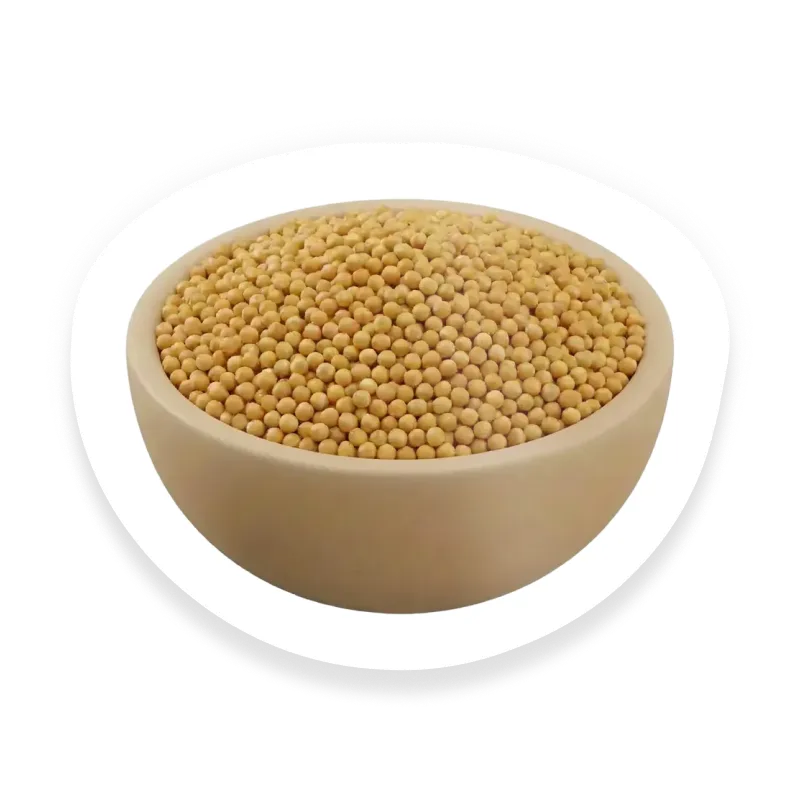
Millet
Grain
Is Millet Safe for Babies?
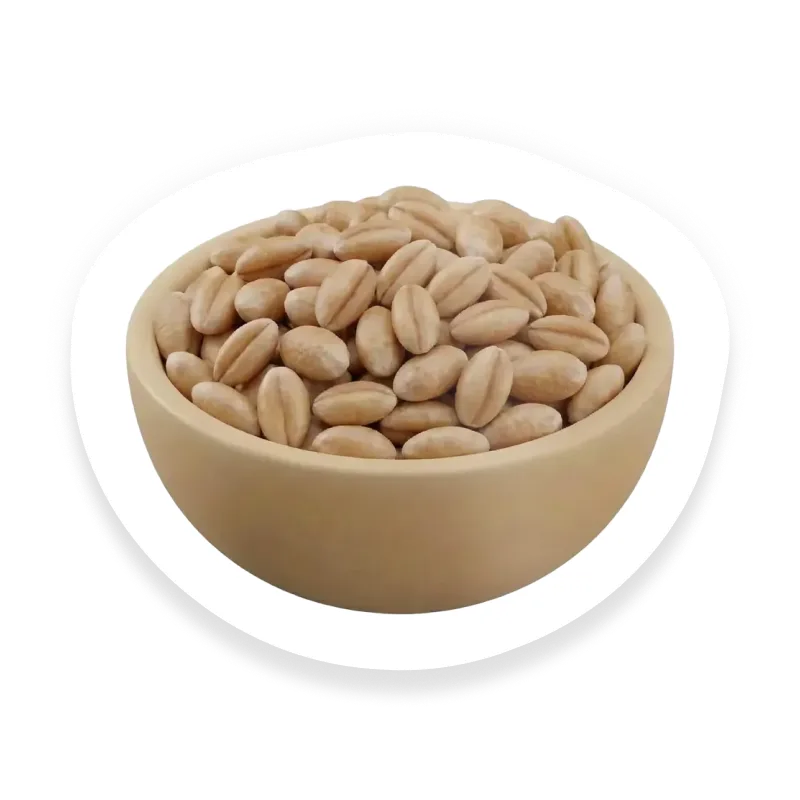
Yes, millet can be introduced around 6 months of age once your baby is ready for solids, and it should be prepared thoroughly to ensure safety.
Yes, but there are some things to know
At a Glance
Millet is rich in iron and can provide several milligrams of iron per 100 g, especially in pearl millet. It also supplies protein and minerals that help build hemoglobin, so including millet can support healthy blood and growth.
Millet is rich in fiber and contains resistant starch, which feed friendly gut bacteria and help keep stools soft and regular. These effects, plus millet's magnesium and B vitamins, support gentle digestion and a healthy gut.
How Do You Serve Millet?
- 1Stir very soft, fully cooked millet (no hard grains) into mashed vegetables, stewed greens, yogurt, or raita until the mixture forms a cohesive, scoopable texture that’s easy to swallow and reduces mess.
- 2Start with about 1 part cooked millet to 2 parts mashed food (roughly 2 tbsp millet to 4 tbsp vegetables) and adjust to reach a soft, moist but not runny consistency.
- 3Use thin millet porridge (thinned with breastmilk, formula, or water) for spoon-feeding, or press cooled cooked millet into small pancakes, dosas, or fritters as handheld pieces that hold together.
- 4Always check temperature, remove any hard grains, and serve in small, manageable bites; very soft millet reduces choking risk.
Is Millet a Common Allergen?
Millet is not a common allergen and is naturally gluten‑free, so it’s usually safe for people with celiac disease or wheat allergy. Rare millet allergies do occur, and people with cereal-grain sensitivities may react. Cross-contact with gluten-containing grains can happen during harvesting/processing, so choose certified gluten‑free millet if you need strict gluten avoidance. Introduce millet to infants like other single-grain cereals and watch for any signs of allergic reaction.
What Nutrients Does Millet Have?
Millet is a nutrient-dense grain that provides carbohydrates for energy, plant protein and fiber for digestion, plus key micronutrients important for babies — notably calcium, folate, vitamin B6, zinc, antioxidants, and a modest amount of iron that supports bone growth, neurodevelopment, and red blood cell formation. These nutrients make millet a useful early grain (especially when paired with vitamin C to boost iron absorption) and a good way to add plant-based protein, fiber, and micronutrients to a varied diet. Typical serving amounts aren’t harmful, but very high intake of phytate-rich grains can reduce mineral absorption and excess fiber may displace other calories, so offer millet alongside varied foods and vitamin C–rich produce.
Is Millet a Choking Hazard?
Very Low Choking Risk
Cooked millet generally presents a low choking risk for babies. Loose, individual grains can scatter in the mouth and trigger gagging or coughing, so keep a close eye while baby eats. Stay within arm’s reach during meals and learn the signs of choking so you can respond quickly if needed.
Have More Questions?
Yes. When preparing millet for a baby, ensure it is cooked thoroughly and mashed or pureed to an appropriate consistency to prevent any choking hazards.
Yes. Cooked millet can be stored in an airtight container in the refrigerator for up to 24 hours or frozen for longer storage, making it convenient for meal prep.
Yes. Organic millet is available and can be a good choice for babies, but conventional millet is equally nutritious and safe for young children.
Yes. Millet can be combined with other baby-friendly foods like fruits and vegetables to introduce new flavors and nutritional variety.
Yes. Portion sizes for babies typically start small, around 1-2 tablespoons of cooked millet, and can gradually increase based on your child's appetite and developmental stage.
Is Millet safe for your baby?
Get personalized guidance on introducing Millet — with prep tips, allergen alerts, and age-specific serving ideas.
Sources
- Health benefits of finger millet (Eleusine coracana L.) polyphenols and dietary fiber: a review doi.org
- Immediate-type respiratory allergy to millet-containing seed mixture of bird food doi.org
- Common millet anaphylaxis: a case of a bird-keeper sensitized to millet via inhalation, who developed anaphylaxis after oral ingestion doi.org
- Allergy to millet: another risk for atopic bird keepers doi.org
- 16-kilodalton rice protein is one of the major allergens in rice grain extract and responsible for cross-allergenicity between cereal grains in the Poaceae family doi.org
- Food allergy to millet and cross-reactivity with rice, corn and other cereals doi.org
What Other Grain Can Babies Eat?
See all →
Backed by Science
Data you can trust.
Every food, guideline, and recommendation in Tummi is sourced from leading health institutions and peer-reviewed research.
 Centers for Disease Control and Prevention
Developmental milestones, nutrition guidelines, and allergen introduction timelines.
 American Academy of Pediatrics
Evidence-based feeding recommendations from the leading pediatric authority.
 National Institutes of Health
Peer-reviewed research on infant nutrition, allergies, and food safety.