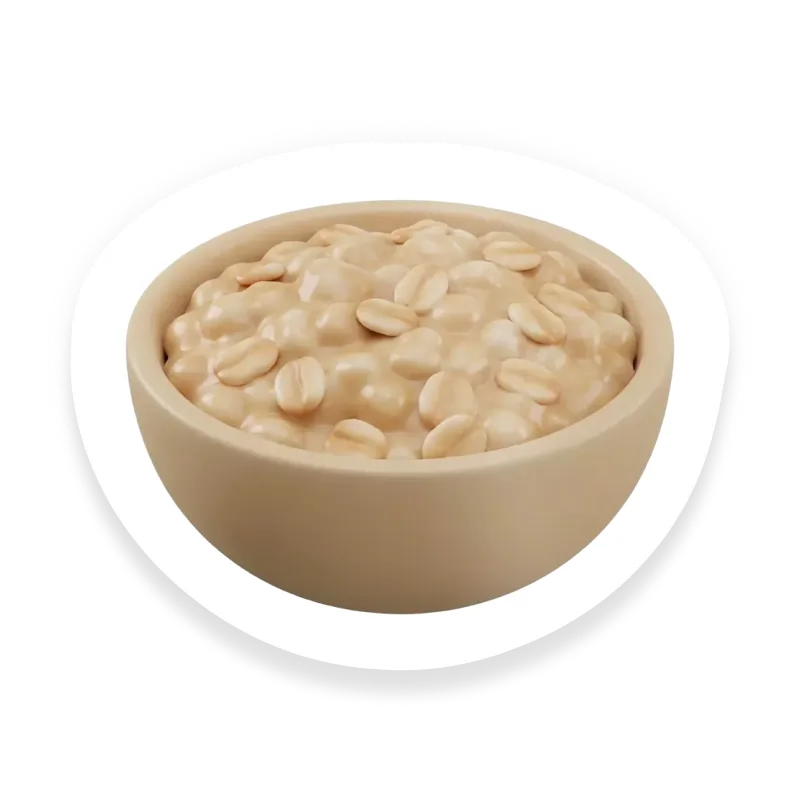
Oats
Grain
Is Oats Safe for Babies?
Yes, oats can be introduced around 6 months of age, ensuring they are plain, cooked, and appropriately prepared for your baby.
Yes, but there are some things to know
At a Glance
Oatmeal helps make stools softer and more regular because it is rich in soluble oat fiber that soaks up water and forms a gentle gel. It also feeds gut bacteria, which produce short-chain fatty acids that help the gut work smoothly.
How Do You Serve Oats?
- 1Cook oats in breast milk, formula, water, or pasteurized cow's milk until very soft; they should cling to a spoon or roll into a soft ball for easy self-feeding.
- 2Preload a spoon and offer it during mealtimes to encourage reaching and practice, and serve small portions on the tray so the child can grab and explore.
- 3Stir and test a small amount on the inside of your wrist — warm, not hot.
- 4Do not add honey or serve products containing honey, and avoid adding salt or sweeteners; keep textures soft to reduce choking risk.
Is Oats a Common Allergen?
Oats are not one of the top food allergens for most people, but they can cause issues in two ways: cross-contact with wheat/barley/rye (gluten) during growing and processing, and a rare sensitivity or allergy to the oat protein avenin. Choose products labeled “gluten‑free” if your child has celiac disease or gluten intolerance, and avoid oats entirely if an oat allergy or avenin sensitivity has been diagnosed. If you’re unsure or your child has had reactions (hives, swelling, vomiting, breathing trouble), consult your pediatrician or an allergist before offering oats.
What Nutrients Does Oats Have?
Oats are a nutrient-dense whole grain high in complex carbohydrates and soluble fiber (beta‑glucan), which supports gut and immune health and provides steady energy. They supply key micronutrients for infants—notably zinc, and smaller but valuable amounts of iron (often added in infant oat products), folate, choline, magnesium, and selenium—that support growth, brain development, and immune function. Offer oats as part of a varied diet: excessive intake can displace breast milk or formula and very high fiber may reduce appetite or affect mineral absorption, so choose fortified infant oats when extra iron is needed and vary grains.
Is Oats a Choking Hazard?
Very Low Choking Risk
Cooked, soft oats and oatmeal are generally low risk for choking, but firm or dense oat forms (like granola or clusters) pose a higher choking hazard. Always keep baby seated upright and within arm’s reach during meals and remain vigilant, since any food can potentially cause choking. If you have concerns, consult your pediatrician and ensure you know infant choking first aid.
Have More Questions?
Yes. You can store cooked oats in an airtight container in the fridge for up to 24 hours, but avoid freezing leftover cooked oats as texture may degrade.
Yes. Freezing pureed oats in small portions allows for easy meal prep and helps reduce waste; just ensure they are cooled completely before freezing.
Yes. Organic oats are grown without synthetic pesticides and fertilizers, but both organic and conventional oats are nutritious; organic may be preferable for minimizing chemical exposure.
Yes. Combining oats with fruits, vegetables, or dairy can diversify flavors and introduce your baby to new tastes and textures, supporting healthy eating habits.
Yes. Typical portion sizes for babies around 6-8 months are about 2-4 tablespoons of cooked oats; adjust based on your child's appetite and developmental stage.
Is Oats safe for your baby?
Get personalized guidance on introducing Oats — with prep tips, allergen alerts, and age-specific serving ideas.
Sources
- Nutraceutical functions of beta-glucans in human nutrition doi.org
- The Cholesterol-Lowering Effect of Oats and Oat Beta Glucan doi.org
- A systematic review of phytochemicals in oat and buckwheat doi.org
- Oat sensitization in children with atopic dermatitis doi.org
- Emerging triggers of food protein-induced enterocolitis syndrome doi.org
- Food protein-induced enterocolitis syndrome: guidelines summary and practice recommendations doi.org
- Safety of Adding Oats to a Gluten-Free Diet for Patients With Celiac Disease doi.org
- Co-exposure to methylmercury and inorganic arsenic in baby rice cereals doi.org
- Arsenic in your food (Consumer Reports, 2012) consumerreports.org
What Other Grain Can Babies Eat?
See all →

Backed by Science
Data you can trust.
Every food, guideline, and recommendation in Tummi is sourced from leading health institutions and peer-reviewed research.
 Centers for Disease Control and Prevention
Developmental milestones, nutrition guidelines, and allergen introduction timelines.
 American Academy of Pediatrics
Evidence-based feeding recommendations from the leading pediatric authority.
 National Institutes of Health
Peer-reviewed research on infant nutrition, allergies, and food safety.