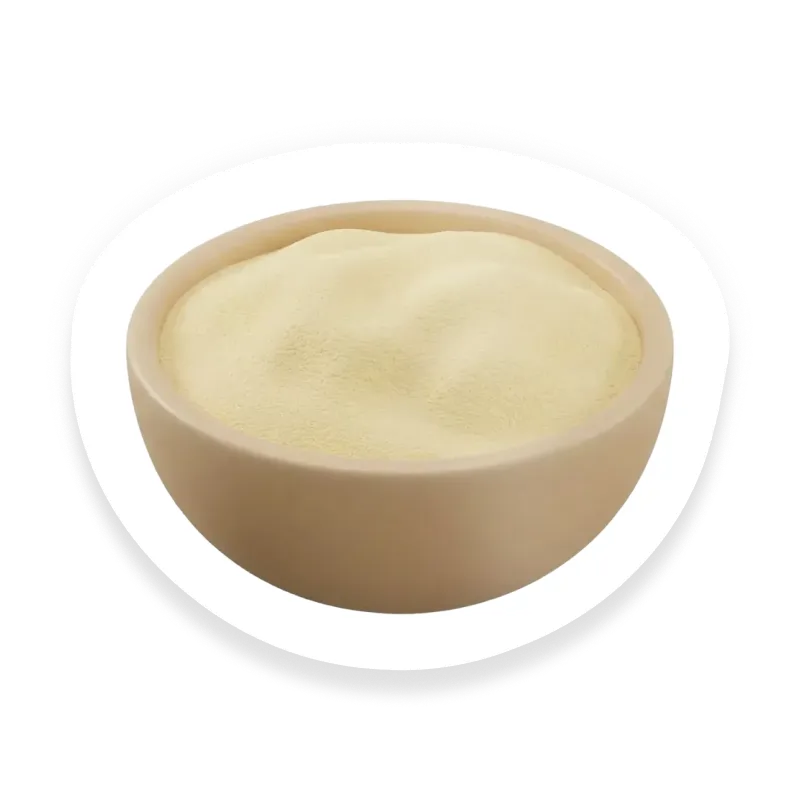
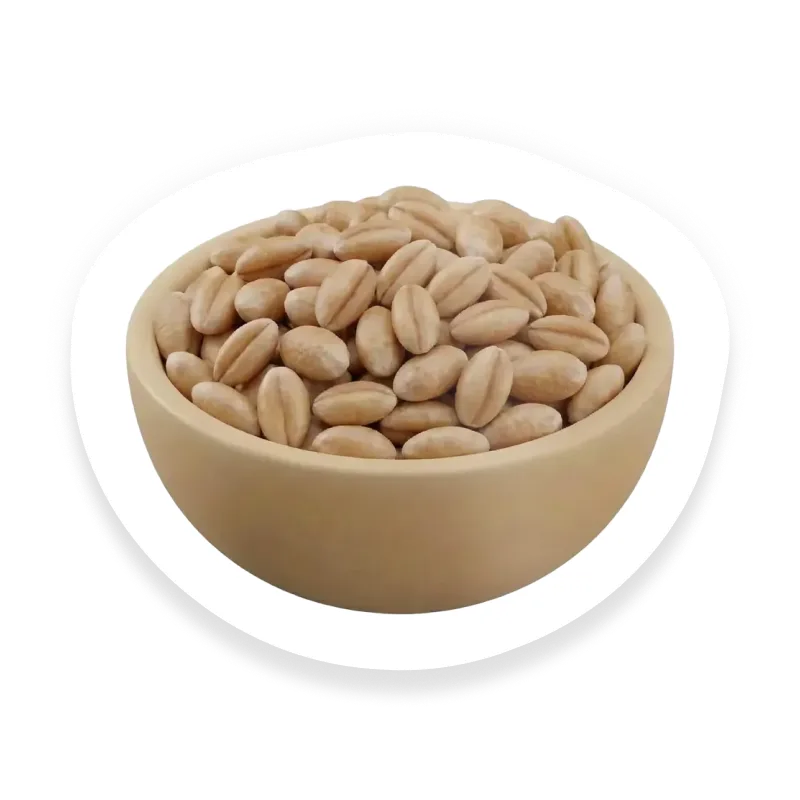
Semolina
Grain
Is Semolina Safe for Babies?
Yes, babies can eat semolina from around 6 months old once they are ready for solids, prepared appropriately.
Yes, but there are some things to know
At a Glance
Semolina is rich in iron, giving a useful share of the daily iron need in a typical serving. Its iron and B vitamins help make blood and support healthy red blood cells.
Semolina, made from durum wheat, provides modest dietary fiber content that adds bulk and softens stool for easier passage. Its starches and protein support gentle digestion and can help keep regular bowel movements.
Semolina is a wheat-derived flour that contains wheat gluten, so it can cause reactions in people with wheat allergy or celiac disease. It is also high in protein and contains B vitamins, giving steady energy and nutrients like iron and folate.
How Do You Serve Semolina?
- 1Cook semolina into a smooth, lump-free porridge using breast milk, formula, or water; if using cow's milk, use only a small amount and only after confirming no dairy allergy.
- 2Aim for a thick but spoonable texture (about 1:4–1:5 semolina to liquid); cool and test temperature before serving.
- 3Serve spoon-fed or preload small amounts in a soft cup or tray so baby can scoop; stir in mashed fruits, vegetables, or a pinch of mild spice for extra flavor.
- 4Never add honey. If offering couscous, mix it into a sauce or plain yogurt so the tiny grains stick together and are easier for baby to manage.
Is Semolina a Common Allergen?
Semolina is made from durum wheat and contains gluten, so it is unsafe for children with celiac disease, non‑celiac gluten sensitivity, or a wheat allergy. Parents should avoid semolina-containing products (including many pastas, couscous, and some baked goods), check labels for wheat or durum, and be alert for cross-contamination. Consider certified gluten‑free substitutes (rice, corn, or gluten‑free pasta) and consult your pediatrician or dietitian with any concerns.
What Nutrients Does Semolina Have?
Semolina is primarily a source of energy-rich complex carbohydrates with moderate protein and very little fat, plus modest fiber. It provides notable amounts of iron and B vitamins (including folate and niacin), which support red blood cell production, energy metabolism and growth — useful for older infants starting solids. Because it’s a wheat product, it contains gluten and is a common allergen; it can displace other nutrient-dense foods if offered in excess, so serve in appropriate portions and include iron-rich foods (or continued iron-fortified formula/breastfeeding).
Is Semolina a Choking Hazard?
Very Low Choking Risk
Semolina is generally a low choking risk when it’s prepared in a way that matches a child’s age and developmental skills, though any food can theoretically cause choking. Watch your baby closely during meals, stay within arm’s reach, and be familiar with infant choking first aid so you can respond quickly if needed.
Have More Questions?
Yes. Semolina can be introduced around 6 months when your baby is ready for solids, offering a source of energy, iron, and protein.
Yes. Semolina provides essential nutrients like B vitamins, iron, and protein, supporting growth and development in babies.
Yes, but it is a wheat product and contains gluten, which is a common allergen. Consult with your pediatrician if your baby has gluten sensitivities or allergies.
No. When properly prepared and served in appropriate textures, semolina is not a choking hazard for babies.
No. Semolina is made from durum wheat and contains gluten, so it is not suitable for babies with celiac disease or gluten intolerance.
Is Semolina safe for your baby?
Get personalized guidance on introducing Semolina — with prep tips, allergen alerts, and age-specific serving ideas.
Sources
- Food Allergy Research & Education — Wheat Allergy foodallergy.org
- American College of Allergy, Asthma & Immunology — Wheat Allergy acaai.org
- Food-Dependent, Exercise-Induced Anaphylaxis: Diagnosis and Management in the Outpatient Setting (J Allergy Clin Immunol Pract, 2017) doi.org
- Oral Allergy Syndrome: An Update for Stomatologists (Journal of Allergy, 2015) doi.org
What Other Grain Can Babies Eat?
See all →
Backed by Science
Data you can trust.
Every food, guideline, and recommendation in Tummi is sourced from leading health institutions and peer-reviewed research.
 Centers for Disease Control and Prevention
Developmental milestones, nutrition guidelines, and allergen introduction timelines.
 American Academy of Pediatrics
Evidence-based feeding recommendations from the leading pediatric authority.
 National Institutes of Health
Peer-reviewed research on infant nutrition, allergies, and food safety.