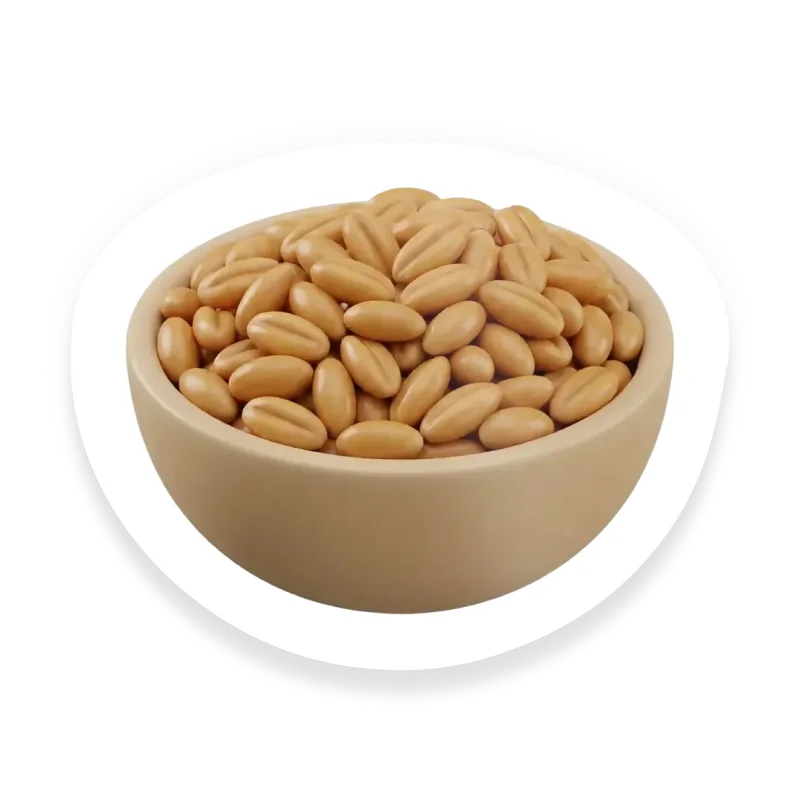
Spelt
Grain
Is Spelt Safe for Babies?
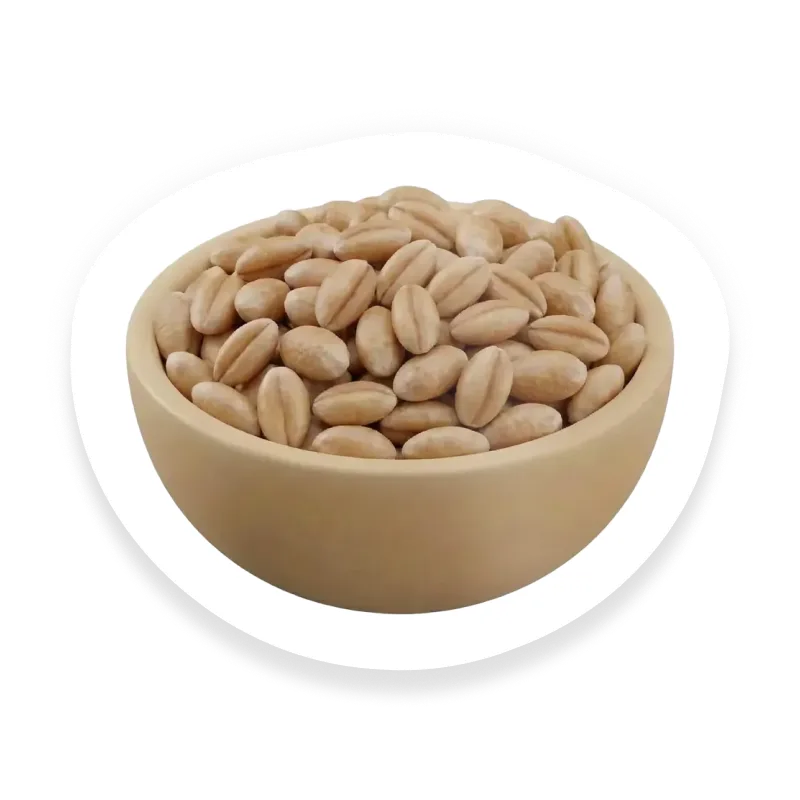
Yes, babies can eat spelt around 6 months when they are ready for solids, prepared as a soft, cooked grain.
Yes, but there are some things to know
At a Glance
Spelt is a whole grain that is high in iron and can help support healthy blood and reduce tiredness. It also provides whole grain fiber and B vitamins, which help the body absorb iron and keep energy steady.
Spelt is a whole grain that's high in fiber, which adds bulk and helps make stools softer and easier to pass. It also contains fermentable fibers that feed beneficial gut bacteria and support bowel regularity.
Spelt is a wheat species that contains gluten proteins, so it can trigger reactions in people with wheat or gluten sensitivities. Whole spelt is rich in fiber and supplies protein, B vitamins and minerals that support digestion and steady energy.
How Do You Serve Spelt?
- 1Use spelt flakes or spelt flour to make a smooth porridge: combine about 1 part spelt flakes (or 1/4 cup spelt flour) with 3–4 parts enriched liquid (buttermilk, coconut milk, or low‑sodium vegetable stock), simmer and stir until very soft, then blend briefly if you need a smoother texture.
- 2Enrich and season lightly: stir in a small knob of butter or ghee and a pinch of cinnamon for flavor, and avoid adding salt or honey.
- 3Cool and test temperature: let the porridge sit until warm (not hot) and check on the inside of your wrist—cool to a safe temperature before serving.
- 4Make easy finger foods: mix well‑cooked, soft spelt with mashed vegetables or finely ground cooked meat, form into small soft balls, fritters, or thick pancake/waffle strips, then cook until set and cut to an easy‑to‑grasp size so the center stays soft.
- 5Safety and serving tips: serve manageable pieces, remove any hard or chewy bits, watch closely for choking, and add a little healthy fat (olive oil or butter) to help swallowing and increase calories.
Is Spelt a Common Allergen?
Spelt is a form of wheat that contains gluten and should be avoided by anyone with celiac disease or non‑celiac gluten sensitivity. It may be listed as spelt, dinkel, or hulled wheat, and people with a wheat allergy may also react. Always check labels for spelt or related wheat ingredients and be cautious of cross‑contamination when feeding children with gluten or wheat allergies.
What Nutrients Does Spelt Have?
Spelt is a nutrient-dense whole grain: it provides energy-rich carbohydrates, fiber and resistant starch to support digestion and bowel regularity, moderate protein, and micronutrients important for babies including iron, zinc, folate and B‑vitamins (B6, niacin), plus magnesium and selenium. These nutrients support growth, immunity, brain development and healthy red blood cells. Because spelt contains gluten and is a form of wheat it’s a common allergen and unsuitable for babies with celiac disease or wheat allergy; very high intake of high‑fiber grains can also reduce appetite for other iron- and protein-rich foods. Offer spelt as part of a varied diet and consider iron‑fortified cereals if additional iron is needed.
Is Spelt a Choking Hazard?
Very Low Choking Risk
Spelt itself isn’t commonly a choking hazard, but individual grains can be aspirated and pose a risk. Stay within arm’s reach and closely supervise meals so you can respond quickly if your baby gags or coughs. If your baby struggles with small pieces or shows breathing difficulty, stop offering the food and contact your pediatrician or a feeding specialist.
Have More Questions?
Yes. You can store cooked spelt in an airtight container in the refrigerator for up to 3 days or freeze cooked spelt for longer storage, up to 1 month.
Yes. Pureed spelt can be made ahead and frozen in portions, making meal prep convenient for busy days.
Yes. Organic spelt is grown without synthetic pesticides or fertilizers, making it a preferred choice for parents seeking organic options for their baby.
Yes. You can combine spelt with other baby foods like fruits, vegetables, or proteins to introduce varied flavors and textures to your baby’s diet.
Start with small portions, about 1-2 tablespoons, and increase gradually based on your baby’s appetite and tolerance, usually up to 3-4 tablespoons per feeding as they grow.
Is Spelt safe for your baby?
Get personalized guidance on introducing Spelt — with prep tips, allergen alerts, and age-specific serving ideas.
Sources
- Oral Allergy Syndrome: An Update for Stomatologists (Kashyap et al., 2015) doi.org
- Food-Dependent, Exercise-Induced Anaphylaxis: Diagnosis and Management in the Outpatient Setting (Feldweg, 2017) doi.org
- Wheat Protein-Induced Enterocolitis Syndrome Complicated With Wheezing (Shinohara et al., 2021) doi.org
- Syndrome d’entérocolite induite par les protéines alimentaires (SEIPA) : une série de 14 enfants (Delahaye et al., 2017) doi.org
- Emerging triggers of food protein-induced enterocolitis syndrome (Blackman et al., 2019) doi.org
- Food protein-induced enterocolitis syndrome: guidelines summary and practice recommendations (Mehr & Campbell, 2019) doi.org
- Understanding Wheat Starch Metabolism... (Kim & Kim, 2021) doi.org
- Diagnosis of gluten related disorders: Celiac disease, wheat allergy and non-celiac gluten sensitivity (Elli et al., 2015) doi.org
What Other Grain Can Babies Eat?
See all →
Backed by Science
Data you can trust.
Every food, guideline, and recommendation in Tummi is sourced from leading health institutions and peer-reviewed research.
 Centers for Disease Control and Prevention
Developmental milestones, nutrition guidelines, and allergen introduction timelines.
 American Academy of Pediatrics
Evidence-based feeding recommendations from the leading pediatric authority.
 National Institutes of Health
Peer-reviewed research on infant nutrition, allergies, and food safety.