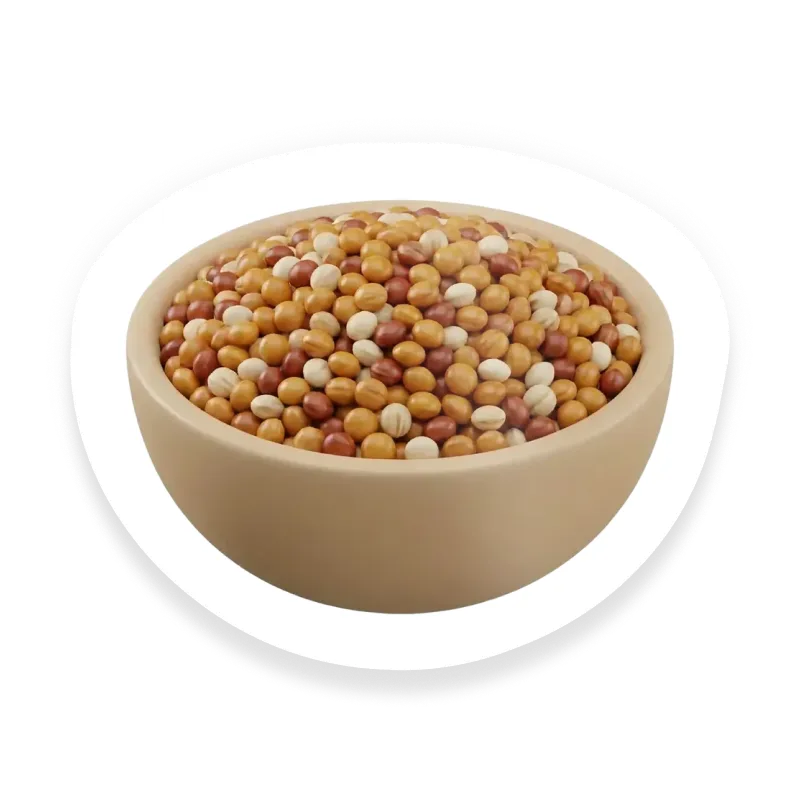
Teff
Grain
Is Teff Safe for Babies?
Yes, babies can eat teff starting at around 6 months, as it's a gluten-free grain suitable for solids introduction.
Yes, but there are some things to know
At a Glance
Teff is high in iron compared with many other grains, so a 100 g serving can supply a large share of daily iron needs. The traditional fermentation used to make injera reduces phytate levels and improves mineral absorption, helping the grain’s iron be better used by the body.
Teff is a whole grain that’s naturally rich in fiber, with both soluble and insoluble fibers plus slowly digested starches that help add gentle bulk to stool. Those fibers act like prebiotics and feed gut bacteria, which supports softer, more regular bowel movements.
How Do You Serve Teff?
- 1Cook teff into a soft, slightly sticky porridge using a familiar liquid (breastmilk, formula, or a milk like coconut) so it binds and holds shape.
- 2Let the porridge cool until lukewarm, then roll tiny, easy-to-grasp balls or place small dollops on a pre-loaded spoon for baby to pick up — pre-load a spoon if you want to practice hand-to-mouth skills.
- 3Use teff flour as a gentle binder in soft fritters, oatmeal balls, or simple baked goods; mix until just combined so the final texture stays soft.
- 4If serving injera, tear a piece and roll or fold it into a short, easy-to-hold stick; roll into a stick and check it’s not too chewy before offering.
Is Teff a Common Allergen?
Teff is a naturally gluten‑free ancient grain and is generally safe for people with celiac disease or gluten sensitivity. However, cross‑contact with wheat, barley or rye can occur during harvesting or processing, so choose certified gluten‑free products if strict avoidance is needed. Teff is not a common source of dairy, egg, nut, peanut, soy, sesame, fish, or shellfish allergens, though rare grain allergies are possible. Check ingredient labels and manufacturer allergen statements for processed teff products and consult your child’s allergist with specific concerns.
What Nutrients Does Teff Have?
Teff is a nutrient-dense, gluten-free grain high in iron, zinc, B vitamins (including folate), calcium, fiber, and quality protein (contains all essential amino acids), plus polyphenols. For babies, these nutrients support iron-dependent growth and brain development, provide protein for muscle and tissue growth, aid bone health (calcium), and promote regular bowel movements; fermenting teff (as in injera) and proper cooking reduce phytates and improve mineral absorption. Excessive intake could increase fiber-related digestive upset or, because of phytates, mildly reduce mineral absorption—serve teff in moderate portions as part of a varied diet and consult your pediatrician for iron or allergy concerns.
Is Teff a Choking Hazard?
Very Low Choking Risk
Teff is not a common choking hazard for babies, but like any food it can pose a risk in rare cases. Always supervise closely and be prepared to respond if your baby shows signs of choking (unable to breathe, cough effectively, or make sounds).
Have More Questions?
Yes. Teff can be stored in an airtight container in a cool, dark place for several months, making it convenient for batch cooking and future servings for your baby.
Yes. Freezing pureed teff in small portions allows for quick, easy meals; just defrost and warm before serving your baby.
It depends. Organic teff is generally preferable for babies to minimize chemical exposure, but conventional teff is also nutritious if sourced from reputable growers.
Yes. You can combine teff with fruits, vegetables, or other grains to introduce a variety of flavors and textures tailored to your baby's developmental stage.
It depends on the portion size and your baby’s age; start with small amounts and consult your pediatrician for personalized feeding guidelines.
Is Teff safe for your baby?
Get personalized guidance on introducing Teff — with prep tips, allergen alerts, and age-specific serving ideas.
Sources
- Gluten-Free Alternative Grains: Nutritional Evaluation and Bioactive Compounds doi.org
- Teff (Eragrostis tef) as a raw material for malting, brewing and manufacturing of gluten-free foods and beverages: a review doi.org
- Antioxidant potentials and phenolic composition of tef varieties: An indigenous Ethiopian cereal doi.org
- Role of Polyphenols and Other Phytochemicals on Molecular Signaling doi.org
- Teff Type-I Sourdough to Produce Gluten-Free Muffin doi.org
- Effect of household cooking methods on nutritional and anti nutritional factors in green cowpea (Vigna unguiculata) pods doi.org
- Phytic acid, in vitro protein digestibility, dietary fiber, and minerals of pulses as influenced by processing methods doi.org
- A case of allergy to Silybum marianum (milk thistle) and Eragrostis tef (teff) doi.org
- Beneficial Effects of Dietary Polyphenols on Gut Microbiota and Strategies to Improve Delivery Efficiency doi.org
- Alterations in the Intestinal Morphology, Gut Microbiota, and Trace Mineral Status Following Intra-Amniotic Administration (Gallus gallus) of Teff (Eragrostis tef) Seed Extracts doi.org
What Other Grain Can Babies Eat?
See all →

Backed by Science
Data you can trust.
Every food, guideline, and recommendation in Tummi is sourced from leading health institutions and peer-reviewed research.
 Centers for Disease Control and Prevention
Developmental milestones, nutrition guidelines, and allergen introduction timelines.
 American Academy of Pediatrics
Evidence-based feeding recommendations from the leading pediatric authority.
 National Institutes of Health
Peer-reviewed research on infant nutrition, allergies, and food safety.