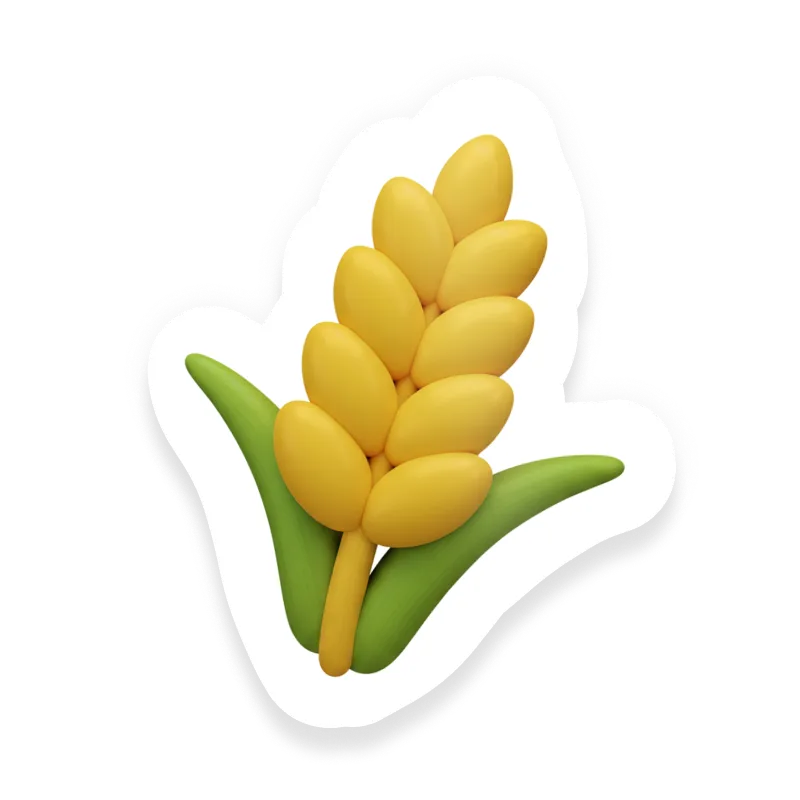
Wheat
Grain
Is Wheat Safe for Babies?
Yes, wheat can be introduced around 6 months of age when your baby starts solids, ensuring it is cooked and offered in a safe, age-appropriate form.
Yes, but there are some things to know
At a Glance
Wheat gives iron the body needs to make healthy red blood cells, from its natural iron content and from enriched flour products. It also supplies B vitamins and fiber that help provide energy and support overall nutrition.
Whole wheat provides nutrients and is rich in fiber, with B vitamins and minerals that help digestion and steady energy. Some people have immune reactions to wheat because it contains gluten proteins that can trigger allergic responses.
How Do You Serve Wheat?
- 1Make a smooth, spoonable porridge using milled wheat (cream of wheat, farina) or very well‑cooked whole wheat berries.
- 2Cook the grains until completely soft so they mash easily. Thin with breastmilk or formula (or a fruit/vegetable puree) to reach a smooth, easy-to-scoop consistency.
- 3Offer very small tastes to start and wait between feedings while watching closely for any signs of an allergic reaction or intolerance.
- 4Keep flavorings simple — mashed fruit, a pinch of mild cinnamon, or a little vanilla are fine; avoid honey and strong spices.
Is Wheat a Common Allergen?
Wheat contains gluten and is a common allergen; it can cause wheat allergy or trigger celiac disease in sensitive children. This item is not flagged for nuts, peanuts, dairy, soy, shellfish, fish, or sesame, but many wheat-containing foods (especially baked goods) may also include eggs or milk—always read labels. Be mindful of cross-contamination in shared kitchens and avoid wheat/gluten if your child has wheat allergy or celiac disease. When unsure, consult your pediatrician or an allergist before introducing.
What Nutrients Does Wheat Have?
Wheat is a good source of energy (carbohydrates), plant protein, and fiber and provides important micronutrients for babies—notably iron (non-heme), B vitamins (eg, thiamin, niacin, folate), zinc, magnesium and selenium. These nutrients support growth, brain development and red blood-cell production; pair wheat with vitamin C–rich foods to improve non‑heme iron absorption. Avoid letting wheat-heavy, processed foods (refined flours with added sugar/salt) dominate the diet, and be mindful that high fiber and phytates can reduce mineral absorption or overly fill a small stomach. Serve age‑appropriate textures and offer a variety of other iron-rich foods alongside wheat.
Is Wheat a Choking Hazard?
Very Low Choking Risk
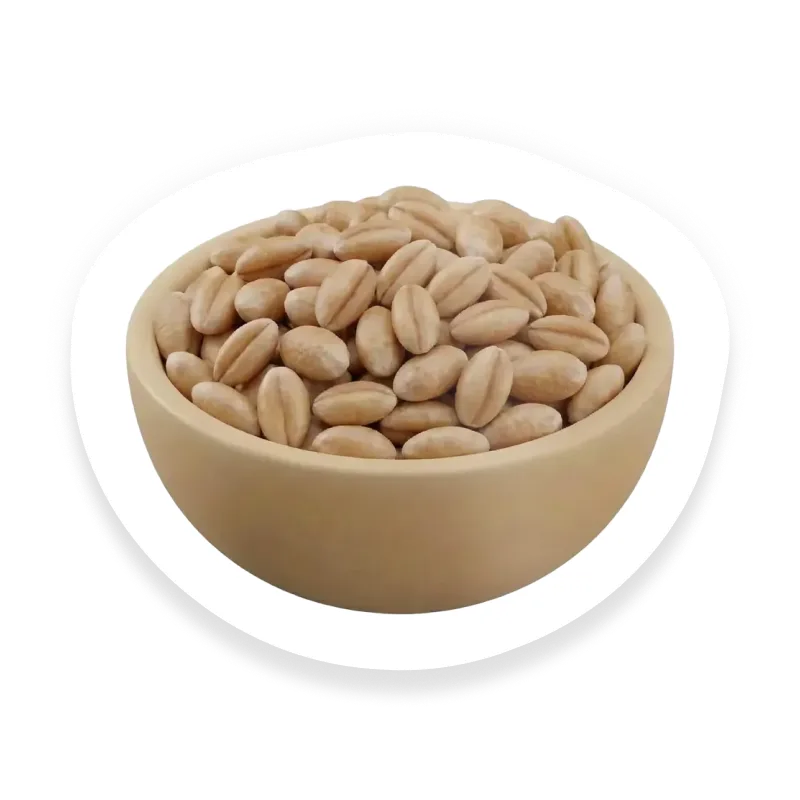
Cooked wheat berries are generally low risk for choking when they’re soft and matched to your baby’s chewing skills, but loose, individual grains can scatter in the mouth and provoke gagging or coughing. Stay within arm’s reach and watch closely while baby eats; if they struggle, help the grains stick together (for example, mash lightly or mix with a sauce) so they’re easier to manage. If coughing or breathing concerns persist, seek medical attention right away.
Have More Questions?
Yes. Babies can have wheat once they are ready to start solids, usually around 6 months old, but consult your pediatrician if they have a wheat allergy or celiac disease.
Yes. Wheat is nutritious, providing carbohydrates, fiber, and protein, especially when served as whole wheat products like wheat berries or whole wheat flour.
Yes. Wheat is a common allergen, but most children outgrow wheat allergies by age 12. Always introduce gradually and watch for allergic reactions.
No. Cooked wheat berries are safe for babies when prepared appropriately, but products like bread may pose choking risks depending on texture and age.
Yes. Unless a baby has celiac disease, wheat (which contains gluten) is safe for consumption. Always confirm with your healthcare provider first.
Is Wheat safe for your baby?
Get personalized guidance on introducing Wheat — with prep tips, allergen alerts, and age-specific serving ideas.
Sources
- Bioactive phytochemicals in wheat (Luthria et al., 2015) doi.org
- Health benefits of whole grain phytochemicals (Okarter & Liu, 2010) doi.org
- Wheat Allergy (Food Allergy Research & Education) foodallergy.org
- Wheat Allergy (American College of Allergy, Asthma & Immunology) acaai.org
- Food-Dependent, Exercise-Induced Anaphylaxis (Feldweg, 2017) doi.org
- Oral Allergy Syndrome: An Update for Stomatologists (Kashyap & Kashyap, 2015) doi.org
- What is Celiac Disease? (Celiac Disease Foundation) celiac.org
- Celiac Disease FAQ (Massachusetts General Hospital) massgeneral.org
- Diagnosis of gluten related disorders (Elli et al., 2015) doi.org
What Other Grain Can Babies Eat?
See all →
Backed by Science
Data you can trust.
Every food, guideline, and recommendation in Tummi is sourced from leading health institutions and peer-reviewed research.
 Centers for Disease Control and Prevention
Developmental milestones, nutrition guidelines, and allergen introduction timelines.
 American Academy of Pediatrics
Evidence-based feeding recommendations from the leading pediatric authority.
 National Institutes of Health
Peer-reviewed research on infant nutrition, allergies, and food safety.