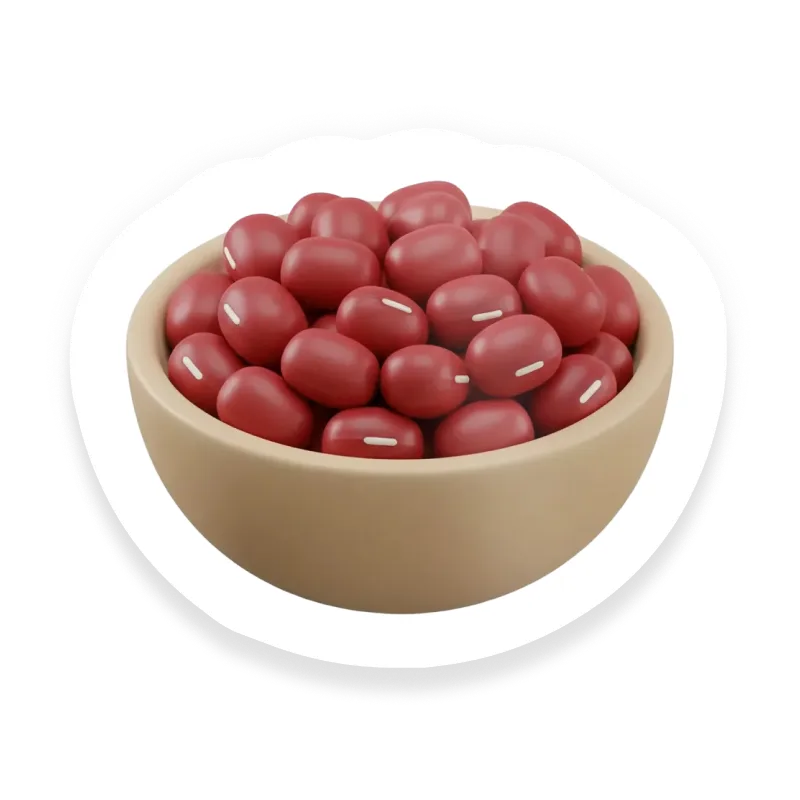
Adzuki Bean
Legume
Is Adzuki Bean Safe for Babies?
Yes, adzuki beans can be introduced around 6 months when cooked and mashed to prevent choking.
Yes, but there are some things to know
At a Glance
Adzuki beans are a good iron source, with about 4.6 mg of iron per cooked cup, which helps the body make healthy red blood cells. They also provide protein and folate, nutrients that help make new blood cells and support overall health.
Adzuki beans are high in fiber and have notable resistant starch content, which add bulk and help keep bowel movements regular. They also contain soluble fiber and minerals that support gut bacteria, aiding digestion.
How Do You Serve Adzuki Bean?
- 1Rinse and soak dried adzuki beans overnight, then simmer until very soft (about 45–60 minutes); reserve a little cooking liquid.
- 2Blend the cooked beans to a smooth, scoopable paste, adding reserved cooking liquid, breast milk, or formula a tablespoon at a time until spoonable.
- 3Offer small tastes — place a tiny spoonful on a preloaded spoon or spread a thin layer on a rice cake or toast; you can also stir the paste into congee, mashed vegetables, yogurt, or dal to mix textures.
- 4Start with 1–2 teaspoons and wait 2–3 days after introduction to watch for any reactions. Increase gradually as the baby tolerates it.
- 5Keep it plain (no added sugar or salt) and make the paste very smooth to reduce choking risk.
Is Adzuki Bean a Common Allergen?
Adzuki beans are legumes and true allergies are uncommon but have been reported in case reports. Cross-reactivity between legumes (peanut, soy, other beans) varies, so having a peanut or soy allergy does not automatically mean a reaction to adzuki beans. If a child has a known peanut/soy/legume allergy, consult their allergy specialist before introducing adzuki beans and introduce them cautiously under supervision. Seek immediate medical care for any signs of a severe reaction (hives, swelling, vomiting, difficulty breathing) and carry prescribed epinephrine if advised.
What Nutrients Does Adzuki Bean Have?
Nutrient Snapshot: Adzuki beans are nutrient-dense for babies—rich in iron, plant protein, fiber, potassium, zinc, folate, and vitamin B6—supporting blood/iron status, growth, immune function, neurodevelopment, and a healthy gut. Pair with vitamin C–rich foods to boost iron absorption. Cook and/or soak to reduce lectins and gas-producing oligosaccharides; canned beans are acceptable but check for added sugar or salt. Serve in moderation (small starting portions) since high fiber or large servings can cause gas or digestive discomfort; overall toxicity is unlikely from typical servings.
Is Adzuki Bean a Choking Hazard?
Elevated Choking Risk
Adzuki beans are small, rounded, and can be firm, which increases their choking risk for infants. Be vigilant at every bite—stay within arm’s reach, minimize distractions during meals, and watch closely for signs of gagging or distress. If you have concerns about textures or safety, consult your pediatrician and consider learning infant CPR so you’re prepared for emergencies.
Have More Questions?
Yes. Adzuki beans can be introduced to babies around 6 months old when they are ready for solids, but always ensure they are cooked and mashed appropriately.
Yes. Adzuki beans are nutritious, providing essential nutrients that support overall baby development, including supporting gut health, immune function, and growth.
No. Adzuki beans are not a common allergen, though some children allergic to other legumes might react. Always start with small amounts and monitor for reactions.
Yes. Due to their small size and firm texture when undercooked, adzuki beans can pose a choking risk to babies. Proper cooking and mashed serving are recommended.
Yes. Canned adzuki beans are safe for babies, but check for added sugars. Serve plain beans to ensure they are free from additives and prepared appropriately.
Is Adzuki Bean safe for your baby?
Get personalized guidance on introducing Adzuki Bean — with prep tips, allergen alerts, and age-specific serving ideas.
Sources
- Azuki bean allergy in a Japanese child: A case report doi.org
- Managing Cross-Reactivity in Those with Peanut Allergy doi.org
- Cross-reactivity of peanut allergens doi.org
- Oral Allergy Syndrome: An Update for Stomatologists doi.org
- Oral allergy syndrome (NHS) nhs.uk
- Effect of household cooking methods on nutritional and anti nutritional factors in green cowpea pods doi.org
- Phytic acid, in vitro protein digestibility, dietary fiber, and minerals of pulses as influenced by processing methods doi.org
- Renal lithiasis and nutrition doi.org
- Are Anti-Nutrients Harmful? (Harvard T.H. Chan School of Public Health) hsph.harvard.edu
- Soaking the common bean reduced contents of raffinose-type oligosaccharides doi.org
- Impact of preparation and cooking on nutritional quality of vegetables and legumes doi.org
- Nutritional Composition and Bioactive Content of Legumes (Nutrients) doi.org
What Other Legume Can Babies Eat?
See all →

Backed by Science
Data you can trust.
Every food, guideline, and recommendation in Tummi is sourced from leading health institutions and peer-reviewed research.
 Centers for Disease Control and Prevention
Developmental milestones, nutrition guidelines, and allergen introduction timelines.
 American Academy of Pediatrics
Evidence-based feeding recommendations from the leading pediatric authority.
 National Institutes of Health
Peer-reviewed research on infant nutrition, allergies, and food safety.