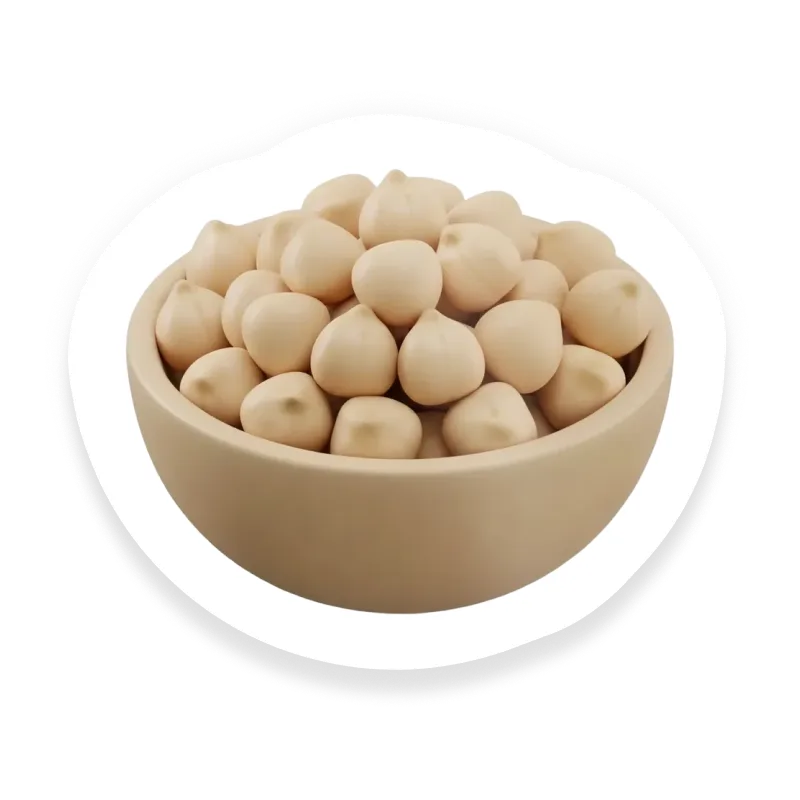
Chickpea
Legume
Is Chickpea Safe for Babies?
Yes, chickpeas can be introduced as early as 6 months, but whole chickpeas pose a choking hazard; serve them mashed or in small, manageable pieces.
Yes, but there are some things to know
At a Glance
Cooked chickpeas are an excellent iron source and a single cup gives roughly 4–5 mg of iron, along with protein and folate that help the body make healthy blood. Eating them with a vitamin C food (like orange or bell pepper) boosts iron absorption so your child can use that iron more easily.
Chickpeas support regular digestion because they are high in fiber, including resistant starch and oligosaccharides that add bulk to stool. They also feed gut bacteria, and provide plant protein and minerals that help overall digestive health.
How Do You Serve Chickpea?
- 1Soak dried chickpeas overnight, then simmer until very soft (about 1–1.5 hours); or use well-rinsed canned chickpeas and heat briefly.
- 2Mash with a fork or blend to a smooth or slightly textured puree, and thin with cooking liquid, breastmilk, formula, or water to a scoopable consistency.
- 3Remove loose skins if they cause gagging, and always check the temperature before serving.
- 4Offer small spoonfuls while closely supervising; only give hummus if you’re sure sesame is safe and avoid large lumps that could be choking hazards.
Is Chickpea a Common Allergen?
Chickpeas are legumes and can cause true allergic reactions (from oral allergy syndrome to anaphylaxis) though this is less common than peanut allergy. Children with peanut or soy allergies have a higher risk of reacting to chickpeas due to legume cross-reactivity, so consult an allergist before introducing them if there’s a known legume allergy. Check labels (chickpea flour, hummus) for cross‑contact with peanuts/tree nuts and avoid if your child has prior legume reactions; seek immediate care for hives, swelling, breathing trouble, or vomiting after exposure.
What Nutrients Does Chickpea Have?
Chickpeas are nutrient-dense for babies—providing plant-based protein, fiber, iron, folate, vitamin B6, choline, zinc and magnesium—which support growth, brain development, and healthy digestion. Their iron and folate are particularly helpful for infants; serve chickpeas alongside vitamin C–rich foods to enhance plant-iron absorption. Because chickpeas are high in fiber and protein, large portions can cause gas or reduce appetite for other foods, so offer them in moderation as part of a varied diet. Prepare age-appropriately (mashed/puréed for younger infants) and watch for allergy or digestive reactions.
Is Chickpea a Choking Hazard?
Elevated Choking Risk
Whole chickpeas are a notable choking hazard—small, round, and potentially firm if undercooked, so they can easily block a baby’s airway. The thin skins may cause gagging even when chickpeas are soft, so watch for coughing, gagging, or mouth-stuffing as clues your child isn’t ready for them whole. Always supervise meals within arm’s reach and be prepared to respond if your baby coughs, gags, or shows signs of breathing difficulty.
Have More Questions?
Yes. Chickpeas may be introduced when your baby is ready for solids, around 6 months, but ensure they are prepared in an age-appropriate and safe manner.
Yes. Chickpeas are highly nutritious, providing essential nutrients like protein, fiber, and iron that support your baby's growth and development.
While not a common allergen in the U.S., chickpeas can trigger reactions in some individuals and allergies can increase with other legumes; start with small amounts and monitor.
Yes. Whole chickpeas pose a choking risk for babies; always serve them mashed, pureed, or in an age-appropriate texture to reduce this hazard.
Yes. Canned or cooked dried chickpeas are safe for babies as long as they are soft, pureed, or mashed to prevent choking.
Is Chickpea safe for your baby?
Get personalized guidance on introducing Chickpea — with prep tips, allergen alerts, and age-specific serving ideas.
Sources
- In vitro and in vivo cross-reactivity studies of legume allergy in a Mediterranean population (Martínez San Ireneo et al., 2008) doi.org
- Chickpea: a major food allergen in the Indian subcontinent (Patil et al., 2001) doi.org
- Food-dependent exercise-induced anaphylaxis related to chickpea ingestion (Wong & Mace, 2007) doi.org
- Managing Cross-Reactivity in Those with Peanut Allergy (Chan et al., 2019) doi.org
- Clinical Relevance of Cross-Reactivity in Food Allergy (Cox et al., 2021) doi.org
- Oral Allergy Syndrome: An Update for Stomatologists (Kashyap & Kashyap, 2015) doi.org
- Bioactive constituents in pulses and their health benefits (Singh et al., 2017) doi.org
- Soaking the common bean reduced raffinose-type oligosaccharides (Queiroz et al., 2002) doi.org
- Renal lithiasis and nutrition (Grases et al., 2006) doi.org
- Phytic acid and nutrient effects of processing pulses (Chitra et al., 1996) doi.org
What Other Legume Can Babies Eat?
See all →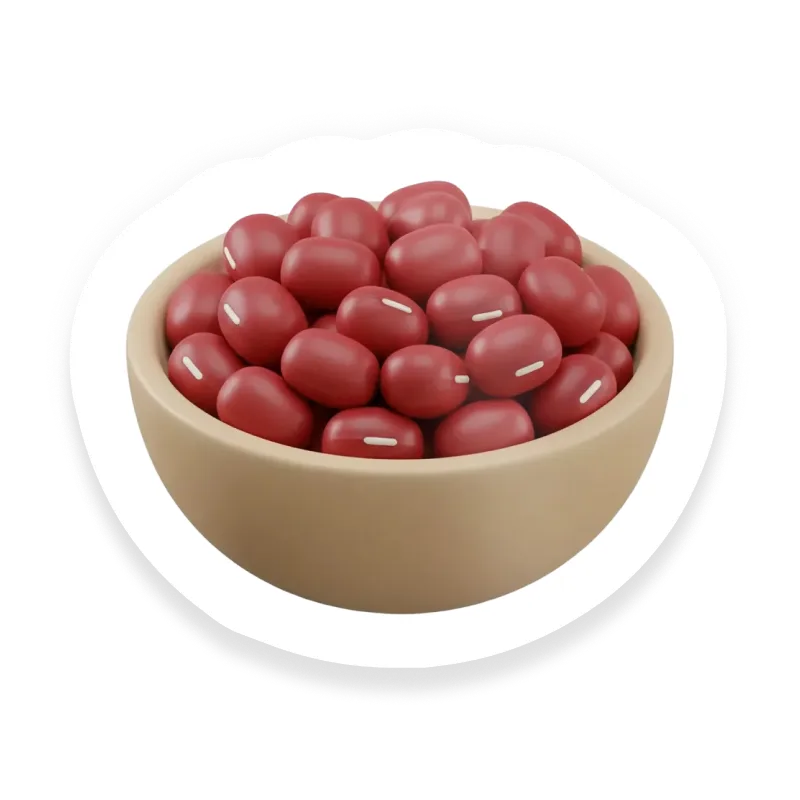
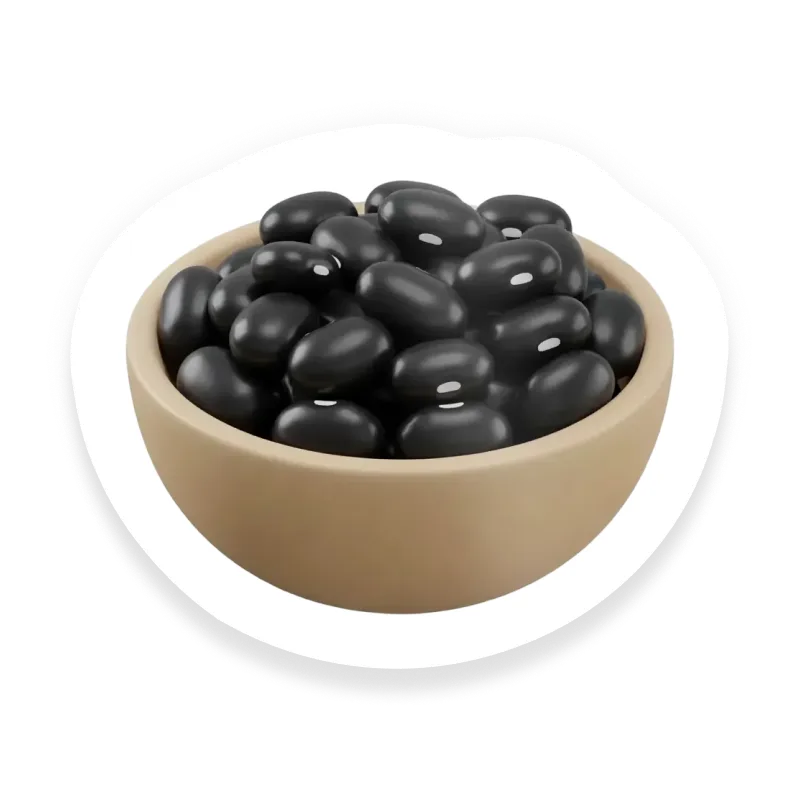
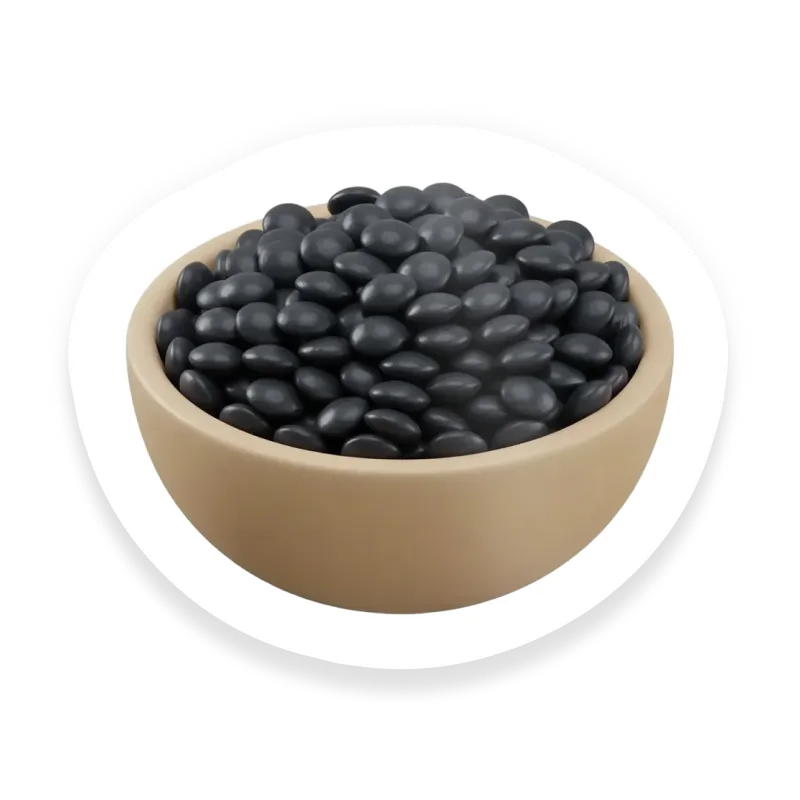
Backed by Science
Data you can trust.
Every food, guideline, and recommendation in Tummi is sourced from leading health institutions and peer-reviewed research.
 Centers for Disease Control and Prevention
Developmental milestones, nutrition guidelines, and allergen introduction timelines.
 American Academy of Pediatrics
Evidence-based feeding recommendations from the leading pediatric authority.
 National Institutes of Health
Peer-reviewed research on infant nutrition, allergies, and food safety.