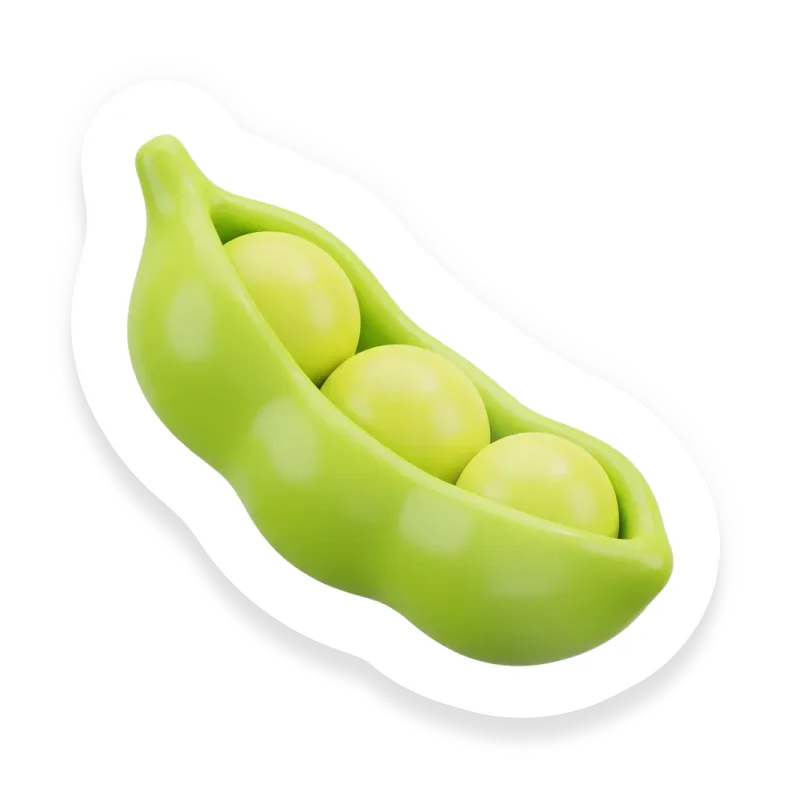
Fava Bean (Broad Bean)
Legume
Is Fava Bean (Broad Bean) Safe for Babies?
Yes, fava beans can be introduced around 6 months, but consult a doctor if there's a family history of G6PD deficiency or related descent, due to hemolytic anemia risks.
Yes, but there are some things to know
At a Glance
Fava beans are rich in iron, with a cooked cup providing about 2.6 mg to help support healthy blood and steady energy. They also supply plant based protein and folate, which help make red blood cells and support growth.
Fava beans are rich in fiber and resistant starch, which help move stool through the digestive tract. They also supply prebiotic carbs and minerals like magnesium that feed gut bacteria and support healthy gut muscle activity.
How Do You Serve Fava Bean (Broad Bean)?
- 1Cook until very soft: simmer shelled fava beans in boiling water or steam for 10–20 minutes until easily pierced with a fork, then drain and cool.
- 2For scooping, mash the cooked beans lightly to leave small soft lumps; for finger foods, split or gently flatten whole beans so they hold together but are easy to gum.
- 3Serve small portions on a suction bowl or shallow plate and offer a few pieces at a time; always have the child sitting upright and supervise closely.
- 4If there's a family history of G6PD deficiency or the child’s ancestry includes African, Mediterranean, South Asian, or Southwest Asian regions, check with the child's medical provider before introducing fava beans.
Is Fava Bean (Broad Bean) a Common Allergen?
Fava (broad) beans are not a common IgE food allergen for most children, but they are legumes and can cause allergic reactions in people with legume allergies. Critically, fava beans contain compounds (vicine/convicine) that can trigger severe hemolysis (“favism”) in people with G6PD deficiency—infants and affected children (and breastfeeding infants if the mother eats them) should avoid exposure. If your child has a known G6PD deficiency or a legume allergy, avoid fava beans and discuss introduction with your pediatrician or an allergy specialist.
What Nutrients Does Fava Bean (Broad Bean) Have?
Fava beans are a nutrient-dense first food: they provide plant-based protein, substantial fiber, folate (important for brain and neural development), iron (non-heme), zinc, and complex carbohydrates—nutrients that support growth, blood and immune health. For babies, folate and iron are particularly beneficial, though the iron is non-heme (plant) and is better absorbed when served with vitamin C. Don’t introduce large amounts at once—too much fiber can cause fullness or gas—and if baby or family has a history of G6PD deficiency (or is of high-risk ancestry), avoid fava beans until you consult a medical provider because compounds in fava beans can trigger hemolytic anemia.
Is Fava Bean (Broad Bean) a Choking Hazard?
Elevated Choking Risk
Fava beans are small, rounded, and can be quite firm, which makes them a notable choking hazard for young children. Because of their size and texture, stay within arm’s reach and closely supervise any time your baby is eating them, watching for signs of gagging or airway obstruction. If your child has trouble chewing or you’re concerned about safety, consult your pediatrician.
Have More Questions?
Yes. Fava beans can be introduced to babies around 6 months of age when they are ready for solids, but consult your pediatrician if there is a family history of G6PD deficiency.
Yes. Fava beans are nutritious, providing plant-based protein, fiber, folate, and zinc, which support overall development and immune health in babies.
No. Allergies to fava beans are rare, but the risk of favism in some populations means you should discuss family history with your doctor before introducing.
Yes. Fava beans are small and firm, which can pose a choking risk. Serve them in mashed or pureed form suitable for your baby's age and always supervise eating.
It depends. You don't have to start with purees; babies can eat mashed or small pieces of soft foods that they can self-feed, depending on their developmental stage.
Is Fava Bean (Broad Bean) safe for your baby?
Get personalized guidance on introducing Fava Bean (Broad Bean) — with prep tips, allergen alerts, and age-specific serving ideas.
Sources
- Johns Hopkins Medicine — G6PD (Glucose-6-Phosphate Dehydrogenase) Deficiency hopkinsmedicine.org
- National Organization for Rare Disorders — Glucose-6-Phosphate Dehydrogenase Deficiency rarediseases.org
- Drugs and Lactation Database (LactMed) — NCBI Bookshelf ncbi.nlm.nih.gov
- Balashova et al., 2018 — Folate action in nervous system development and disease (Developmental Neurobiology) pmc.ncbi.nlm.nih.gov
- Mur Gimeno et al., 2007 — Allergic reaction caused by a new hidden food, broad bean flour (Allergy) pubmed.ncbi.nlm.nih.gov
- Kumar et al., 2014 — Hypersensitivity linked to exposure of broad bean protein(s) in allergic patients and BALB/c mice (Nutrition) pubmed.ncbi.nlm.nih.gov
- Lee et al., 2017 — What G6PD-deficient individuals should really avoid (British Journal of Clinical Pharmacology) pmc.ncbi.nlm.nih.gov
- U.S. National Library of Medicine — Glucose-6-phosphate dehydrogenase deficiency (MedlinePlus Genetics) medlineplus.gov
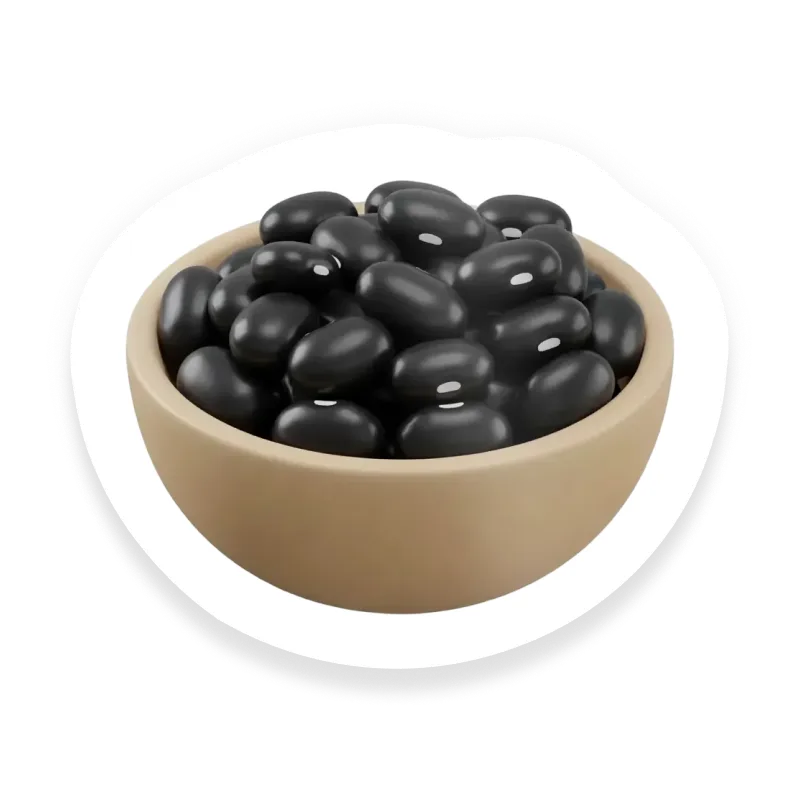
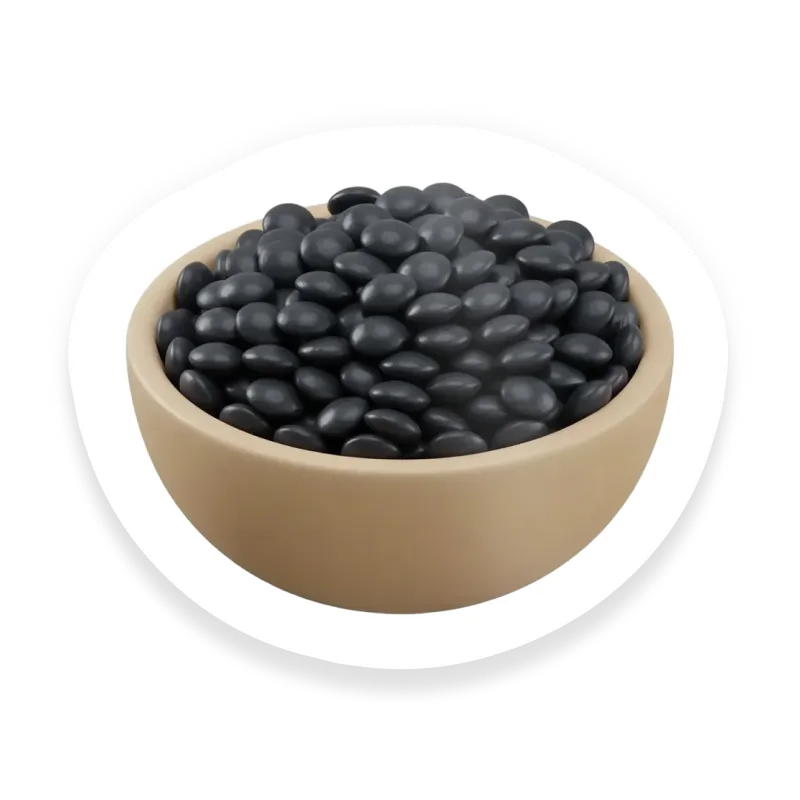
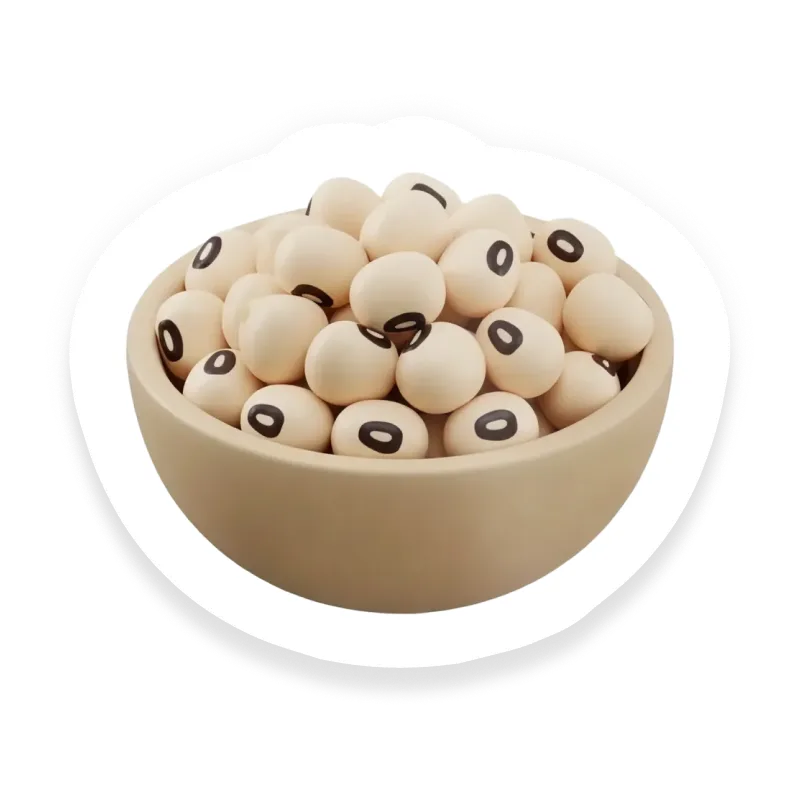
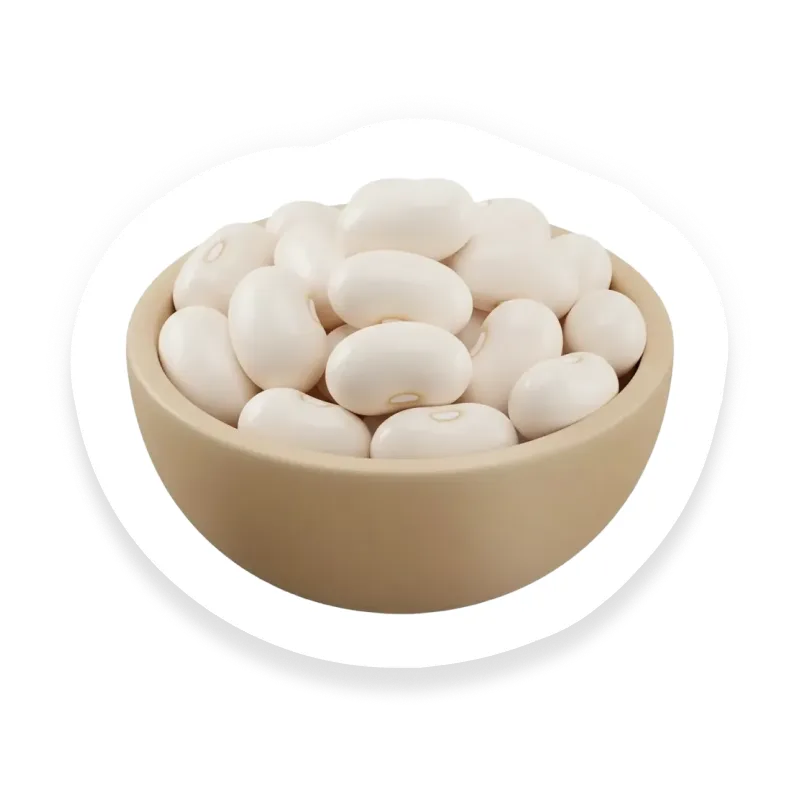
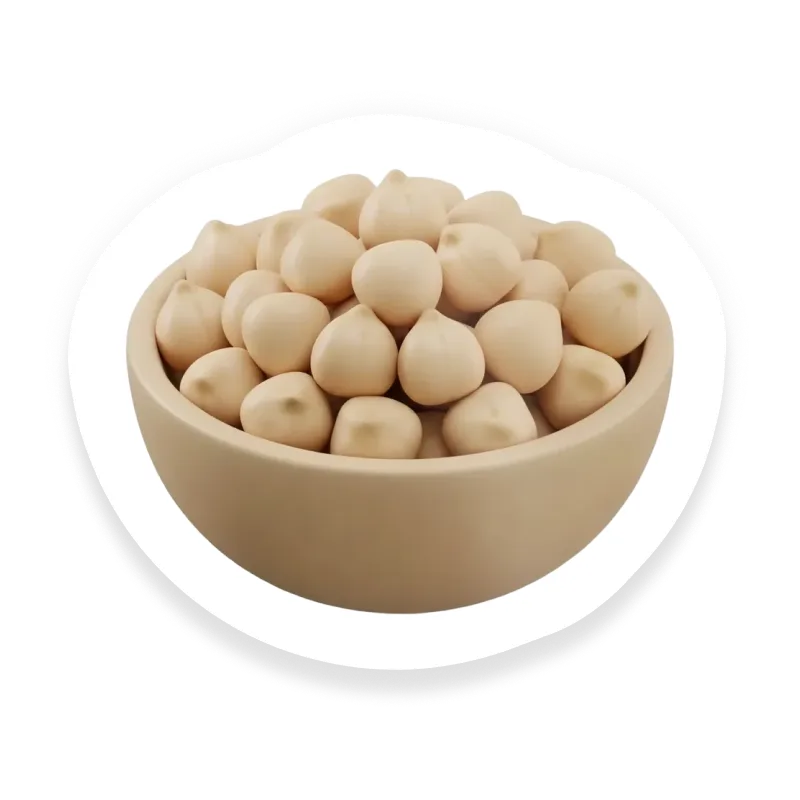
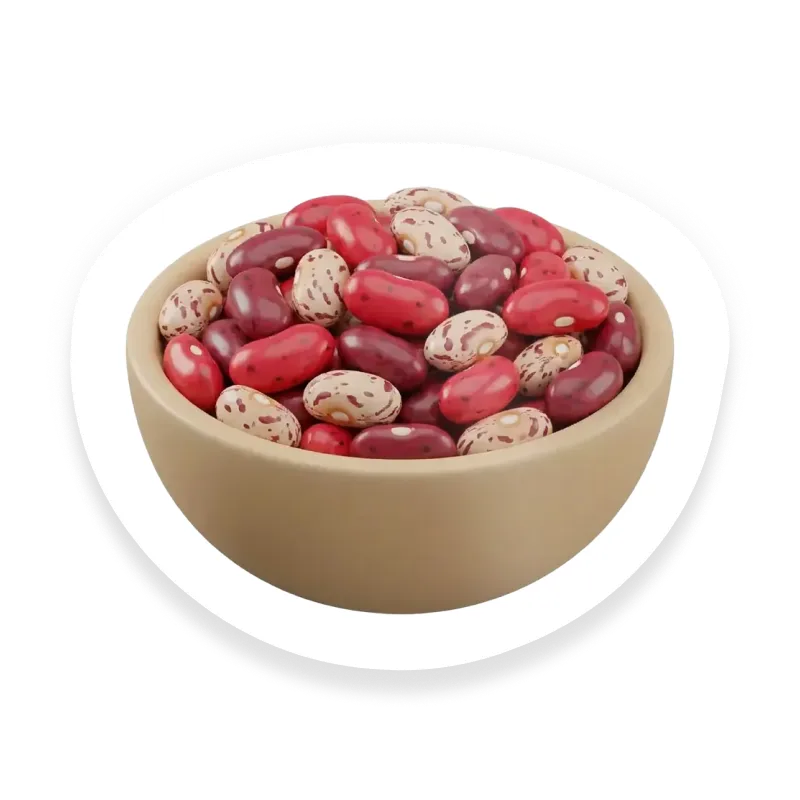
What Other Legume Can Babies Eat?
See all →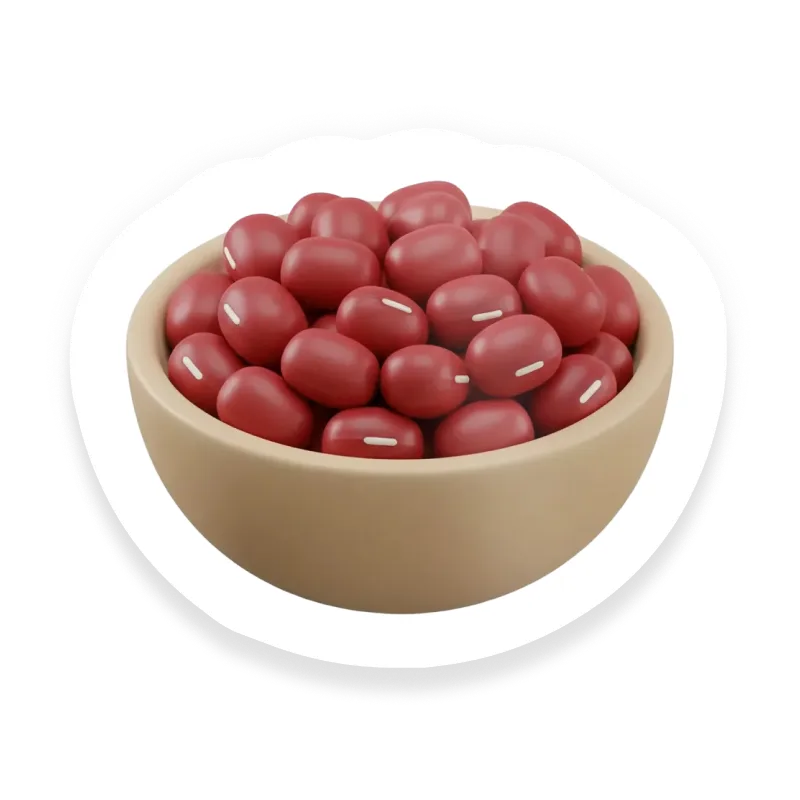
Backed by Science
Data you can trust.
Every food, guideline, and recommendation in Tummi is sourced from leading health institutions and peer-reviewed research.
 Centers for Disease Control and Prevention
Developmental milestones, nutrition guidelines, and allergen introduction timelines.
 American Academy of Pediatrics
Evidence-based feeding recommendations from the leading pediatric authority.
 National Institutes of Health
Peer-reviewed research on infant nutrition, allergies, and food safety.