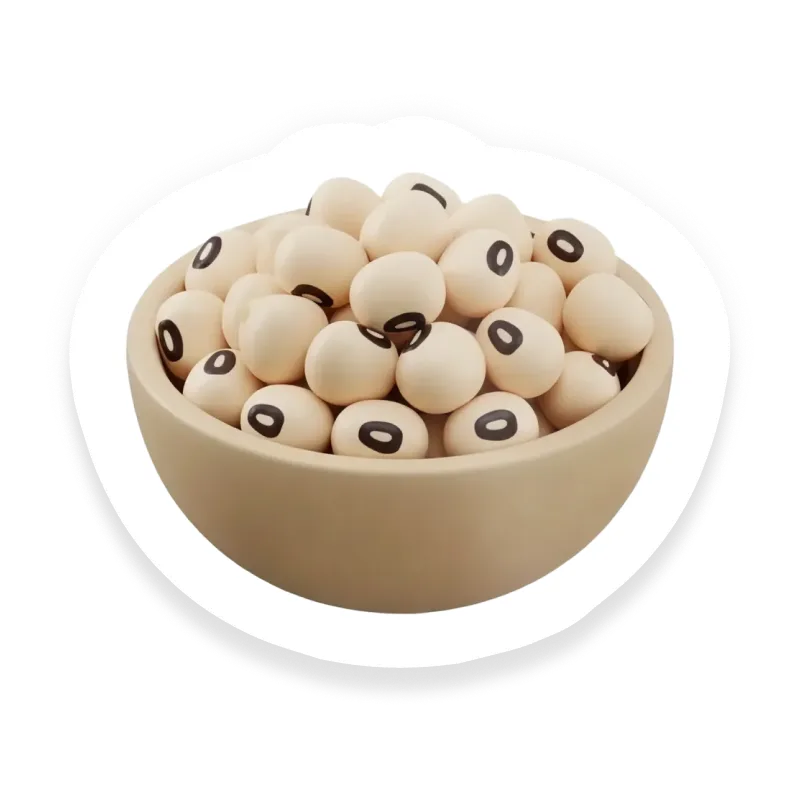
Black-Eyed Peas
Legume
Is Black-Eyed Peas Safe for Babies?
Yes, black-eyed peas can be introduced around 6 months when baby is ready to start solids, prepared in an age-appropriate, soft-cooked form.
Yes, but there are some things to know
At a Glance
Black-eyed peas are a plant food rich in iron and folate, giving a solid dose of nutrients per cooked cup. The iron and folate they contain help make blood and support healthy energy.
Black-eyed peas are high in fiber, which adds bulk and helps soften stool so it moves more easily. They also contain fermentable carbs that feed gut bacteria and minerals like magnesium that support regular bowel function.
How Do You Serve Black-Eyed Peas?
- 1Cook until very soft—peas should be very soft and easily mashable; simmer 45–60 minutes or pressure-cook 10–15 minutes, then drain and reserve some cooking liquid.
- 2Mash or puree to the texture your baby handles best—use a blender, food mill, or fork to make a smooth paste or leave a slight texture for self-feeding.
- 3Thin with breastmilk, formula, reserved cooking liquid, olive oil, or plain yogurt until spoonable; do not add salt or sugar.
- 4Start with small portions (about 1–2 teaspoons) and offer slowly. Introduce gradually over several days and watch for any tummy or stool changes.
Is Black-Eyed Peas a Common Allergen?
Black‑eyed peas are legumes and are not among the common top 9 allergens for most people. However, people with known peanut, pea or soy (legume) allergies can sometimes react to other legumes — cross‑reactivity is possible though uncommon. If your child has a history of peanut/soy/legume allergy, avoid black‑eyed peas unless cleared by an allergist; always read labels for added ingredients or cross‑contact warnings.
What Nutrients Does Black-Eyed Peas Have?
Black‑eyed peas are nutrient‑dense for babies: a cooked cup provides notable iron (plant/non‑heme), protein, fiber, and high folate, plus potassium, zinc, calcium, selenium, vitamin K and B vitamins. These nutrients support red‑blood‑cell and brain development (iron, folate), growth and tissue repair (protein), and healthy stools/gut diversity (fiber); serving with vitamin C‑rich foods (e.g., tomatoes, bell peppers) helps boost iron absorption. Introduce in small portions and increase gradually—too much can cause gas or loose stools from the high fiber, and phytates in legumes can modestly reduce mineral absorption (proper soaking/cooking and dietary variety help mitigate this).
Is Black-Eyed Peas a Choking Hazard?
Very Low Choking Risk
Black‑eyed peas can pose a choking risk because they’re small, rounded, and can be firm, especially if undercooked. Stay within arm’s reach and watch closely for signs of gagging or choking—knowing infant choking first aid is important. If you’re ever unsure or notice concerning breathing or coughing, seek emergency help right away.
Have More Questions?
Yes. Black-eyed peas can be stored in an airtight container in the refrigerator for up to 3-5 days or frozen for longer storage, making them convenient for meal prep.
Yes. You can freeze pureed black-eyed peas in small portions for up to 3 months, which is helpful for planning and reducing waste.
Yes. Organic black-eyed peas are grown without synthetic pesticides or fertilizers and are a good choice if you're seeking organic options for your baby.
It depends. Black-eyed peas can be combined with various fruits and vegetables to introduce your baby to new flavors and nutrients, but should be cooked and pureed appropriately for their age.
The appropriate portion size depends on your baby's age and appetite. Start with small servings, around 1-2 tablespoons, and increase as tolerated.
Is Black-Eyed Peas safe for your baby?
Get personalized guidance on introducing Black-Eyed Peas — with prep tips, allergen alerts, and age-specific serving ideas.
Sources
What Other Legume Can Babies Eat?
See all →
Backed by Science
Data you can trust.
Every food, guideline, and recommendation in Tummi is sourced from leading health institutions and peer-reviewed research.
 Centers for Disease Control and Prevention
Developmental milestones, nutrition guidelines, and allergen introduction timelines.
 American Academy of Pediatrics
Evidence-based feeding recommendations from the leading pediatric authority.
 National Institutes of Health
Peer-reviewed research on infant nutrition, allergies, and food safety.